

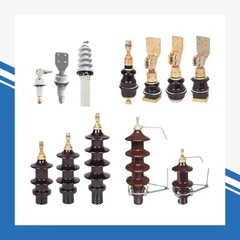



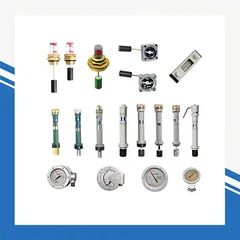





The basic structure of the transformer consists of the body, oil tank, cooling device, protection device, outlet device and transformer oil. The device body includes the iron core, windings, insulation, leads and tap-changers; the fuel tank includes the fuel tank body and accessories; the protection devices include oil pillows, oil meters, safety airways, respirators, temperature measuring components, oil purifier relays, etc.; Outlet devices include high, medium and low voltage porcelain bushings, etc.
The oil pillow is installed on the upper part of the transformer oil tank and is connected to the transformer oil tank through pipes. Its function is to: accommodate the transformer oil that expands due to the increase in temperature of the transformer; limit the contact surface between the oil and the air, and reduce the degree of moisture and oxidation of the oil; operate Injecting oil through it can prevent air bubbles from entering the transformer. Oil pillows are generally divided into two forms: capsule oil pillows and diaphragm oil pillows, which have the same function. The main function of the capsule or diaphragm is to isolate oil from air. The gas in the oil pillow capsule is exchanged with the outside world through the respirator.
2. Structure and function of respirator
(1) Structure and function of respirator
The respirator is also called a moisture absorber. It is filled with an adsorbent inside. The adsorbent is often made of color-changing silica gel. Its function is to absorb moisture in the air and reduce moisture and oxidation of the transformer oil. The gas relay is installed on the connecting pipe between the fuel tank and the oil pillow, so that the gas generated in the fuel tank must pass through the gas relay before it can flow to the oil pillow.
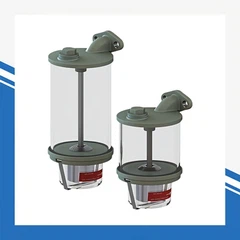
The respirator (as shown in the picture) is installed at the end of the pipe connecting the oil pillow and the air. A common transformer respirator mainly consists of an iron pipe, a glass container and an oil cup. The glass container is filled with desiccant (such as silica gel), and the oil cup is filled with a certain amount of insulating oil. When the air in the transformer oil conservator expands or shrinks with the volume of the transformer oil, the discharged or inhaled air passes through the respirator. The desiccant in the respirator absorbs moisture in the air, drying and filtering the air, thereby maintaining Cleaning of insulating oil in transformer oil tank.

3. Daily management and maintenance of respirators
The respirator is the main organ for breathing in the transformer tank. The daily maintenance of the respirator is related to the cleaning of the insulating oil inside the main transformer. If the respirator is neglected for a long time, the insulating oil inside the transformer will become damp and the insulation strength will decrease. In severe cases, electrical failure may occur. As operation managers, we need to strengthen the daily inspection and management of respirators. As maintenance personnel, we need to formulate maintenance strategies in a timely manner based on the status of the respirators and do various maintenance tasks.

The following requirements should be paid attention to during daily inspection of transformer respirators:
First, the loading amount of silica gel should account for two-thirds of the respirator volume. When the discolored part of the silica gel accounts for more than one-third of the whole, it should be replaced in time. According to the current state maintenance regulations of the State Grid Corporation, the discolored silica gel is: Two-thirds of the time, the transformer equipment is in an abnormal state. as the picture shows
Second, the height of the insulating oil in the oil cup should be higher than the lowest end of the oil pipe to achieve sealing and dust removal. The insulating oil in the oil cup must not exceed the maximum mark indicated by the oil mark, otherwise the breathing hole will be blocked and the respirator will not be able to exhale normally.
Third, the sealing of the respirator must be good. The discoloration of the silica gel should start from the bottom. If the color of the upper part changes, it means that the sealing of the respirator is not tight. To ensure the normal operation of the respirator, the sealing of the respirator needs to be adjusted in time.
Fourth, when the oil level indication is abnormal or the main transformer breather is not breathing, tracking and analysis should be strengthened to determine whether the breathing hole of the breather is blocked, causing negative pressure to form inside the main transformer. When the oil level is too high and the respirator oil spills and causes silica gel contamination, the oil tracking of the main transformer body should be strengthened in time and the silica gel should be replaced in time.