





What is Insulation Paper for Motor Winding?
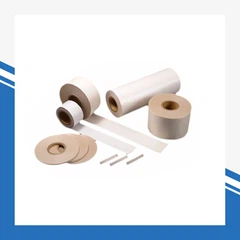
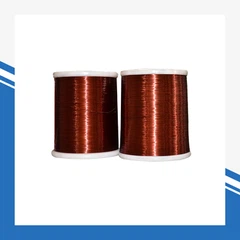
Insulation paper is a key material inside every electric motor. Its purpose is to separate copper windings from each other and from the iron core, preventing electrical short circuits.
Without reliable insulation, motors would overheat, fail quickly, and create safety risks.
Although it may look like ordinary paper, the technical requirements for motor insulation paper are far higher, because it must withstand heat, mechanical stress, and continuous electrical load.
Material and Structure
Most insulation papers are made from refined cellulose fibers, or a combination of cellulose with polyester or aramid fibers. For general-purpose motors, electrical kraft paper is common. For higher temperatures, manufacturers use composite laminates such as DMD (polyester nonwoven + polyester film) or NMN (Nomex + polyester film).
These layered structures combine electrical strength with flexibility, allowing the paper to wrap tightly around wires without tearing.
Typical insulation paper offers dielectric strength in the range of 6–12 kV per millimeter of thickness. For reference, a motor running in Class F (155 °C) conditions requires insulation that can hold its properties after thousands of hours at elevated temperature. This is why international standards like IEC 60216 and IEC 60554 are used to qualify materials before they reach the market.

Applications in the Motor Industry
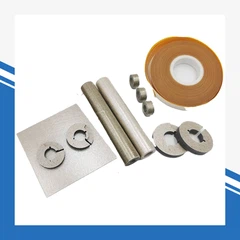
Insulation paper is used in slot liners, phase insulation, and outer wrapping of stator and rotor coils. It is applied in:
Industrial induction motors in factories
Household appliance motors
Generators and alternators
Pumps and compressors
Traction motors for transport
In countries like Brazil, the demand for motors in agriculture, infrastructure, and renewable energy has been rising steadily. Local associations report consistent growth in the use of electric motors for irrigation, grain processing, and wind power equipment. This growth directly increases demand for reliable insulation materials, as end users focus more on durability and energy efficiency.
Quality Control Process
Before insulation paper is shipped to customers, it undergoes strict inspection. Common tests include:
Thickness measurement with ±0.01 mm tolerance
Dielectric breakdown test to confirm electrical strength
Moisture content analysis, since humidity affects insulation performance
Tensile strength test to ensure the paper can be wound without tearing
Thermal aging test, simulating long-term operation in hot environments
Only after passing these checks does the material move to packaging.
Packaging and Delivery
Insulation paper is usually supplied in rolls, wrapped in moisture-proof film, and packed on wooden pallets for safe transport. Some buyers prefer sheets cut to specific slot sizes, which suppliers can customize. Minimum order quantity (MOQ) typically starts at 300–500 kilograms, depending on the grade.
Certificates and Compliance
Leading suppliers usually hold ISO 9001 quality management certification, and may also provide UL recognition or RoHS/REACH compliance documents. These certificates help buyers in regulated markets reduce risk and speed up supplier approval.
Trade and Payment Terms
For international customers, the most common Incoterms are FOB, CIF, and sometimes DDP for door-to-door delivery. Payment terms usually include T/T (30% deposit, 70% before shipment) or L/C at sight. Long-term buyers may negotiate flexible terms after stable cooperation.
Key Parameters Buyers Care About
When sourcing insulation paper, procurement teams focus on:
Thermal class (A, B, F, H, with maximum operating temperature)
Dielectric strength (kV/mm)
Thickness and tolerance
Compatibility with varnish or resin impregnation
Moisture absorption rate
Roll width, length, and core size
Conclusion
Insulation paper for motor winding may seem like a small detail, but for motor manufacturers and repair companies it directly affects product reliability and end-user satisfaction. Choosing the right grade means fewer breakdowns, longer service life, and reduced maintenance costs. For buyers in emerging markets such as Brazil, sourcing from a supplier with strong quality control, international certification, and flexible customization is the best way to secure long-term value.