







Introduction: The Growing Challenge in High-Stress Environments
In modern power grids, electric vehicles, and heavy machinery, electrical equipment operates under increasingly severe thermal and electrical stresses. Critical wiring, hydraulic lines, and transformer connections are constantly exposed to direct heat, electrical surges, mechanical friction, and harsh chemical environments.
A single insulation failure can trigger catastrophic short circuits, dangerous arc flashes, and millions in unplanned downtime. This is why standard plastic or rubber tubing is no longer enough-investing in a high-performance silicone coated fiberglass sleeve from a reliable fire resistant silicone sleeving manufacturer has become an essential safeguard for modern industrial infrastructure.

Why Use Silicone Fiberglass Sleeving?
Upgrading to our industrial-grade, heavy duty transformer insulating sleeving delivers immediate and long-term operational advantages:
Prevents Electrical Arc Flashes & Short Circuits
With exceptional dielectric strength, our sleeving acts as an impenetrable barrier against high-voltage surges, protecting sensitive components and preventing catastrophic electrical fires.
Extends Equipment Lifespan & Reduces Maintenance Downtime
By shielding internal wiring from thermal degradation, constant vibration, and chemical exposure, equipment failure rates drop significantly, saving substantial repair and replacement costs.
Enhances Workplace & Operator Safety
Our thermal insulation barrier prevents extreme surface heat on exposed cables or hoses, shielding technicians from accidental contact burns and hazardous line bursts.
Simplifies Installation & Assembly
High flexibility allows seamless routing around tight bends without cracking, fraying, or requiring frequent replacements during routine maintenance.
What Type of Insulating Sleeving is Shown in Our picture?

Understanding the types of electrical insulating sleeving is critical when selecting the right protection for your engineering requirements:
Acrylic Fiberglass Sleeving: Flexible and economical, ideal for Class F (155degree) motor insulation, but limited in extreme flame resistance.
Polyurethane (PU) Fiberglass Sleeving: Excellent mechanical toughness and oil resistance, commonly used in automotive appliances.
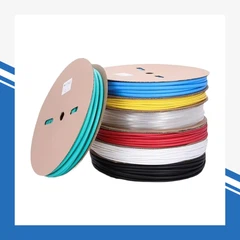
Heat Shrinkable Tubing: Great for tight sealing, but lacks high-temperature heat shielding and flame resistance.
Silicone Coated Fiberglass Sleeving (Featured in Images): The pinnacle of high-temperature electrical protection.
📌 Our Product Category:
The product showcased in our images belongs to the premium class of High-Temperature Silicone Rubber Coated Braided Fiberglass Sleeving (often referred to as Fire Sleeve or Pyrosleeve in heavy industries). It consists of an extra-dense braided fiberglass core heavy-coated with vulcanized liquid silicone rubber, specifically engineered for Class H to Class N (180degree) extreme environments.
How to Choose High-Quality Silicone Fiberglass Sleeving:
When sourcing high temperature silicone coated fiberglass sleeves, not all products on the market are created equal. Here is how professional engineers and procurement teams evaluate true quality:
Inspect Core Density & Weave Quality (Inner Layer)
Low Quality: Thin, loose fiberglass braiding with visible gaps, which provides poor heat resistance and low mechanical strength.
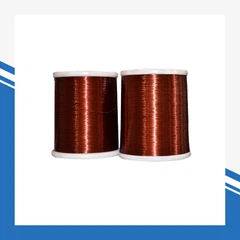
Our Quality: An ultra-dense, multi-layer fiberglass inner core (as shown in Image 2) that creates a dense thermal shield against direct flames and heat transfer.
Check Silicone Layer Thickness & Adhesion (Outer Layer)
Low Quality: Thin silicone coating that peels off easily, pinholes that cause electrical leaks, and uneven wall thickness due to cheap horizontal dipping.
Our Quality: Thick, high-purity silicone rubber that bonds permanently with the fiberglass core, eliminating pinholes and preventing dielectric breakdown.
Evaluate Flexibility & Cold/Heat Bending Performance
Low Quality: Silicone stiffens, cracks, or white-marks when bent or folded sharply.
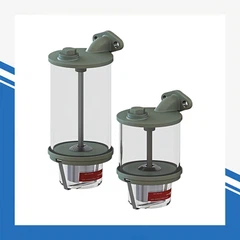
Our Quality: Superior flexibility (as shown in Image 4)-the sleeve can be tightly folded or twisted without surface cracking, ensuring flawless performance during complex installations.
Verify the Manufacturing Process
Our Factory: We utilize advanced Vertical Coating and High-Temperature Vulcanization Towers (the below picture). Vertical drawing uses gravity to ensure 100% uniform wall thickness from top to bottom, avoiding silicone sagging, bubbles, or weak spots.
(The right side picture: Vertical production line)

Why Choose Our Factory for Your Insulation Needs?
As a direct fire resistant silicone sleeving manufacturer, we offer end-to-end quality control and complete customization:
Custom Engineering: Tailored inner diameters, wall thicknesses, color options (iron oxide red, black, silvers), and custom dielectric voltage ratings (from 1.5kV to 10kV+).
International Compliance: Manufactured in compliance with RoHS, REACH, and UL flame-retardant standards.
Scalable Production Capacity: Our automated vertical coating lines guarantee fast turnaround times for high-volume global wholesale orders.
Partner with a Trusted Insulation Manufacturer Today
Whether you are manufacturing high-voltage power transformers, electric vehicles, industrial furnaces, or heavy machinery, our high-performance sleeving provides the ultimate thermal and electrical defense.
[Contact Our Engineering Team Today] to request technical datasheets, free samples, or a direct factory quotation!