






Shear resistance is a critical mechanical property that plays a vital role in the performance and reliability of insulation fitting series. As a supplier of insulation fitting series, understanding and communicating the shear resistance of our products is essential for our customers to make informed decisions. In this blog, we will explore what shear resistance is, why it matters in insulation fittings, and how our insulation fitting series perform in terms of shear resistance.
What is Shear Resistance?
Shear resistance refers to the ability of a material or component to withstand shear forces without undergoing significant deformation or failure. Shear forces are forces that act parallel to the surface of an object, causing one part of the object to slide or deform relative to another part. For example, when a bolt is tightened, the threads of the bolt experience shear forces as they are pulled against the threads of the nut. In the context of insulation fittings, shear forces can occur due to various factors such as mechanical vibrations, thermal expansion and contraction, and external impacts.
The shear resistance of a material is typically measured by conducting a shear test. In a shear test, a sample of the material is subjected to a shear force until it fails. The maximum shear stress that the material can withstand before failure is known as the shear strength. Shear strength is an important parameter for evaluating the shear resistance of a material, as it provides a quantitative measure of the material's ability to resist shear forces.
Why is Shear Resistance Important in Insulation Fittings?
Insulation fittings are used in a wide range of electrical applications, including transformers, switchgear, and power distribution systems. These applications often involve high voltages, high currents, and harsh environmental conditions. As a result, insulation fittings are subjected to various mechanical stresses, including shear forces.
The shear resistance of insulation fittings is important for several reasons. Firstly, it ensures the mechanical integrity of the fittings. Insulation fittings that have low shear resistance may be prone to deformation or failure under shear forces, which can lead to electrical failures, safety hazards, and costly downtime. Secondly, shear resistance is important for maintaining the electrical performance of the fittings. Insulation fittings that are deformed or damaged due to shear forces may have reduced insulation properties, which can increase the risk of electrical breakdown and short circuits. Finally, shear resistance is important for ensuring the long-term reliability of the fittings. Insulation fittings that are able to withstand shear forces over an extended period of time are less likely to require frequent maintenance or replacement, which can reduce the overall cost of ownership.
Shear Resistance of Our Insulation Fitting Series
At our company, we are committed to providing high-quality insulation fittings that meet the highest standards of performance and reliability. Our insulation fitting series are designed and manufactured using advanced materials and manufacturing processes to ensure excellent shear resistance.
One of the key factors that contribute to the shear resistance of our insulation fittings is the choice of materials. We use high-strength, high-performance materials such as epoxy resin, fiberglass, and silicone rubber in the manufacturing of our insulation fittings. These materials have excellent mechanical properties, including high shear strength, which allows our insulation fittings to withstand shear forces without undergoing significant deformation or failure.
In addition to the choice of materials, our insulation fittings are also designed to have a robust and durable structure. We use advanced design techniques to optimize the shape and dimensions of our insulation fittings, which helps to distribute the shear forces evenly and reduce the stress concentration. This, in turn, improves the shear resistance of the fittings and ensures their long-term reliability.
To ensure the quality and performance of our insulation fittings, we conduct rigorous testing and quality control procedures. Our insulation fittings are tested for shear resistance using state-of-the-art testing equipment and techniques. We also perform other tests such as electrical testing, thermal testing, and environmental testing to ensure that our insulation fittings meet the highest standards of performance and reliability.
Examples of Our Insulation Fitting Series with High Shear Resistance
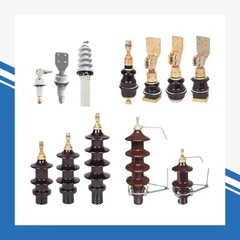
Our insulation fitting series include a wide range of products, each designed to meet the specific needs of different electrical applications. Here are some examples of our insulation fitting series that have high shear resistance:
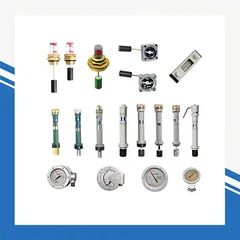
- Transformer Bushing Terminal Brass Flag: This product is used for connecting the transformer bushing to the electrical system. It is made of high-strength brass and has a robust design that provides excellent shear resistance.
- Insulation Bushing flags: These flags are used for identifying the low-current bushings in the electrical system. They are made of high-performance insulation materials and have a durable design that provides excellent shear resistance.
- DIN Transformer Flag: This product is used for identifying the DIN transformers in the electrical system. It is made of high-strength materials and has a compact design that provides excellent shear resistance.
Conclusion
Shear resistance is a critical mechanical property that plays a vital role in the performance and reliability of insulation fitting series. As a supplier of insulation fitting series, we understand the importance of shear resistance and are committed to providing high-quality insulation fittings that meet the highest standards of performance and reliability. Our insulation fitting series are designed and manufactured using advanced materials and manufacturing processes to ensure excellent shear resistance. We also conduct rigorous testing and quality control procedures to ensure the quality and performance of our insulation fittings.


If you are looking for high-quality insulation fittings with excellent shear resistance, please contact us to discuss your specific needs. Our team of experts will be happy to assist you in selecting the right insulation fittings for your application.
References
- ASTM D732 - Standard Test Method for Shear Strength of Plastics by Punch Tool
- ISO 12092 - Rubber - Determination of shear modulus and damping properties (viscoelasticity)
- IEC 60815 - Selection and dimensioning of high - voltage insulators intended for use in polluted conditions