








Hey there, fellow transformer enthusiasts! As a supplier of mains transformers for valve, I've seen my fair share of transformers out there in the market. And let me tell you, evaluating the quality of these transformers isn't as straightforward as it might seem. In this blog, I'm gonna share some tips and insights on how you can assess the quality of mains transformers for valve.
Understanding the Basics
First things first, let's talk about what a mains transformer for valve is. These transformers are specifically designed to provide the right voltage and current to valve - based electronics. Valves, also known as vacuum tubes, have different electrical requirements compared to solid - state components. A good mains transformer for valve needs to be able to handle these unique demands.
1. Electrical Specifications
One of the most important aspects of evaluating a transformer is looking at its electrical specifications.
Voltage Regulation
Voltage regulation is crucial. A high - quality transformer should be able to maintain a stable output voltage even when the input voltage fluctuates. You don't want your valve equipment to experience voltage spikes or drops, as this can damage the valves and affect the performance of your device. A transformer with tight voltage regulation will ensure that your valves receive a consistent power supply.
Power Rating
The power rating of the transformer is another key factor. You need to make sure that the transformer can supply enough power for your valve setup. If the power rating is too low, the transformer will be overloaded, which can lead to overheating and premature failure. On the other hand, if it's too high, you're just wasting energy and potentially spending more money than you need to.
Frequency Response
Valve - based equipment often operates over a specific frequency range. A good transformer should have a flat frequency response within this range. This means that it can transfer the electrical energy without distorting the signal. You can check the manufacturer's datasheet to see the frequency response curve of the transformer.
2. Build Quality
The build quality of a transformer can tell you a lot about its durability and performance.
Core Material
The core of the transformer is usually made of materials like silicon steel. High - grade silicon steel cores can reduce energy losses due to eddy currents. Eddy currents are induced currents that flow within the core, and they can cause the transformer to heat up and waste energy. A transformer with a high - quality core will be more efficient and last longer.
Winding Material and Construction
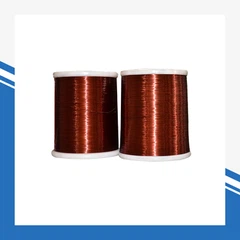
The windings of the transformer are responsible for transferring the electrical energy. Copper is the most common material used for windings because of its high conductivity. The way the windings are constructed also matters. Tightly wound and well - insulated windings can reduce the risk of short - circuits and improve the overall performance of the transformer.
Insulation
Good insulation is essential to prevent electrical leakage and short - circuits. The insulation material should be able to withstand high voltages and temperatures. You can look for transformers with high - quality insulation materials like polyester or epoxy.
3. Temperature and Efficiency
Temperature Rise
When a transformer is in operation, it generates heat. A high - quality transformer should have a low temperature rise. Excessive heat can damage the insulation and other components of the transformer, reducing its lifespan. You can measure the temperature of the transformer during operation to see how it performs.
Efficiency
Efficiency is a measure of how well the transformer converts the input power to the output power. A more efficient transformer will waste less energy in the form of heat. Look for transformers with high efficiency ratings. This not only saves energy but also reduces the operating costs in the long run.


4. Noise and Vibration
Noise
A good transformer should operate quietly. Excessive noise can be a sign of a problem, such as loose windings or a faulty core. You can listen to the transformer when it's in operation to check for any unusual noises. If you hear buzzing or humming sounds, it might be a red flag.
Vibration
Vibration can also indicate issues with the transformer. A well - constructed transformer should have minimal vibration. You can feel the transformer to see if it's vibrating excessively. Vibration can cause mechanical stress on the components and lead to premature failure.
5. Testing and Certification
Factory Testing
Reputable transformer manufacturers will conduct thorough factory testing on their products. This includes tests for electrical performance, insulation resistance, and temperature rise. Make sure to ask the supplier about the testing procedures they follow.
Certifications
Look for transformers that have relevant certifications, such as UL (Underwriters Laboratories) or CE (Conformité Européene). These certifications indicate that the transformer meets certain safety and performance standards.
Related Accessories
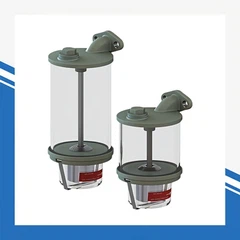
When it comes to transformers, there are also some important accessories. You can check out Valves for transformer for butterfly and radiator valves, Transformer butterfly valves for some specific radiator valves, and Transformer Drain Valves for drain valves. These valves play an important role in the proper functioning and maintenance of transformers.
Wrapping Up and Reaching Out
Evaluating the quality of mains transformers for valve is a multi - faceted process. You need to consider the electrical specifications, build quality, temperature and efficiency, noise and vibration, as well as testing and certification. By paying attention to these factors, you can ensure that you're getting a high - quality transformer for your valve - based equipment.
If you're in the market for a mains transformer for valve and need more information or want to discuss your specific requirements, feel free to reach out. I'm here to help you find the best solution for your needs.
References
- Grover, F. W. (1946). Inductance Calculations: Working Formulas and Tables. Dover Publications.
- Pressman, A. I., & Macdonald, K. (2009). Switching Power Supply Design. McGraw - Hill.