







Magnetic saturation is a critical phenomenon that significantly impacts the performance and operation of valve power transformers. As a supplier of valve power transformers, understanding the effects of magnetic saturation is essential for providing high-quality products and ensuring optimal performance for our customers.
Understanding Magnetic Saturation in Transformers
Magnetic saturation occurs when the magnetic core of a transformer reaches its maximum magnetic flux density. In a transformer, the magnetic core is typically made of ferromagnetic materials such as iron. When an alternating current (AC) is applied to the primary winding, it creates a magnetic field that induces a voltage in the secondary winding. As the current in the primary winding increases, the magnetic field in the core also increases. However, there is a limit to the amount of magnetic flux that the core can hold. Once this limit is reached, the core is said to be saturated.
In a saturated core, the relationship between the magnetic field strength (H) and the magnetic flux density (B) is no longer linear. Instead, a small increase in the magnetic field strength results in a much smaller increase in the magnetic flux density. This non - linear behavior has several implications for the operation of valve power transformers.
Effects on Transformer Performance
Increased Core Losses
One of the most significant effects of magnetic saturation is the increase in core losses. Core losses in a transformer consist of hysteresis losses and eddy current losses. Hysteresis losses occur due to the repeated magnetization and demagnetization of the core material. When the core is saturated, the hysteresis loop becomes wider, leading to an increase in hysteresis losses. Eddy current losses are caused by the induced currents in the core due to the changing magnetic field. In a saturated core, the magnetic field distribution becomes more complex, which can also increase eddy current losses.
The increase in core losses leads to higher operating temperatures in the transformer. This can reduce the efficiency of the transformer and may also shorten its lifespan. For valve power transformers, which are often used in high - power applications, the additional heat generated by increased core losses can be a major concern.


Distorted Output Voltage
Magnetic saturation can also cause distortion in the output voltage of the transformer. When the core is saturated, the magnetic field no longer varies linearly with the input current. This non - linearity is transferred to the output voltage, resulting in a distorted waveform. The distorted output voltage can have a negative impact on the performance of the electrical equipment connected to the transformer. For example, in a power supply system, a distorted voltage can cause malfunctions in sensitive electronic devices.
Increased Magnetizing Current
In a saturated transformer, the magnetizing current required to maintain the magnetic field in the core increases significantly. The magnetizing current is the current that flows in the primary winding to create the magnetic field in the core. When the core is saturated, a much larger current is needed to achieve the same level of magnetic flux. This increased magnetizing current can lead to higher energy consumption and may also cause overloading of the power supply.
Impact on Valve Power Transformers
Valve Operation
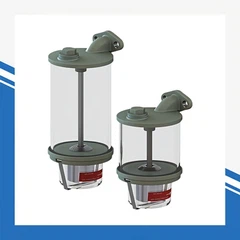
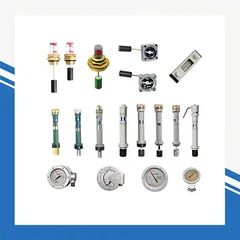
Valve power transformers are often used in applications where precise control of electrical power is required. The valves, such as Brass drain valve and Valve for Power Transformer, rely on a stable and undistorted voltage supply for proper operation. Magnetic saturation can disrupt the normal operation of these valves by causing voltage distortion and fluctuations.
For example, in a high - voltage direct - current (HVDC) transmission system, valve power transformers are used to supply power to the thyristor valves. If the transformer experiences magnetic saturation, the distorted voltage can affect the firing angle of the thyristors, leading to improper power conversion and control. This can result in reduced efficiency and reliability of the HVDC system.
Insulation Stress
The increased core losses and higher operating temperatures caused by magnetic saturation can also increase the stress on the insulation of the transformer. The insulation materials in a valve power transformer are designed to withstand a certain level of temperature and electrical stress. When the transformer operates under saturated conditions, the increased heat can accelerate the aging of the insulation materials, reducing their dielectric strength.
Over time, this can lead to insulation breakdown, which can cause short - circuits and other electrical failures in the transformer. For valve power transformers, which are often used in critical power applications, insulation failure can have serious consequences, including power outages and damage to other electrical equipment.
Mitigation Strategies
As a supplier of valve power transformers, we are committed to providing solutions to mitigate the effects of magnetic saturation. One approach is to design the transformer with a larger core size. A larger core can handle a higher magnetic flux density without reaching saturation. This can help to reduce the likelihood of magnetic saturation and its associated problems.
Another strategy is to use high - quality core materials with a high saturation flux density. These materials can withstand a higher magnetic field before saturating, which can improve the performance and reliability of the transformer. Additionally, proper control and monitoring of the transformer's operating conditions can help to prevent magnetic saturation. For example, by monitoring the magnetizing current and voltage, we can detect early signs of saturation and take appropriate measures to prevent it.
Importance of Choosing the Right Transformer
When selecting a valve power transformer, it is crucial to consider the potential for magnetic saturation. Customers should work closely with a reliable supplier, like us, to ensure that the transformer is designed and rated to meet their specific application requirements. Our team of experts can provide guidance on the selection of the appropriate transformer based on factors such as the load requirements, operating environment, and expected magnetic field conditions.
By choosing the right transformer, customers can avoid the problems associated with magnetic saturation and ensure the long - term performance and reliability of their electrical systems. We offer a wide range of Transformer Valve and valve power transformers that are designed to operate efficiently and reliably under various conditions.
Conclusion
Magnetic saturation has a significant impact on the performance and operation of valve power transformers. It can lead to increased core losses, distorted output voltage, and increased magnetizing current, which can affect the efficiency, reliability, and lifespan of the transformer. As a supplier of valve power transformers, we understand the importance of addressing these issues and providing solutions to our customers.
If you are in the market for valve power transformers or need more information about how to mitigate the effects of magnetic saturation, we encourage you to contact us for a detailed discussion. Our team of experts is ready to assist you in selecting the right transformer for your specific needs and ensuring the optimal performance of your electrical system.
References
- Grover, F. W. (1946). Inductance Calculations: Working Formulas and Tables. Dover Publications.
- Kirtley, J. L. (2004). Electric Machinery Fundamentals. McGraw - Hill.
- Chapman, S. J. (2012). Electric Machinery and Power System Fundamentals. McGraw - Hill.