


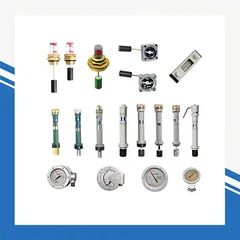


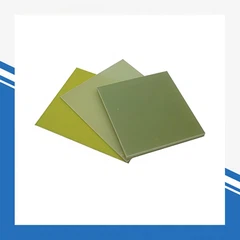

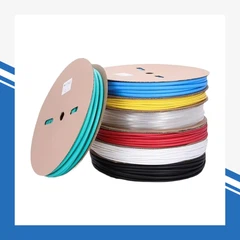

In the realm of electrical engineering, insulation fitting series play a pivotal role in ensuring the safety, efficiency, and longevity of various electrical systems, especially in transformers. One of the critical properties of these insulation fittings is their tear resistance. As a leading supplier of insulation fitting series, we understand the significance of this characteristic and its impact on the overall performance of the products.


Understanding Tear Resistance
Tear resistance refers to the ability of a material to withstand the propagation of a tear or crack when subjected to a tensile force. In the context of insulation fitting series for transformers, this property is crucial as these fittings are often exposed to mechanical stress during installation, operation, and maintenance. Tear - prone insulation fittings can lead to insulation failure, which may result in short - circuits, electrical breakdown, and even catastrophic equipment damage.
The tear resistance of insulation materials is typically measured in units such as N/mm (Newtons per millimeter). A higher tear resistance value indicates that the material can better withstand the forces that cause tearing. This measurement is obtained through standardized testing methods, including the trouser tear test and the Elmendorf tear test.
Factors Affecting Tear Resistance in Insulation Fitting Series
Material Composition
The type of material used in the insulation fitting series is a primary factor influencing tear resistance. Common materials for insulation fittings include plastics, rubber, and composite materials. Each material has its inherent tear - resistant properties.
For instance, silicone rubber is widely used in insulation fittings due to its excellent tear resistance, along with other benefits such as high thermal stability and good electrical insulation properties. Its long - chain polymer structure allows it to distribute stress more evenly, reducing the likelihood of tear propagation. On the other hand, some low - cost plastics may have relatively poor tear resistance, which can limit their use in applications where high mechanical stress is expected.
Manufacturing Process
The manufacturing process also plays a significant role in determining the tear resistance of insulation fittings. Injection molding, extrusion, and compression molding are common manufacturing techniques. Proper control of the manufacturing parameters, such as temperature, pressure, and cooling rate, can enhance the tear resistance of the final product.
For example, if the cooling rate during injection molding is too fast, it can cause internal stresses in the material, leading to reduced tear resistance. Similarly, during extrusion, a consistent and appropriate extrusion speed is necessary to ensure a uniform structure of the insulation fitting, which is conducive to better tear resistance.
Design of the Fitting
The design of the insulation fitting itself can influence tear resistance. Sharp corners and edges in the fitting design can act as stress concentrators, making the fitting more prone to tearing. A well - designed insulation fitting with smooth curves and rounded corners distributes stress more evenly, thereby increasing its tear resistance.
Moreover, the thickness and shape of the fitting also matter. A thicker section of the fitting generally has better tear resistance as it can bear more force. However, the design needs to balance between thickness and other factors such as weight, cost, and installation requirements.
Importance of Tear Resistance in Transformer Applications
Protection of Electrical Components
In transformers, insulation fitting series are used to insulate electrical conductors, terminals, and bushings. High tear resistance ensures that the insulation remains intact under various mechanical stresses, protecting the sensitive electrical components from short - circuits and damage.
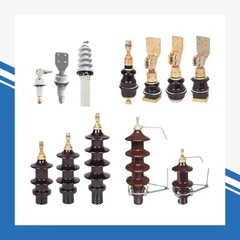
For example, HV LV Metal Parts Flag for Transformer is an important part of the transformer's insulation system. A tear - resistant HV LV Metal Parts Flag can prevent conductive materials from contacting live parts, ensuring the safe operation of the transformer.
Long - Term Reliability
Transformers are long - term assets in the power grid. Insulation fittings with high tear resistance contribute to the long - term reliability of transformers. They can withstand the repeated stresses caused by thermal cycling, vibration, and external impacts without significant degradation of their insulation properties.
A Bushing Flag For Transformer, for instance, is exposed to mechanical stress during the transformer's normal operation. A tear - resistant bushing flag can maintain its insulation performance over a long period, reducing the need for frequent maintenance and replacement.
Safety in Maintenance and Installation
During the maintenance and installation of transformers, insulation fittings are often handled manually. Tear - resistant fittings are less likely to be damaged during these processes, ensuring the safety of the workers and the proper functioning of the transformer.
Flag Teminal for Transformer Bushing needs to be correctly installed to ensure the electrical connection and insulation. A product with high tear resistance can resist accidental tearing during handling, reducing the risk of electrical accidents.
Our Insulation Fitting Series and Tear Resistance
As a supplier of insulation fitting series, we are committed to providing products with excellent tear resistance. We carefully select high - quality materials and optimize our manufacturing processes to ensure the best tear - resistant performance of our products.
Our research and development team continuously explores new materials and manufacturing technologies to improve tear resistance. We also conduct strict quality control tests on every batch of products to ensure that they meet or exceed industry standards.
For example, our Terminal Connector for Transformer is made of a special composite material with high tear resistance. This material not only provides excellent electrical insulation but also can withstand the mechanical stress during installation and operation.
Our Transformer Bushing Brass Flag is designed with smooth curves and a uniform structure, which helps to distribute stress evenly and enhance tear resistance.
Contact Us for Procurement and Negotiation
If you are in need of high - quality insulation fitting series with excellent tear resistance for your transformer applications, we invite you to contact us for procurement and negotiation. We have a wide range of products to meet different requirements, and our professional team can provide you with customized solutions. Our products are designed to ensure the safety, efficiency, and long - term reliability of your electrical systems. Let's work together to build a more stable and reliable power infrastructure.
References
- ASTM D1938 - 96(2015) Standard Test Method for Tear Resistance of Geomembranes by Trapezoid Procedure.
- ISO 34 - 1:2015 Rubber, vulcanized or thermoplastic — Determination of tear resistance.
- Electrical Insulation Handbook, Second Edition, by R. J. Dakin.