







As a seasoned silicon steel sheet supplier, I've witnessed firsthand the critical role that these sheets play in various electrical applications. Silicon steel sheets are the backbone of transformers, motors, and generators, where their magnetic properties are crucial for efficient energy conversion. In this blog post, I'll share some insights on how to enhance the magnetic performance of silicon steel sheets.
Understanding the Basics of Silicon Steel Sheets
Silicon steel sheets, also known as electrical steel sheets, are primarily composed of iron with a small percentage of silicon (usually between 0.5% and 6.5%). The addition of silicon improves the electrical resistivity of the steel, reducing eddy current losses and enhancing the magnetic permeability. This makes silicon steel sheets ideal for use in applications where efficient magnetic flux transfer is required.
There are two main types of silicon steel sheets: grain-oriented and non-grain-oriented. Grain-oriented silicon steel sheets have a preferred crystal orientation, which results in higher magnetic permeability and lower core losses in the direction of the grain. These sheets are typically used in transformers, where the magnetic flux is predominantly in one direction. Non-grain-oriented silicon steel sheets, on the other hand, have a random crystal orientation and are suitable for applications where the magnetic field is more complex, such as in motors and generators.
Factors Affecting the Magnetic Performance of Silicon Steel Sheets
Several factors can influence the magnetic performance of silicon steel sheets. Understanding these factors is essential for optimizing the performance of electrical devices.
Chemical Composition
The chemical composition of silicon steel sheets is a key determinant of their magnetic properties. As mentioned earlier, the addition of silicon increases the electrical resistivity and reduces eddy current losses. However, too much silicon can make the steel brittle and difficult to process. Other elements, such as aluminum, manganese, and phosphorus, can also affect the magnetic performance of silicon steel sheets. For example, aluminum can improve the magnetic permeability, while manganese can enhance the mechanical properties of the steel.
Crystal Structure
The crystal structure of silicon steel sheets has a significant impact on their magnetic properties. Grain-oriented silicon steel sheets are produced through a special manufacturing process that aligns the crystal grains in a specific direction. This results in a highly anisotropic magnetic behavior, with much higher magnetic permeability in the direction of the grain. Non-grain-oriented silicon steel sheets have a more random crystal structure, which provides more uniform magnetic properties in all directions.
Thickness
The thickness of silicon steel sheets can also affect their magnetic performance. Thinner sheets generally have lower eddy current losses because the eddy currents are confined to a smaller area. However, thinner sheets may also be more difficult to handle and assemble. In practice, the thickness of silicon steel sheets is selected based on the specific requirements of the application.
Surface Condition
The surface condition of silicon steel sheets can influence their magnetic properties. A smooth and clean surface can reduce the magnetic reluctance and improve the magnetic flux transfer. On the other hand, surface roughness, oxidation, and contamination can increase the magnetic losses and degrade the performance of the sheets. Therefore, it is important to ensure that the silicon steel sheets have a high-quality surface finish.
Strategies to Improve the Magnetic Performance of Silicon Steel Sheets
Based on the above factors, here are some strategies that can be employed to enhance the magnetic performance of silicon steel sheets.
Optimize the Chemical Composition
By carefully controlling the chemical composition of silicon steel sheets, it is possible to achieve the desired magnetic properties. This may involve adjusting the silicon content, as well as the addition of other alloying elements. For example, some advanced silicon steel grades may contain small amounts of rare earth elements, which can further improve the magnetic performance.
Improve the Manufacturing Process
The manufacturing process of silicon steel sheets plays a crucial role in determining their crystal structure and magnetic properties. For grain-oriented silicon steel sheets, advanced manufacturing techniques, such as secondary recrystallization annealing, can be used to achieve a more perfect grain orientation. This can significantly improve the magnetic permeability and reduce the core losses. For non-grain-oriented silicon steel sheets, proper hot rolling and cold rolling processes can help to refine the crystal structure and improve the magnetic properties.
Reduce the Thickness
As mentioned earlier, reducing the thickness of silicon steel sheets can effectively lower the eddy current losses. With the development of advanced manufacturing technology, it is now possible to produce thinner silicon steel sheets without sacrificing their mechanical properties. However, it is important to note that the reduction of thickness should be balanced with other factors, such as cost and ease of processing.
Enhance the Surface Treatment
Applying a high-quality surface treatment to silicon steel sheets can improve their magnetic performance. This may include coating the sheets with a thin layer of insulation material to reduce eddy current losses and prevent oxidation. Additionally, surface polishing can be used to improve the smoothness of the sheets and reduce the magnetic reluctance.
Applications of High-Performance Silicon Steel Sheets
High-performance silicon steel sheets are in high demand in a wide range of electrical applications. Here are some examples:
Transformers
Transformers are one of the most important applications of silicon steel sheets. High-performance silicon steel sheets can significantly reduce the core losses of transformers, improving their energy efficiency and reducing operating costs. Silicon Steel Coil is a popular choice for transformer manufacturers due to its excellent magnetic properties.
Motors
Motors are another major application of silicon steel sheets. By using high-performance silicon steel sheets, motor manufacturers can improve the efficiency and power density of their motors. EI Silicon Steel Plate For Motor is widely used in the production of motors due to its good magnetic properties and mechanical strength.


Generators
Generators also rely on silicon steel sheets to convert mechanical energy into electrical energy. High-performance silicon steel sheets can improve the efficiency and reliability of generators, making them more suitable for use in power generation systems.
Amorphous Transformer Core
In recent years, Amorphous Transformer Core has emerged as an alternative to traditional silicon steel cores. Amorphous materials have extremely low core losses, which can significantly improve the energy efficiency of transformers. However, amorphous materials also have some limitations, such as high cost and poor mechanical properties. Therefore, a combination of amorphous and silicon steel materials may be a promising solution for future transformer applications.
Conclusion
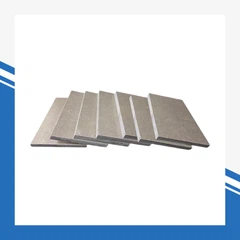
Improving the magnetic performance of silicon steel sheets is a continuous pursuit in the field of electrical engineering. By understanding the factors that affect the magnetic properties of silicon steel sheets and implementing appropriate strategies, it is possible to achieve significant improvements in the performance of electrical devices. As a silicon steel sheet supplier, I am committed to providing high-quality products and technical support to our customers. If you are interested in purchasing Electrical Silicon Steel Sheets or Silicon Iron Sheet for Transformer, please feel free to contact us for further discussion and negotiation.
References
- Cullity, B.D., & Graham, C.D. (2008). Introduction to Magnetic Materials. Wiley-Interscience.
- Jiles, D.C. (1998). Introduction to Magnetism and Magnetic Materials. Chapman & Hall.
- Li, S., & Su, Y. (2012). Electrical Steel: Fundamentals and Applications. Woodhead Publishing.