







As a supplier of transformer valves, I've seen firsthand how the choice of valve material can make or break the performance of these crucial components. In the world of transformers, every little detail matters, and the material of the valve is no exception. It can affect everything from durability and resistance to the overall functionality of the valve. Let's take a closer look at the influence of valve material on its performance.
Durability and Longevity
One of the most important aspects of any valve is its durability. Transformers are often used in challenging environments where they are exposed to high temperatures, pressure, and various chemicals. The valve material needs to be able to withstand these conditions without deteriorating over time. For example, stainless steel is a popular choice for transformer valves because it has excellent corrosion resistance. It can handle the harsh chemicals present in transformer oil and resist rust and oxidation, which means it will last longer and require less maintenance.
On the other hand, if you choose a material that is not as durable, like some types of plastic, the valve may start to break down or crack over time. This can lead to leaks, which are not only a safety hazard but can also cause significant damage to the transformer. So, when it comes to durability, investing in a high - quality, robust material like stainless steel or brass is a no - brainer.
Chemical Resistance
Transformer oil is a key component in a transformer's operation, and it contains various chemicals. The valve material must be resistant to these chemicals to prevent degradation. Brass is another great material option for transformer valves. It has good chemical resistance and can handle the properties of transformer oil well. Brass drain valve made from high - grade brass can maintain their integrity even when in constant contact with the oil.
In contrast, if you use a material that is not chemically resistant, the valve can react with the oil and form deposits or get eroded. This can clog the valve, affecting its flow rate and overall performance. Chemical resistance is also crucial for preventing contamination of the transformer oil, which could impact the efficiency of the transformer.
Thermal Performance
Transformers generate a significant amount of heat during operation. The valve material needs to have good thermal performance to ensure that it functions properly under high - temperature conditions. Materials with high thermal conductivity, like copper, can transfer heat away from the valve more effectively. This helps to prevent overheating, which can cause the valve to malfunction or even fail.
Some materials may expand or contract too much with temperature changes, which can lead to issues with the valve's sealing mechanism. For instance, if the valve expands too much due to heat, it may not sit properly, resulting in leaks. Choosing a material with stable thermal properties is essential for maintaining the performance of the valve in a high - temperature environment.
Cost - effectiveness
While we want the best - performing valve, cost is also a factor. Sometimes, a more expensive material may offer better performance, but it may not always be necessary for every application. For example, if the transformer is used in a less demanding environment, a less costly material like certain types of coated carbon steel might be sufficient.
However, it's important to consider the long - term costs. A cheaper material may lead to more frequent replacements and maintenance, which can add up over time. So, you need to strike a balance between the initial cost of the valve and its long - term performance.
Specific Examples of Valve Materials and Their Impact
Let's talk about Transformer Brass Valves. Brass valves are known for their good balance of properties. They are relatively easy to machine, which means the manufacturing process can be more efficient, reducing costs. Brass also has a decent level of corrosion resistance and can handle moderate temperatures well. This makes them a popular choice for many transformer applications.
On the other hand, stainless steel valves offer superior corrosion resistance, especially in harsh environments. They are often used in industrial transformers where the conditions are more severe. Stainless steel valves may be more expensive upfront, but their long - term durability can save money in the long run.
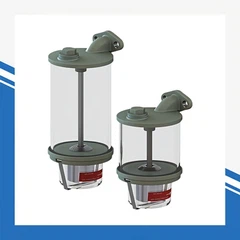
Another type is the Transformer Oil Drain Valve. These valves are used to drain the transformer oil, and the material choice is critical. A valve made from a material that is not resistant to the oil's chemicals can lead to premature failure. A well - made oil drain valve, whether it's brass or stainless steel, can ensure a smooth and safe oil - draining process.


Summary
In conclusion, the material of a transformer valve has a profound influence on its performance. Durability, chemical resistance, thermal performance, and cost - effectiveness are all factors that are affected by the material choice. As a transformer valve supplier, I always recommend carefully evaluating the requirements of the transformer application before choosing a valve material. Whether it's a Transformer Oil Drain Valve, Transformer Brass Valves, or any other type of valve, getting the material right is crucial for optimal performance.
If you're in the market for high - quality transformer valves, and you want to discuss the best material options for your specific needs, don't hesitate to reach out. We're here to help you make the right choice and ensure your transformers operate at their best.
References
- "Handbook of Transformer Technology" by T. A. Short
- "Valve Selection and Sizing Guide" by various industry experts