








As an electrical steel sheet supplier, I've seen firsthand how the manufacturing location can have a huge impact on the quality of the product. In this blog, I'll share my insights on how different manufacturing locations can affect the quality of electrical steel sheets.
Raw Material Quality
One of the most significant factors that can affect the quality of electrical steel sheets is the quality of the raw materials used in the manufacturing process. Different regions around the world have varying qualities of iron ore and other raw materials that are used to make electrical steel sheets. For example, some regions may have iron ore with a higher purity level, which can result in a higher quality electrical steel sheet.
In addition to the quality of the raw materials, the availability of these materials can also play a role. Some regions may have a more abundant supply of raw materials, which can lead to more consistent production and potentially higher quality products. On the other hand, regions with limited raw material availability may face challenges in maintaining a consistent supply, which can affect the quality of the electrical steel sheets.
Manufacturing Technology and Equipment
The manufacturing technology and equipment used in the production of electrical steel sheets can also vary depending on the location. Advanced manufacturing technologies and state - of - the - art equipment can produce higher quality electrical steel sheets.
In developed countries, many manufacturers have access to the latest manufacturing technologies and invest heavily in research and development. These technologies can ensure more precise control over the manufacturing process, such as better control of the thickness, flatness, and magnetic properties of the electrical steel sheets. For instance, some modern manufacturing facilities use advanced rolling mills and heat - treatment processes that can improve the grain structure of the steel, resulting in better magnetic performance.
In contrast, in some less - developed regions, manufacturers may rely on older technologies and equipment. This can lead to less precise manufacturing processes and potentially lower quality products. For example, outdated rolling mills may not be able to achieve the same level of thickness accuracy as modern ones, which can affect the performance of the electrical steel sheets in electrical applications.
Labor Skills and Expertise
The skills and expertise of the labor force in the manufacturing location are also crucial. Well - trained and experienced workers are more likely to produce high - quality electrical steel sheets.
In regions with a strong industrial tradition and a focus on technical education, workers tend to have a higher level of skills and knowledge. They are more familiar with the manufacturing processes, quality control measures, and can quickly identify and address any issues that may arise during production. For example, in countries like Germany, where there is a long - standing tradition of high - quality manufacturing, workers in the electrical steel sheet industry are highly skilled and can ensure the production of top - notch products.
In other areas, where there may be a lack of proper training and education programs, workers may not have the necessary skills to produce high - quality electrical steel sheets. This can lead to more errors and inconsistencies in the manufacturing process, which can ultimately affect the quality of the final product.
Quality Control Standards
The quality control standards and regulations in different manufacturing locations can vary significantly. Some regions have strict quality control regulations and standards that manufacturers must adhere to. These standards can cover aspects such as the chemical composition, magnetic properties, and surface finish of the electrical steel sheets.


In countries with strong regulatory frameworks, manufacturers are required to conduct regular quality inspections and tests throughout the manufacturing process. This helps to ensure that the electrical steel sheets meet the required quality standards. For example, in the United States, the ASTM (American Society for Testing and Materials) has established a set of standards for electrical steel sheets, and manufacturers are expected to comply with these standards.
In contrast, in some regions with less - developed regulatory systems, quality control may be less rigorous. This can result in a higher likelihood of sub - standard products entering the market. Without proper quality control, the electrical steel sheets may not perform as expected in electrical applications, leading to potential problems such as increased energy losses in transformers.
Environmental Factors
Environmental factors in the manufacturing location can also impact the quality of electrical steel sheets. For example, humidity and temperature can affect the manufacturing process. High humidity can cause corrosion of the steel during the manufacturing process, which can degrade the quality of the electrical steel sheets.
Some manufacturing locations may also be more prone to natural disasters such as earthquakes or floods. These events can disrupt the manufacturing process and damage the equipment, which can lead to a decrease in the quality of the products. For instance, if a manufacturing facility is damaged by an earthquake, it may take time to repair the equipment and resume normal production, and during this period, the quality of the electrical steel sheets produced may be affected.
Impact on Product Performance
The quality of electrical steel sheets directly impacts their performance in electrical applications. High - quality electrical steel sheets, which are often produced in locations with favorable factors such as high - quality raw materials, advanced technology, skilled labor, and strict quality control, can offer better magnetic properties.
These better magnetic properties mean lower core losses in transformers and other electrical devices. Lower core losses translate into higher energy efficiency, which is crucial in today's energy - conscious world. On the other hand, lower - quality electrical steel sheets may have higher core losses, leading to increased energy consumption and reduced performance of electrical equipment.
Conclusion
In conclusion, the manufacturing location has a profound impact on the quality of electrical steel sheets. Factors such as raw material quality, manufacturing technology, labor skills, quality control standards, and environmental factors all play a role in determining the final quality of the product.
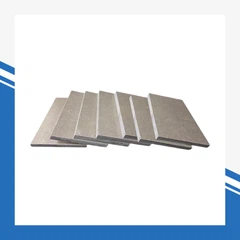
As an electrical steel sheet supplier, I understand the importance of these factors and strive to source and produce high - quality products. If you're in the market for Electrical Steel Sheet, Grade Silicon Steel Plate, or Non Oriented EI Sheet, I encourage you to consider the manufacturing location when making your purchasing decisions.
If you're interested in discussing your electrical steel sheet requirements further, I'd be more than happy to have a chat. Whether you need advice on the best type of electrical steel sheet for your application or want to learn more about our products, don't hesitate to reach out. Let's work together to find the perfect solution for your electrical needs.
References
- ASTM International. (20XX). Standards for electrical steel sheets.
- Industry reports on electrical steel sheet manufacturing in different regions.
- Research papers on the impact of manufacturing factors on the quality of electrical steel sheets.