







In the realm of electrical power systems, transformers play a pivotal role in ensuring the efficient and reliable transmission and distribution of electricity. Among the various components of a transformer, the tap changer is a critical device that allows for the adjustment of the transformer's turns ratio, thereby regulating the output voltage. When it comes to high - altitude areas, the operation of a transformer tap changer presents unique challenges and considerations. As a seasoned transformer tap changer supplier, I am well - versed in the intricacies of how these devices function in such demanding environments.
The Basics of Transformer Tap Changers
Before delving into the operation in high - altitude areas, let's first understand the fundamental working principle of a transformer tap changer. A transformer tap changer is designed to change the number of turns in the transformer winding, which in turn alters the turns ratio between the primary and secondary windings. This adjustment is crucial for maintaining a stable output voltage, especially when the input voltage fluctuates or when the load on the transformer changes.
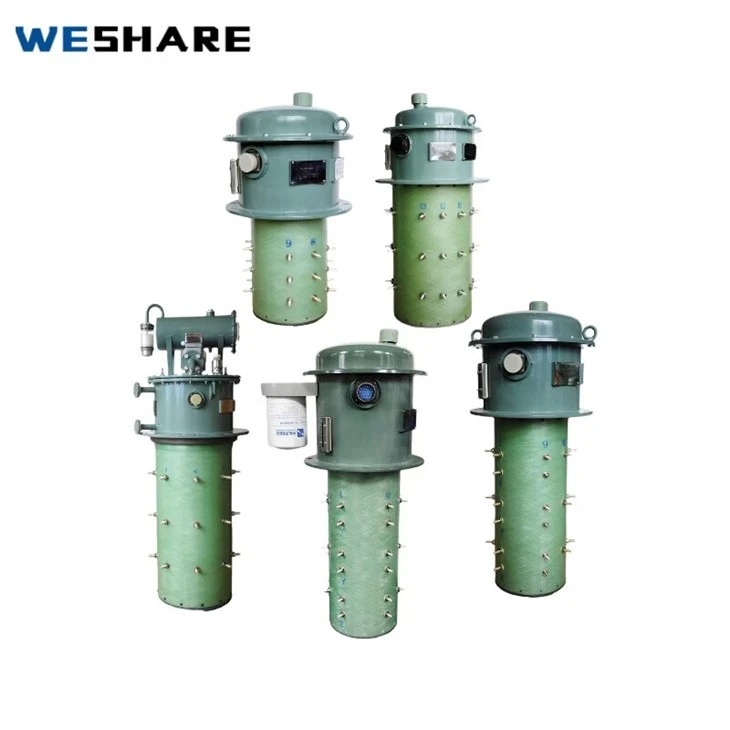
There are two main types of tap changers: off - load tap changers and on - load tap changers. An Off Load Tap Changer for Transformer can only be operated when the transformer is disconnected from the power supply. It is a relatively simple and cost - effective solution for applications where voltage adjustments are infrequent. On the other hand, an On Load Tap Changers For Transformers can change the tap position while the transformer is energized and under load. This type of tap changer is more complex and expensive but is essential for applications where continuous voltage regulation is required.
Challenges in High - Altitude Areas
High - altitude areas pose several challenges to the operation of transformer tap changers. One of the most significant issues is the lower air density. As altitude increases, the air density decreases, which affects the dielectric strength of the air. In a tap changer, the dielectric strength is crucial for preventing electrical breakdown and arcing between the contacts. With lower air density, the risk of arcing increases, which can lead to damage to the tap changer and disrupt the normal operation of the transformer.
Another challenge is the temperature variation. High - altitude areas often experience large temperature differences between day and night. These temperature fluctuations can cause thermal expansion and contraction of the tap changer components, which may lead to mechanical stress and potential failure. Additionally, low temperatures can affect the performance of the lubricants used in the tap changer, reducing their effectiveness and increasing the wear and tear of the moving parts.
How a Transformer Tap Changer Works in High - Altitude Areas
To overcome the challenges in high - altitude areas, the design and operation of transformer tap changers need to be carefully considered.
Dielectric Design
To address the issue of reduced dielectric strength due to low air density, special insulation materials are used in the tap changer. These materials have high dielectric strength and can withstand the electrical stress even in low - density air. For example, some tap changers use solid insulation materials such as epoxy resin, which provides excellent insulation properties and is less affected by air density changes.
In addition, the physical design of the tap changer is optimized to reduce the risk of arcing. The distance between the contacts is increased to ensure that the electrical field strength between them is within the safe range. Special arc - quenching devices are also installed to quickly extinguish any arcs that may occur during the tap - changing process.
Thermal Management
To cope with the large temperature variations, the tap changer is designed with effective thermal management systems. Heat - conducting materials are used to transfer heat away from the critical components, such as the contacts and the motor. In some cases, additional cooling devices, such as heat sinks or fans, may be installed to maintain a stable operating temperature.
The lubricants used in the tap changer are also carefully selected to ensure their performance at low temperatures. These lubricants have a low pour point and good viscosity - temperature characteristics, which can ensure smooth operation of the moving parts even in cold environments.
Mechanical Design
The mechanical components of the tap changer are designed to withstand the mechanical stress caused by thermal expansion and contraction. High - strength materials are used for the structural parts, and flexible connections are incorporated to absorb the stress. The design also takes into account the reduced air pressure at high altitudes, which can affect the operation of some mechanical components, such as pneumatic or hydraulic systems.
The Role of Tap Changer Switch
The Tap Changer Switch is a key component of the tap changer. It is responsible for making and breaking the electrical connections between the different taps of the transformer winding. In high - altitude areas, the tap changer switch needs to be designed to operate reliably under the challenging conditions.
The switch contacts are made of materials with high conductivity and good wear resistance. They are also designed to have a large contact area to reduce the contact resistance and minimize the heat generation. The switching mechanism is carefully designed to ensure smooth and precise operation, even in the presence of mechanical stress and temperature variations.
Quality Assurance and Testing
As a transformer tap changer supplier, we understand the importance of quality assurance and testing, especially for applications in high - altitude areas. Our tap changers undergo rigorous testing procedures to ensure their performance and reliability.
We conduct dielectric tests to verify the insulation properties of the tap changer under different air densities and temperatures. Mechanical tests are also carried out to check the operation of the moving parts and the durability of the structural components. These tests are performed in accordance with international standards and industry best practices.
Conclusion
In conclusion, the operation of a transformer tap changer in high - altitude areas requires careful consideration of the unique challenges posed by the environment. Through the use of special insulation materials, effective thermal management systems, and robust mechanical designs, we can ensure the reliable operation of tap changers in these demanding conditions.
If you are in need of high - quality transformer tap changers for your high - altitude projects, we are here to provide you with the best solutions. Our products are designed and manufactured to meet the highest standards of quality and performance. Contact us for more information and to discuss your specific requirements. We look forward to partnering with you in your electrical power projects.

References
- IEEE Standards for Power Transformers
- IEC Standards for Transformer Accessories
- Technical literature on high - altitude electrical equipment design