







When it comes to electrical steel sheet components, understanding the installation requirements is crucial for ensuring optimal performance and longevity. As a leading electrical steel sheet supplier, we have extensive experience in providing high - quality products to meet various industry needs. In this blog, we will delve into the key installation requirements for electrical steel sheet components.
1. Surface Preparation
Before installing electrical steel sheet components, proper surface preparation is essential. The surface of the steel sheets should be clean, free from rust, dirt, and any other contaminants. Rust can not only affect the electrical conductivity of the steel but also lead to corrosion over time, which may compromise the overall performance of the component.
To clean the surface, you can use mild solvents or degreasers. After cleaning, it is important to dry the sheets thoroughly to prevent any moisture from causing oxidation. Additionally, the surface should be smooth to ensure proper lamination. Any rough or uneven areas can cause gaps between the sheets, which may result in increased eddy current losses.
2. Lamination and Stacking
Lamination is a critical process in the installation of electrical steel sheet components. The steel sheets are typically laminated to reduce eddy current losses. Eddy currents are induced in the steel due to the changing magnetic field, and these currents can cause energy losses in the form of heat. By laminating the sheets, the path of the eddy currents is restricted, thereby reducing the losses.
When stacking the laminated sheets, it is important to ensure that they are properly aligned. Misaligned sheets can lead to uneven magnetic flux distribution, which can affect the performance of the component. The sheets should be stacked in a tight and orderly manner to minimize air gaps between them. Air gaps can increase the reluctance of the magnetic circuit, leading to higher energy losses.
3. Fixing and Securing
Once the sheets are stacked, they need to be fixed and secured properly. There are several methods for fixing electrical steel sheet components, including mechanical fasteners, adhesives, and welding.
Mechanical fasteners such as bolts and nuts can be used to hold the sheets together. However, care must be taken to ensure that the fasteners do not damage the sheets. Adhesives can also be used to bond the sheets together. The adhesive should have good electrical insulation properties to prevent short - circuits. Welding is another option, but it requires careful control to avoid overheating the sheets, which can affect their magnetic properties.
4. Environmental Considerations
The installation environment of electrical steel sheet components also plays an important role. The components should be installed in a dry and clean environment to prevent moisture and dust from affecting their performance. High humidity can cause rusting of the steel sheets, while dust can accumulate on the surface and affect the electrical insulation.
In addition, the temperature of the installation environment should be within the recommended range. Extreme temperatures can affect the magnetic properties of the steel sheets. For example, high temperatures can cause the steel to lose its magnetic properties, while low temperatures can make the steel more brittle.
5. Compatibility with Other Components
Electrical steel sheet components are often used in conjunction with other electrical and mechanical components. Therefore, it is important to ensure their compatibility with these components. For example, when used in transformers, the electrical steel sheet components should be compatible with the winding materials and the insulation materials.
The magnetic properties of the steel sheets should be matched with the requirements of the overall system. If the magnetic properties are not properly matched, it can lead to inefficient operation and increased energy losses.
6. Safety Precautions
During the installation process, safety precautions must be taken. Workers should wear appropriate personal protective equipment (PPE), such as gloves and safety glasses. When using tools and equipment, proper safety procedures should be followed to prevent accidents.
In addition, electrical safety is of utmost importance. Before starting the installation, the power supply should be turned off to avoid electrical shocks. If the components are to be installed in an electrical system, proper grounding should be ensured to protect against electrical faults.
Specific Product Installation Requirements
Round Amorphous Core
The Round Amorphous Core is a special type of electrical steel sheet component. When installing it, special attention should be paid to its unique magnetic properties. The amorphous material is more sensitive to mechanical stress compared to traditional silicon steel. Therefore, during the installation process, avoid applying excessive force that may damage the core.


The installation of the round amorphous core also requires precise alignment to ensure optimal magnetic performance. The core should be installed in a well - ventilated area to dissipate the heat generated during operation.
Silicon Metal Sheet
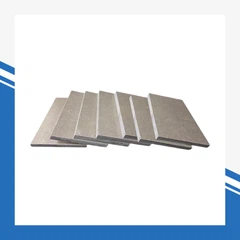
The Silicon Metal Sheet is widely used in electrical applications. When installing silicon metal sheets, it is important to ensure proper insulation between the sheets. This can be achieved by using insulating materials such as paper or film.
The stacking of silicon metal sheets should be done carefully to maintain the integrity of the magnetic circuit. Any misalignment or damage to the sheets can lead to increased energy losses.
EI Silicon Steel Sheet
The EI Silicon Steel Sheet is a common type of electrical steel sheet used in transformers and other electrical devices. When installing EI silicon steel sheets, the E and I shaped sheets should be properly assembled. The assembly process should be carried out in a clean environment to prevent the ingress of foreign particles.
The sheets should be tightened evenly to ensure a good magnetic coupling. Over - tightening can cause deformation of the sheets, while under - tightening can lead to air gaps and increased losses.
Conclusion
In conclusion, the installation requirements for electrical steel sheet components are complex and require careful attention to detail. From surface preparation to environmental considerations, every step in the installation process can have a significant impact on the performance and longevity of the components.
As a reliable electrical steel sheet supplier, we are committed to providing high - quality products and technical support to our customers. If you are interested in purchasing our electrical steel sheet components or have any questions about installation, we encourage you to contact us for a detailed discussion. We look forward to working with you to meet your specific needs.
References
- Electrical Engineering Handbook, Third Edition, CRC Press
- Handbook of Magnetic Materials, Volume 18, Elsevier