






Electromagnetic interference (EMI) is a significant concern in the electrical industry, especially when it comes to electrical steel sheets. As a supplier of electrical steel sheets, I've seen firsthand how EMI can impact the performance and longevity of these essential components. In this blog, I'll explore the effects of electromagnetic interference on electrical steel sheets and why it matters for your applications.
What is Electromagnetic Interference?
Before we dive into the impact on electrical steel sheets, let's quickly define electromagnetic interference. EMI is the disturbance that affects an electrical circuit due to either electromagnetic induction or electromagnetic radiation emitted from an external source. This interference can come from a variety of sources, such as power lines, radio waves, and even other electrical devices. EMI can disrupt the normal operation of electronic equipment, leading to malfunctions, data loss, or reduced performance.
How EMI Affects Electrical Steel Sheets
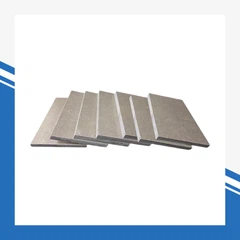
Electrical steel sheets, also known as silicon steel sheets, are widely used in the construction of Transformer cores and other electrical devices. These sheets are designed to have high magnetic permeability and low core losses, which makes them ideal for applications where efficient magnetic energy transfer is required.
However, electromagnetic interference can have several negative effects on electrical steel sheets:
1. Increased Core Losses
One of the primary impacts of EMI on electrical steel sheets is an increase in core losses. Core losses occur when the magnetic field in the steel sheet changes, causing energy to be dissipated as heat. EMI can cause additional fluctuations in the magnetic field, leading to higher core losses and reduced efficiency. This can result in increased energy consumption and higher operating costs for electrical devices.
2. Reduced Magnetic Permeability
EMI can also reduce the magnetic permeability of electrical steel sheets. Magnetic permeability is a measure of how easily a material can be magnetized. When EMI disrupts the magnetic field in the steel sheet, it can cause the magnetic domains to become misaligned, reducing the overall magnetic permeability. This can lead to a decrease in the efficiency of the electrical device and a loss of performance.


3. Eddy Current Losses
Another effect of EMI on electrical steel sheets is the generation of eddy currents. Eddy currents are circular electric currents that are induced in the steel sheet when it is exposed to a changing magnetic field. These currents can cause additional energy losses and heat generation, which can further reduce the efficiency of the electrical device.
4. Noise and Vibration
EMI can also cause noise and vibration in electrical devices. When the magnetic field in the steel sheet is disrupted by EMI, it can cause the sheet to vibrate, which can lead to audible noise. This can be a significant problem in applications where quiet operation is required, such as in residential or commercial buildings.
Mitigating the Impact of EMI on Electrical Steel Sheets
As a supplier of Electrical Steel Sheet, I understand the importance of mitigating the impact of EMI on these components. Here are some strategies that can help reduce the effects of electromagnetic interference:
1. Shielding
One of the most effective ways to reduce EMI is to use shielding materials. Shielding materials can be used to block or absorb electromagnetic radiation, preventing it from reaching the electrical steel sheets. Common shielding materials include copper, aluminum, and conductive polymers.
2. Grounding
Proper grounding is also essential for reducing EMI. Grounding provides a path for the electrical current to flow safely to the ground, reducing the risk of electromagnetic interference. It's important to ensure that all electrical devices are properly grounded to minimize the impact of EMI.
3. Filtering
Filtering can also be used to reduce EMI. Filters can be used to remove unwanted frequencies from the electrical signal, reducing the amount of electromagnetic interference. There are several types of filters available, including low-pass filters, high-pass filters, and band-pass filters.
4. Design Considerations
When designing electrical devices, it's important to consider the potential impact of EMI. This includes using proper layout and routing techniques to minimize the exposure of electrical steel sheets to electromagnetic radiation. It's also important to use high-quality components and materials that are resistant to EMI.
Why Choose Our Electrical Steel Sheets?
At our company, we understand the importance of providing high-quality electrical steel sheets that are resistant to electromagnetic interference. Our Electrical Silicon Steels are carefully engineered to have low core losses, high magnetic permeability, and excellent resistance to EMI. We use the latest manufacturing techniques and quality control measures to ensure that our products meet the highest standards of performance and reliability.
In addition to our high-quality products, we also offer excellent customer service and technical support. Our team of experts is available to answer your questions and provide you with the information you need to make the right choice for your application. Whether you're looking for electrical steel sheets for a small project or a large-scale industrial application, we have the products and expertise to meet your needs.
Conclusion
Electromagnetic interference can have a significant impact on the performance and longevity of electrical steel sheets. By understanding the effects of EMI and taking steps to mitigate its impact, you can ensure that your electrical devices operate efficiently and reliably. As a supplier of high-quality electrical steel sheets, we're committed to providing our customers with the products and support they need to succeed. If you're interested in learning more about our products or have any questions, please don't hesitate to contact us. We look forward to working with you.
References
- "Electromagnetic Interference: Principles and Applications" by Clayton R. Paul
- "Electrical Steel: Properties, Processing, and Applications" by A. K. Bhattacharya
- "Transformer Design and Application" by A. P. Sakis Meliopoulos