








Troubleshooting a transformer tap changer is a crucial skill for anyone involved in the power industry. As a transformer tap changer supplier, I have encountered various issues with tap changers over the years. In this blog post, I will share some insights on how to troubleshoot a transformer tap changer effectively.
Understanding the Transformer Tap Changer
Before we dive into troubleshooting, it's essential to understand what a transformer tap changer is and how it works. A transformer tap changer is a device used to adjust the turns ratio of a transformer, which in turn controls the output voltage. There are two main types of tap changers: on - load tap changers (OLTC) and off - load tap changers (OLTC).
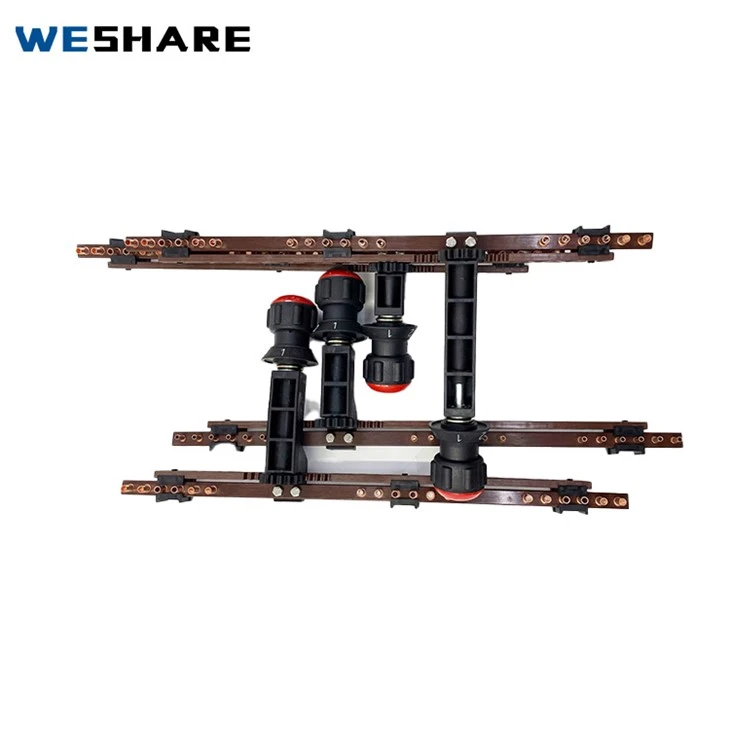
Transformers Tap Changer are designed to change the tap position while the transformer is energized and under load. This allows for continuous voltage regulation without interrupting the power supply. On the other hand, off - load tap changers require the transformer to be de - energized before changing the tap position.
Common Symptoms of Tap Changer Problems
The first step in troubleshooting is to identify the symptoms of a problem. Here are some common signs that your transformer tap changer may be malfunctioning:
1. Voltage Fluctuations
If you notice significant and unexpected voltage fluctuations at the transformer output, it could be a sign of a tap changer issue. The tap changer may not be adjusting the turns ratio correctly, leading to inconsistent voltage levels.

2. Arcing or Sparking
Arcing or sparking around the tap changer is a serious problem. It can be caused by poor contact between the tap changer contacts, overheating, or the presence of contaminants. Arcing can damage the tap changer components and pose a safety hazard.
3. Unusual Noises
Strange noises such as grinding, clicking, or humming coming from the tap changer can indicate mechanical problems. These noises may be due to worn - out gears, loose components, or misalignment.
4. Failure to Change Taps
If the tap changer fails to change taps when commanded, it could be due to electrical or mechanical issues. This can prevent the transformer from regulating the voltage effectively.
Troubleshooting Steps
1. Visual Inspection
The first step in troubleshooting is a thorough visual inspection. Check for any signs of physical damage, such as cracks, loose connections, or burnt components. Look for signs of arcing or sparking, such as blackened or pitted contacts. Inspect the oil level and quality if the tap changer is oil - immersed. Low oil level or contaminated oil can cause problems with the tap changer operation.
2. Electrical Testing
Perform electrical tests to check the integrity of the tap changer circuits. Use a multimeter to measure the resistance between the tap changer contacts. High resistance can indicate poor contact or a broken connection. Check the insulation resistance of the tap changer windings to ensure there are no short - circuits.
3. Mechanical Inspection
Inspect the mechanical components of the tap changer, such as gears, levers, and linkages. Look for signs of wear and tear, such as broken teeth on gears or bent levers. Check the alignment of the components to ensure smooth operation. Lubricate the moving parts if necessary.
4. Control System Check
The tap changer is controlled by a control system, which may include relays, sensors, and a control panel. Check the control system for any faults. Test the relays to ensure they are functioning correctly. Check the sensors for accurate readings. Verify that the control panel is sending the correct commands to the tap changer.
5. Oil Analysis
If the tap changer is oil - immersed, perform an oil analysis. Analyze the oil for contaminants, such as moisture, acids, and particulate matter. High levels of contaminants can cause insulation breakdown and damage the tap changer components.
Specific Troubleshooting for On - Load Tap Changers
Load Tap Changing Transformer have some unique issues that need to be addressed.
1. Transition Resistance
The transition resistance in an OLTC is used to limit the current during the tap - changing process. If the transition resistance is too high or too low, it can cause problems. Measure the transition resistance and compare it with the manufacturer's specifications.
2. Selector Switch
The selector switch in an OLTC is responsible for selecting the appropriate tap position. Check the selector switch for proper operation. Look for signs of wear on the contacts and ensure that the switch is making good contact.
3. Motor Drive
The motor drive in an OLTC is used to move the tap changer contacts. Check the motor for proper operation. Look for signs of overheating, such as a burnt smell or discolored windings. Test the motor's electrical connections and control signals.
Specific Troubleshooting for Off - Load Tap Changers
Off - load tap changers are simpler in design but still require proper troubleshooting.
1. Locking Mechanism
The locking mechanism in an off - load tap changer is used to hold the tap position in place. Check the locking mechanism for proper operation. Ensure that it is securely locking the tap position and that there is no play in the mechanism.
2. Manual Operation
Since off - load tap changers are manually operated, check the ease of manual operation. If it is difficult to turn the tap changer handle, there may be a mechanical problem, such as a jammed gear or a misaligned component.
Preventive Maintenance
Preventive maintenance is key to avoiding tap changer problems. Here are some preventive maintenance tips:
1. Regular Inspections
Perform regular visual and electrical inspections of the tap changer. This can help detect problems early before they become serious.
2. Oil Changes
If the tap changer is oil - immersed, change the oil at regular intervals. This can help prevent contamination and ensure proper insulation.
3. Lubrication
Lubricate the moving parts of the tap changer at regular intervals. This can help reduce wear and tear and ensure smooth operation.
4. Calibration
Calibrate the tap changer control system at regular intervals. This can help ensure accurate voltage regulation.
Conclusion
Troubleshooting a transformer tap changer requires a systematic approach. By understanding the common symptoms, performing thorough inspections, and following the appropriate troubleshooting steps, you can identify and resolve tap changer problems effectively. As a Load Tap Changers For Transformers supplier, we are committed to providing high - quality tap changers and technical support to our customers. If you are experiencing problems with your tap changer or are interested in purchasing a new one, please feel free to contact us for further discussion and procurement.
References
- Electrical Power Systems: Design and Analysis by Turan Gonen
- Transformer Engineering: Design, Technology, and Diagnostics by G. S. Sidhu