


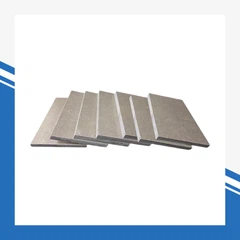




Silicon steel sheets, also known as electrical steel sheets, are a crucial material in the electrical industry. As a supplier of grade silicon steel sheets, I have witnessed firsthand the significance of their magnetic properties in various applications. In this blog, I will delve into the magnetic properties of grade silicon steel sheets, exploring their characteristics, applications, and the factors that influence them.
Understanding the Basics of Magnetic Properties
Magnetic properties are the characteristics of a material that determine how it responds to a magnetic field. In the case of silicon steel sheets, these properties are of utmost importance as they are primarily used in the construction of electrical devices such as transformers, motors, and generators. The two main magnetic properties of silicon steel sheets are magnetic permeability and core loss.
Magnetic Permeability
Magnetic permeability is a measure of how easily a material can be magnetized. It is defined as the ratio of the magnetic flux density (B) to the magnetic field strength (H) in a material. A high magnetic permeability indicates that a material can be easily magnetized, while a low magnetic permeability means that it is more difficult to magnetize.
Silicon steel sheets have a high magnetic permeability, which makes them ideal for use in electrical devices. This property allows the sheets to efficiently conduct magnetic flux, reducing energy losses and improving the overall efficiency of the device. The high magnetic permeability of silicon steel sheets is due to the presence of silicon in the steel. Silicon increases the electrical resistivity of the steel, which reduces eddy current losses and improves the magnetic properties.
Core Loss
Core loss is the energy dissipated as heat in a magnetic material when it is subjected to a changing magnetic field. It consists of two components: hysteresis loss and eddy current loss.
Hysteresis loss occurs when the magnetic domains in a material are repeatedly reoriented as the magnetic field changes. This process requires energy, which is dissipated as heat. The hysteresis loss in silicon steel sheets is minimized by using a material with a narrow hysteresis loop. A narrow hysteresis loop means that less energy is required to reorient the magnetic domains, resulting in lower hysteresis losses.
Eddy current loss is caused by the induction of circulating currents, known as eddy currents, in the material when it is exposed to a changing magnetic field. These currents generate heat, which is dissipated from the material. Eddy current losses can be reduced by increasing the electrical resistivity of the material. As mentioned earlier, the addition of silicon to the steel increases its electrical resistivity, which helps to reduce eddy current losses.
Factors Affecting the Magnetic Properties of Grade Silicon Steel Sheets
Several factors can affect the magnetic properties of grade silicon steel sheets. These factors include the chemical composition of the steel, the manufacturing process, and the heat treatment.
Chemical Composition
The chemical composition of the silicon steel sheet plays a crucial role in determining its magnetic properties. As mentioned earlier, the addition of silicon to the steel increases its electrical resistivity and magnetic permeability. However, the amount of silicon added must be carefully controlled, as too much silicon can make the steel brittle and difficult to process.
Other elements, such as carbon, manganese, and phosphorus, can also affect the magnetic properties of the steel. Carbon, for example, can reduce the magnetic permeability of the steel and increase its core loss. Therefore, the carbon content in silicon steel sheets is typically kept low.
Manufacturing Process
The manufacturing process of the silicon steel sheet can also have a significant impact on its magnetic properties. The sheet is typically produced by hot rolling and cold rolling processes. The hot rolling process helps to refine the grain structure of the steel, which can improve its magnetic properties. The cold rolling process further reduces the thickness of the sheet and improves its surface finish.
The rolling direction can also affect the magnetic properties of the sheet. Silicon steel sheets are often produced with a preferred grain orientation, known as grain-oriented silicon steel. This type of steel has a higher magnetic permeability in the rolling direction, which makes it ideal for use in transformers and other electrical devices where the magnetic flux is mainly in one direction.
Heat Treatment
Heat treatment is an important step in the manufacturing process of silicon steel sheets. It helps to relieve internal stresses in the sheet and improve its magnetic properties. The heat treatment process typically involves annealing the sheet at a high temperature for a specific period of time.


The annealing temperature and time can have a significant impact on the magnetic properties of the sheet. A proper annealing process can reduce the core loss and improve the magnetic permeability of the sheet. However, if the annealing process is not carried out correctly, it can lead to a deterioration of the magnetic properties.
Applications of Grade Silicon Steel Sheets Based on Their Magnetic Properties
The unique magnetic properties of grade silicon steel sheets make them suitable for a wide range of applications in the electrical industry. Some of the common applications include:
Transformers
Transformers are one of the most important applications of grade silicon steel sheets. The high magnetic permeability and low core loss of the sheets allow transformers to efficiently transfer electrical energy from one circuit to another. Grain-oriented silicon steel is often used in the core of power transformers, where the magnetic flux is mainly in one direction. This helps to reduce the core loss and improve the efficiency of the transformer. For more information on transformer cores, you can visit High Frequency Transformer Core.
Motors and Generators
Motors and generators also rely on the magnetic properties of silicon steel sheets. The sheets are used to construct the stator and rotor cores of these devices. The high magnetic permeability of the sheets allows the motors and generators to generate a strong magnetic field, which is essential for their operation. The low core loss helps to reduce the energy consumption and improve the efficiency of the devices.
Inductors and Chokes
Inductors and chokes are passive electronic components that are used to store energy in a magnetic field. Silicon steel sheets are often used in the cores of these components due to their high magnetic permeability and low core loss. This allows the inductors and chokes to efficiently store and release energy, which is important for their performance.
Comparing Grade Silicon Steel Sheets with Other Magnetic Materials
While grade silicon steel sheets are widely used in the electrical industry, there are other magnetic materials available that can be used in certain applications. One such material is amorphous steel.
Amorphous steel has a disordered atomic structure, which gives it unique magnetic properties. It has a very low core loss, which makes it ideal for use in high-efficiency transformers. However, amorphous steel is more expensive than silicon steel sheets, and it is also more difficult to process. You can find more information about Amorphous Transformer Price.
Another material that is sometimes used in electrical devices is ferrite. Ferrite is a ceramic material that has a high magnetic permeability and low electrical conductivity. It is often used in high-frequency applications, such as in the cores of high-frequency transformers. However, ferrite has a lower saturation flux density than silicon steel sheets, which limits its use in applications where a high magnetic field is required.
Conclusion
In conclusion, the magnetic properties of grade silicon steel sheets are of utmost importance in the electrical industry. Their high magnetic permeability and low core loss make them ideal for use in a wide range of electrical devices, including transformers, motors, and generators. The magnetic properties of the sheets are influenced by several factors, including the chemical composition, manufacturing process, and heat treatment.
As a supplier of grade silicon steel sheets, I understand the importance of providing high-quality products that meet the specific requirements of our customers. Whether you are looking for grain-oriented silicon steel for power transformers or non-oriented silicon steel for motors, we have the expertise and resources to provide you with the right solution.
If you are interested in purchasing grade silicon steel sheets for your electrical applications, I encourage you to contact us for a detailed discussion. Our team of experts will be happy to assist you in selecting the right product and providing you with the best possible service.
References
- Cullity, B. D., & Graham, C. D. (2008). Introduction to Magnetic Materials. Wiley-IEEE Press.
- Zijlstra, H. (1995). Magnetic Materials and Their Applications. Chapman & Hall.
- Furlani, E. P. (2001). Permanent Magnet and Electromechanical Devices: Materials, Analysis, and Applications. Academic Press.