







As a supplier of electrical steel sheets, I understand the critical importance of proper storage to prevent oxidation. Oxidation can significantly degrade the performance and quality of electrical steel sheets, leading to reduced efficiency in electrical equipment such as transformers and motors. In this blog, I will share some effective strategies for storing electrical steel sheets to keep them in optimal condition.
Understanding Oxidation of Electrical Steel Sheets
Electrical steel sheets, also known as silicon steel sheets, are prone to oxidation due to their iron content. When exposed to oxygen and moisture in the air, iron reacts to form iron oxide, commonly known as rust. This oxidation process can be accelerated by factors such as high humidity, temperature variations, and the presence of contaminants.
The consequences of oxidation on electrical steel sheets are far - reaching. It can increase the core loss in transformers and reduce the magnetic properties of the steel, which in turn affects the efficiency and performance of electrical devices. As a result, ensuring proper storage to prevent oxidation is essential for maintaining the quality of our products and meeting the needs of our customers.


Proper Storage Environment
Temperature and Humidity Control
One of the most crucial factors in preventing oxidation is controlling the storage environment. The ideal temperature for storing electrical steel sheets is between 10°C and 30°C. Extreme temperatures can cause thermal expansion and contraction, which may damage the protective coatings on the sheets and expose them to oxidation.
Humidity is another critical factor. High humidity provides the moisture necessary for the oxidation reaction to occur. The relative humidity in the storage area should be kept below 60%. To achieve this, dehumidifiers can be used in areas where the natural humidity is high. Additionally, air - conditioning systems can help maintain a stable temperature and humidity level.
Ventilation
Proper ventilation is also essential. Stagnant air can trap moisture and contaminants, increasing the risk of oxidation. The storage area should be well - ventilated to allow fresh air to circulate. However, it is important to ensure that the incoming air is clean and free from pollutants such as dust, sulfur dioxide, and other corrosive gases. Air filters can be installed in ventilation systems to remove these contaminants.
Storage Location
The storage location should be dry and away from sources of water, such as leaky roofs, pipes, or open water bodies. It is also advisable to store the electrical steel sheets off the ground to prevent contact with moisture that may accumulate on the floor. Pallets can be used to elevate the sheets, and they should be placed on a flat and stable surface.
Packaging and Protection
Packaging Materials
The choice of packaging materials is crucial for protecting electrical steel sheets from oxidation. The sheets are typically wrapped in plastic film or paper to provide a physical barrier against moisture and oxygen. The plastic film should be of high - quality and have good moisture - resistant properties. Some plastic films are also treated with anti - oxidant agents to further enhance their protection.
In addition to plastic film, steel sheets can also be packed in wooden crates or metal containers. These containers provide additional protection against physical damage and can be sealed to prevent the entry of air and moisture.
Coating and Greasing
Applying a protective coating or grease to the electrical steel sheets is another effective way to prevent oxidation. There are various types of coatings available, such as epoxy coatings, zinc coatings, and phosphate coatings. These coatings form a protective layer on the surface of the steel, preventing oxygen and moisture from coming into contact with the iron.
Greasing is also a common practice. A thin layer of anti - rust grease is applied to the surface of the sheets, which provides a barrier against oxidation. The grease should be compatible with the electrical properties of the steel and should not cause any adverse effects on the performance of the electrical equipment.
Handling and Inspection
Handling
Proper handling of electrical steel sheets during storage is essential to prevent damage to the protective coatings. When moving the sheets, care should be taken to avoid scratching or denting the surface, as these damages can expose the steel to oxidation. Forklifts and other handling equipment should be used with appropriate attachments to ensure gentle handling.
Inspection
Regular inspection of the stored electrical steel sheets is necessary to detect any signs of oxidation or damage early. The inspection should include checking the integrity of the packaging, the condition of the protective coatings, and the overall appearance of the sheets. If any signs of oxidation are detected, appropriate measures should be taken immediately, such as re - coating or re - packaging the sheets.
Industry Applications
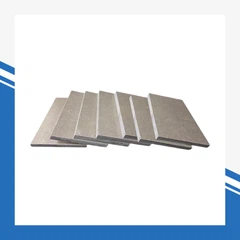
Electrical steel sheets are widely used in various industries, especially in the manufacturing of transformers and motors. For example, Non Oriented Silicon Steel Sheet is commonly used in motors because of its excellent magnetic properties in all directions. Oil - immersed transformers core and Oil immersed transformer Silicon steel Plate are crucial components in power transmission and distribution systems. Ensuring the quality of these electrical steel sheets through proper storage is essential for the reliable operation of these equipment.
Conclusion
In conclusion, preventing oxidation of electrical steel sheets is a multi - faceted process that requires careful attention to the storage environment, packaging, handling, and inspection. By implementing the strategies outlined in this blog, we can effectively reduce the risk of oxidation and ensure that our electrical steel sheets maintain their high quality and performance.
If you are in need of high - quality electrical steel sheets or have any questions about storage or product specifications, please feel free to contact us. We are committed to providing you with the best products and services to meet your needs.
References
- ASM Handbook Committee. (2004). ASM Handbook Volume 13C: Corrosion: Environments and Industries. ASM International.
- Degarmo, E. P., Black, J. T., & Kohser, R. A. (2003). Materials and Processes in Manufacturing. John Wiley & Sons.
- Powell, H. T. (2005). Electrical Steel Production and Application. Elsevier.