


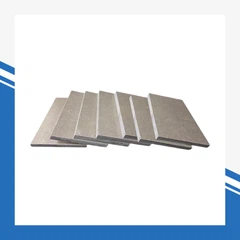




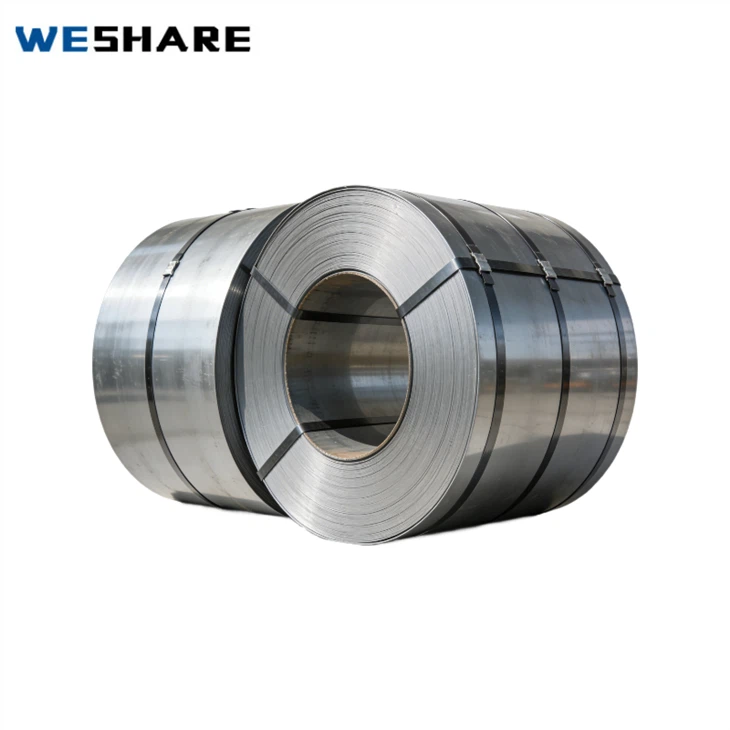
Electrical steel sheets, also known as silicon steel sheets, are a vital component in the electrical industry. Their unique properties make them indispensable for applications such as motors, generators, and Transformer cores. As a leading supplier of electrical steel sheets, I will provide an in - depth exploration of their thermal properties in this blog.
Thermal Conductivity
The thermal conductivity of electrical steel sheets is an important characteristic. It determines how efficiently heat can be transferred through the material. In general, electrical steel sheets have a thermal conductivity that is relatively lower compared to some pure metals like copper or aluminum. The addition of silicon, which is a key alloying element in electrical steel, affects the thermal conductivity. Silicon increases the electrical resistivity of the steel, which is beneficial in reducing eddy current losses, but it also has an impact on heat transfer.
Typically, the thermal conductivity of electrical steel sheets ranges from about 15 - 50 W/(m·K), depending on the specific composition and processing of the steel. For example, non - oriented electrical steel may have a thermal conductivity on the lower end of this range, while some high - grade oriented electrical steel might be closer to the upper end.
The relatively low thermal conductivity of electrical steel sheets can present challenges in applications where efficient heat dissipation is required. In motors and generators, for instance, heat is generated due to electrical losses (such as copper losses and iron losses). If the heat cannot be dissipated effectively, it can lead to an increase in the operating temperature of the device, which may reduce its efficiency and lifespan. To address this issue, additional cooling methods such as air - cooling, water - cooling, or oil - cooling are often employed.
Thermal Expansion
Another crucial thermal property of electrical steel sheets is thermal expansion. When the temperature of the electrical steel sheet changes, it will expand or contract. The coefficient of thermal expansion (CTE) is a measure of how much the material will change in size per unit change in temperature.
The CTE of electrical steel sheets is typically in the range of 6 - 12×10⁻⁶ /K. This value can vary depending on factors such as the silicon content, grain size, and the manufacturing process. Oriented electrical steel, which has a specific grain orientation to optimize magnetic properties, may have a slightly different CTE compared to non - oriented electrical steel.
In practical applications, the thermal expansion of electrical steel sheets needs to be carefully considered. In Transformer cores, for example, mismatches in the thermal expansion between different layers of the core or between the core and other components can lead to mechanical stresses. These stresses can cause the deformation of the core, which may affect its magnetic performance and even lead to insulation failure. To mitigate these issues, designers often choose materials with compatible CTE values and use appropriate assembly techniques.
Thermal Stability
Thermal stability refers to the ability of electrical steel sheets to maintain their physical and magnetic properties over a wide range of temperatures. Electrical steel sheets are designed to operate within a certain temperature range. If the temperature exceeds this range, the material's performance may degrade.
One of the main concerns regarding thermal stability is the change in magnetic properties. As the temperature increases, the saturation magnetization of the electrical steel sheet may decrease, and the coercivity may increase. These changes can lead to reduced efficiency and increased losses in electrical devices.
For example, in high - temperature applications, such as in some industrial motors or power transformers operating in hot environments, the thermal stability of the electrical steel sheet becomes crucial. Manufacturers need to ensure that the material can maintain its performance within the expected temperature range. This may involve using special heat - resistant coatings or optimizing the alloy composition to improve thermal stability.
Impact of Thermal Properties on Different Applications
Motors and Generators
In motors and generators, the thermal properties of electrical steel sheets play a significant role in determining their performance. The low thermal conductivity means that heat generated during operation needs to be managed effectively. If the heat builds up, it can cause the insulation of the windings to degrade, leading to short - circuits and potential failure of the device.
The thermal expansion of the electrical steel sheets also affects the mechanical integrity of the motor or generator. As the temperature changes during startup, normal operation, and shutdown, the expansion and contraction of the core can cause mechanical stresses on the stator and rotor. This may lead to noise, vibration, and reduced efficiency over time. To ensure reliable operation, engineers need to design proper cooling systems and use mechanical fixtures that can accommodate the thermal expansion.
Transformers
Transformers are another major application area for electrical steel sheets. The thermal conductivity of the core material affects the overall heat transfer within the transformer. Efficient heat transfer is essential to maintain the transformer's temperature within a safe operating range.
In Transformer cores, the thermal expansion of the electrical steel sheets can cause problems in the core lamination structure. If the expansion is not properly accounted for, it can lead to the loosening of the laminations, which may increase eddy current losses and reduce the magnetic efficiency of the transformer. Additionally, the thermal stability of the electrical steel is crucial for long - term operation. Transformers need to maintain their performance over decades, and thermal degradation can significantly impact their lifespan.
Oriented and Non - Oriented Electrical Steel
Oriented electrical steel is specifically designed to have enhanced magnetic properties in a particular direction. This orientation not only affects the magnetic performance but also has an influence on the thermal properties. Oriented electrical steel typically has a more uniform grain structure, which can result in somewhat different thermal conductivity and expansion characteristics compared to non - oriented electrical steel.
Non - oriented electrical steel, on the other hand, has more isotropic properties. It is commonly used in applications where magnetic fields are present in multiple directions, such as in some motors. The differences in thermal properties between these two types of electrical steel need to be considered when selecting the appropriate material for a specific application.
EI Core and Its Thermal Considerations
EI Core is a popular type of transformer core design. It consists of E - shaped and I - shaped laminations of electrical steel. In an EI core, the thermal properties of the electrical steel are critical for its performance.
The assembly of the EI core involves stacking multiple laminations together. The thermal expansion of the laminations can cause stress at the interfaces between the E and I parts. If the thermal expansion is not well - controlled, it can lead to gaps or misalignments in the core, which will affect the magnetic flux distribution and increase losses.
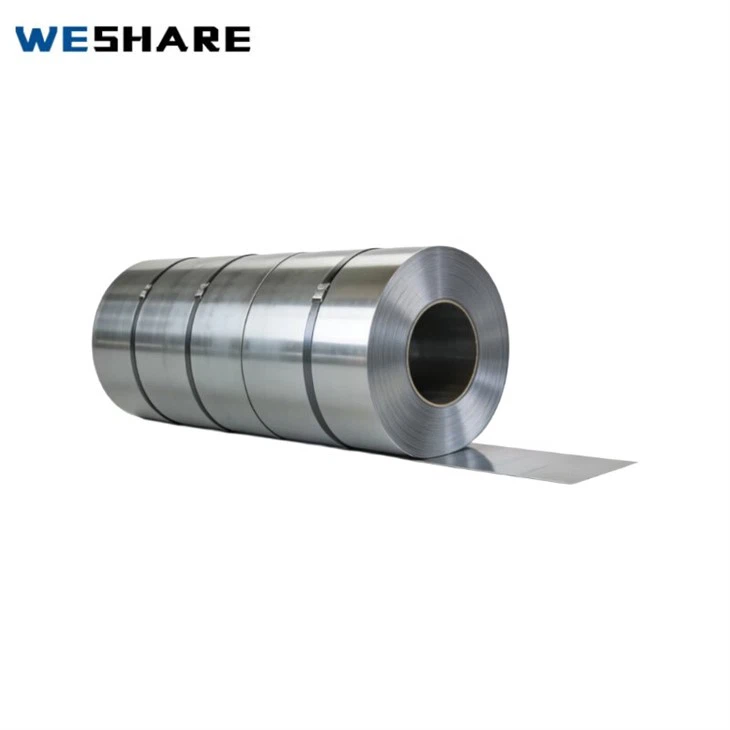
Moreover, the heat generated in the EI core needs to be dissipated effectively. The relatively low thermal conductivity of the electrical steel requires proper design of the cooling channels or the use of heat sinks to ensure that the core temperature remains within the acceptable range.
Conclusion and Call to Action
Understanding the thermal properties of electrical steel sheets is essential for the design and operation of electrical devices. These properties impact the efficiency, reliability, and lifespan of motors, generators, and transformers. As a trusted supplier of electrical steel sheets, we are committed to providing high - quality products with well - characterized thermal properties.
Our team of experts is available to assist you in selecting the most suitable electrical steel sheets for your specific application. Whether you need oriented or non - oriented electrical steel, or a specific core design like the EI core, we have the knowledge and resources to meet your requirements.
If you are interested in learning more about our electrical steel sheet products or would like to discuss a potential purchase, please feel free to reach out to us. We look forward to the opportunity to work with you and contribute to the success of your electrical projects.
References
- "Electrical Steel: Properties and Applications" - A technical manual on electrical steel published by a leading industry research institute.
- "Thermal Management in Electrical Devices" - A book that covers the principles of heat transfer and thermal design in electrical equipment.
- Industry - specific research papers on the thermal behavior of electrical steel sheets in various applications such as motors, generators, and transformers.