










Hey there! As a supplier of transformer cores, I've been getting a lot of questions lately about how these cores handle hierarchical information in text. It's a super interesting topic, and I'm excited to share my insights with you.
First off, let's talk about what we mean by "hierarchical information in text." In simple terms, it's the way different parts of a text are organized in a structured manner, with some elements being more important or higher - level than others. For example, in a news article, the headline is usually the top - level information, followed by the lead paragraph, and then the detailed body text.
So, how does a transformer core come into play here? Well, in the world of natural language processing (NLP), transformers are a type of neural network architecture that have revolutionized the field. And at the heart of these transformers is the transformer core, which is designed to process text in a way that can capture this hierarchical information.
One of the key features of a transformer core is its ability to use self - attention mechanisms. Self - attention allows the model to weigh the importance of different words in a sequence relative to each other. This is crucial for understanding hierarchical information because it helps the model figure out which words are more relevant to the overall meaning of the text.
Let's say we have a sentence like "The big, red apple on the table is delicious." With self - attention, the transformer core can determine that "apple" is the central entity, and words like "big" and "red" are descriptive of it. The phrase "on the table" provides additional context about the location of the apple. By assigning different weights to these words, the core can understand the hierarchical relationship between them.
Another aspect is the use of multi - layer architectures in transformer cores. These multi - layer designs allow the model to build up a more complex understanding of the text. Each layer can extract different levels of information. For instance, the first layer might focus on basic word - level features, like the part of speech of each word. As we move up the layers, the model can start to understand more complex relationships, such as semantic and syntactic structures.
This multi - layer approach is similar to how we humans process information. We start with the basic building blocks (words) and then gradually build up to understand the overall meaning of a sentence, a paragraph, or an entire document. The transformer core mimics this process, making it very effective at handling hierarchical information.
Now, let's talk about the materials used in transformer cores. We offer a variety of high - quality options, such as Non Oriented EI Sheet. These sheets are made from electrical steel, which has excellent magnetic properties. This means that the core can efficiently transfer energy and perform well in different applications.
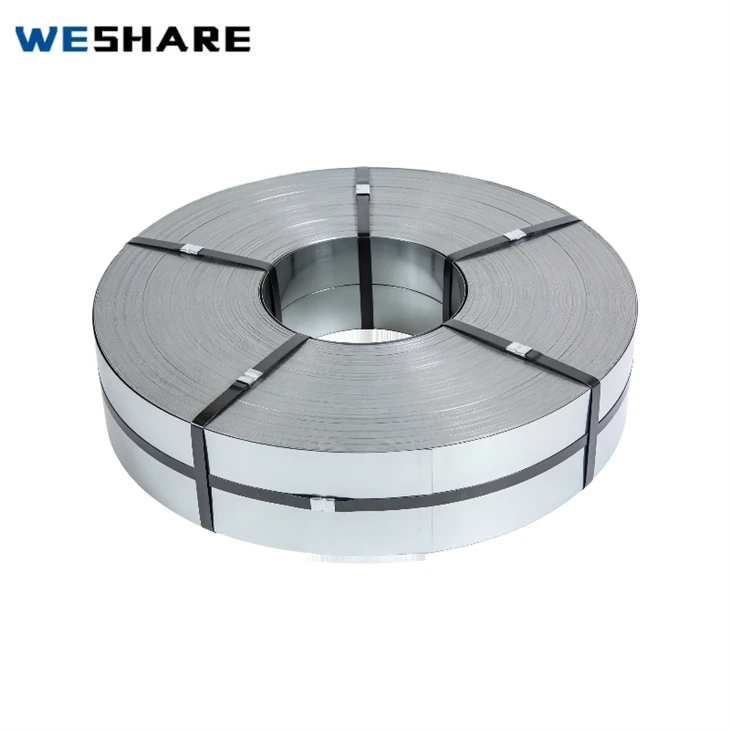
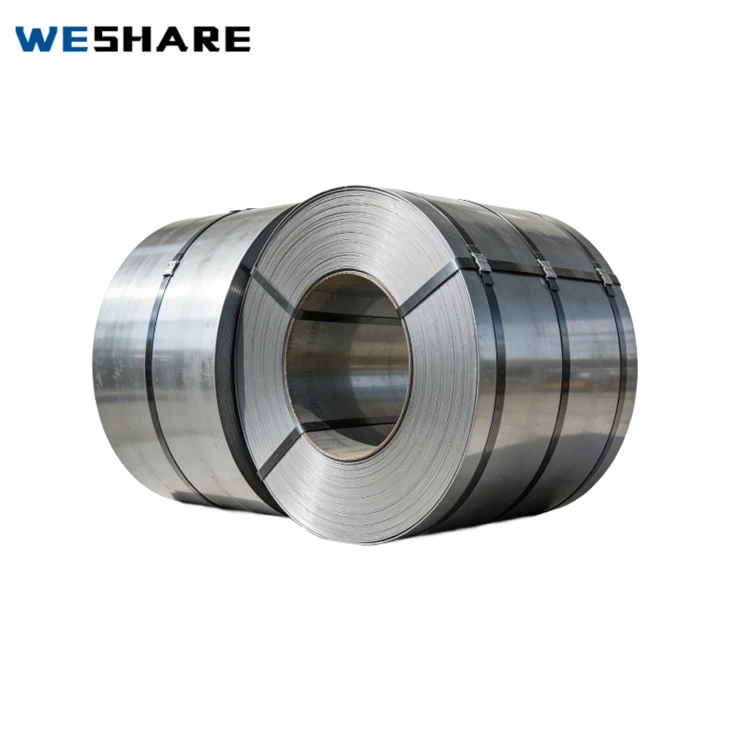
Another great option is the Toroidal Amorphous Core. Amorphous materials have unique characteristics that make them ideal for transformer cores. They have low core losses, which means less energy is wasted during operation. This is not only good for the environment but also for reducing costs in the long run.
The Electrical Steel we use is also top - notch. It's carefully selected and processed to ensure high performance. The quality of the electrical steel directly impacts the efficiency and reliability of the transformer core.
In the context of handling hierarchical information in text, the quality of the transformer core matters a lot. A well - designed core can process information more accurately and efficiently, which is crucial for tasks like text classification, summarization, and translation.
For example, in text classification, the transformer core needs to understand the hierarchical structure of the text to determine which category it belongs to. If the core is made of high - quality materials and has a good design, it can better capture the nuances in the text and make more accurate classifications.
In text summarization, the core has to identify the most important parts of the text. By understanding the hierarchical relationships between different sentences and paragraphs, it can extract the key information and generate a concise summary.
Translation is another area where the ability to handle hierarchical information is vital. The transformer core needs to understand the structure and meaning of the source text to produce an accurate translation. A high - quality core can handle complex sentence structures and semantic relationships more effectively.
If you're in the market for a transformer core, whether it's for NLP applications or other uses, we're here to help. Our team of experts can provide you with detailed information about our products and help you choose the right core for your specific needs. We understand that every project is unique, and we're committed to providing the best solutions.
So, if you're interested in learning more about our transformer cores or want to discuss a potential purchase, don't hesitate to reach out. We're always happy to have a chat and see how we can work together to meet your requirements.
In conclusion, the transformer core plays a crucial role in handling hierarchical information in text. Through self - attention mechanisms, multi - layer architectures, and the use of high - quality materials, it can efficiently process and understand the complex structure of text. Whether you're working on NLP projects or other applications, a good transformer core is essential for achieving optimal results.
References
- Vaswani, A., Shazeer, N., Parmar, N., Uszkoreit, J., Jones, L., Gomez, A. N., ... & Polosukhin, I. (2017). Attention is all you need. Advances in neural information processing systems.
- Devlin, J., Chang, M. W., Lee, K., & Toutanova, K. (2018). BERT: Pre - training of deep bidirectional transformers for language understanding. arXiv preprint arXiv:1810.04805.