








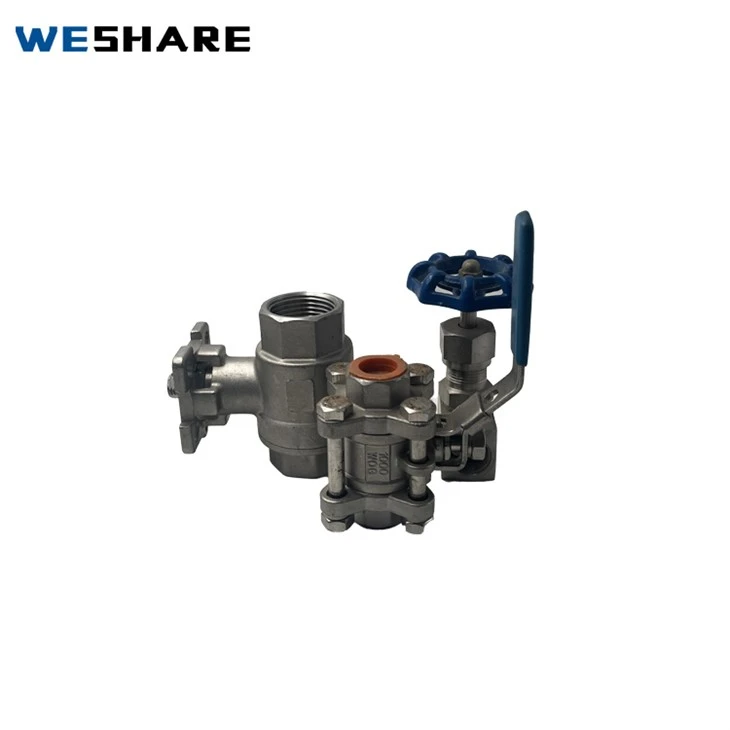
Oil leakage from a gate valve for transformers is a serious issue that can lead to significant problems, including environmental contamination, equipment damage, and safety hazards. As a trusted supplier of gate valves for transformers, we understand the importance of having effective emergency handling measures in place. In this blog post, we will discuss the key steps and strategies for dealing with oil leakage from a transformer gate valve.
Immediate Response
The first and most crucial step in handling oil leakage is to initiate an immediate response. As soon as the leakage is detected, the following actions should be taken:
- Isolate the Area: Restrict access to the area where the oil leakage is occurring to prevent any potential safety risks. Use warning signs and barriers to cordon off the area.
- Shut Down the Transformer: If possible, shut down the transformer to stop the flow of oil. This can help prevent further leakage and reduce the risk of fire or explosion.
- Notify Relevant Personnel: Inform the appropriate personnel, such as maintenance teams, safety officers, and environmental protection agencies, about the oil leakage. Provide them with detailed information about the location, extent, and nature of the leakage.
Containment and Cleanup
Once the immediate response has been initiated, the next step is to contain and clean up the leaked oil. The following measures can be taken to achieve this:
- Use Absorbent Materials: Place absorbent materials, such as oil booms, pads, and pillows, around the leakage site to contain the oil and prevent it from spreading. These materials can absorb the oil and prevent it from seeping into the ground or water sources.
- Collect the Leaked Oil: Use appropriate equipment, such as pumps, vacuum trucks, and skimmers, to collect the leaked oil. Ensure that the collected oil is properly stored and disposed of in accordance with environmental regulations.
- Clean the Affected Area: After the leaked oil has been collected, clean the affected area using appropriate cleaning agents and equipment. This can help remove any remaining oil and prevent contamination.
Repair and Maintenance
Once the oil leakage has been contained and cleaned up, the next step is to repair the gate valve and prevent future leaks. The following measures can be taken to achieve this:
- Inspect the Gate Valve: Conduct a thorough inspection of the gate valve to identify the cause of the leakage. This can help determine the appropriate repair or replacement measures.
- Repair or Replace the Gate Valve: Depending on the extent of the damage, the gate valve may need to be repaired or replaced. Ensure that the repair or replacement is carried out by qualified personnel using appropriate tools and materials.
- Implement Preventive Maintenance Measures: To prevent future oil leakage, implement a preventive maintenance program for the gate valve. This can include regular inspections, lubrication, and replacement of worn parts.
Safety Considerations
Throughout the emergency handling process, it is important to prioritize safety. The following safety considerations should be taken into account:

- Wear Personal Protective Equipment (PPE): Ensure that all personnel involved in the emergency handling process wear appropriate PPE, such as gloves, goggles, and respirators, to protect themselves from the hazards associated with oil leakage.
- Follow Safety Procedures: Follow all safety procedures and guidelines when handling the leaked oil and repairing the gate valve. This can help prevent accidents and injuries.
- Monitor the Environment: Monitor the environment around the leakage site to ensure that there is no further contamination. This can help prevent any potential environmental damage.
Conclusion
Oil leakage from a gate valve for transformers is a serious issue that requires immediate attention. By implementing the emergency handling measures discussed in this blog post, you can minimize the impact of the leakage and prevent any potential problems. As a supplier of gate valves for transformers, we are committed to providing our customers with high-quality products and services. If you have any questions or concerns about oil leakage or the emergency handling measures, please do not hesitate to contact us for procurement and discussion. We will be happy to assist you.
References
- American Petroleum Institute. (2019). API Recommended Practice 571, Damage Mechanisms Affecting Fixed Equipment in the Refining Industry.
- International Electrotechnical Commission. (2017). IEC 60076-1: Power transformers - Part 1: General.
- National Fire Protection Association. (2018). NFPA 30: Flammable and Combustible Liquids Code.