







Yo, what's up everyone! I'm a supplier of transformer cores, and today I wanna talk about the role of the memory mechanism in the Transformer core. It's a super interesting topic that's gonna help you understand how these cores work and why they matter.
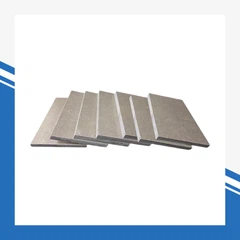
First off, let's break down what a Transformer core is. It's basically the heart of a transformer, which is a device that transfers electrical energy between two or more circuits through electromagnetic induction. The core is made of materials like CRGO Silicon Steel, Oil immersed transformer Silicon steel Plate, or Round Amorphous Core. These materials have special magnetic properties that allow them to efficiently transfer and transform electrical energy.
Now, let's get into the memory mechanism. You might be thinking, "Memory? In a transformer core? What's that all about?" Well, the memory mechanism in a Transformer core refers to its ability to retain a certain magnetic state even after the external magnetic field is removed. This is crucial for the proper functioning of transformers.
One of the key roles of the memory mechanism is in the process of magnetization and demagnetization. When an alternating current (AC) is applied to the primary winding of a transformer, it creates an alternating magnetic field in the core. The core then gets magnetized and demagnetized in sync with the changing magnetic field. The memory of the core helps it to quickly respond to these changes and maintain an efficient transfer of energy.
For example, let's say we have a transformer that's used in a power grid. The power grid has a constantly changing load, which means the amount of electrical energy being transferred varies. The memory mechanism in the transformer core allows it to adapt to these changes. When the load increases, the core can quickly increase its magnetization to transfer more energy. And when the load decreases, it can demagnetize and reduce the energy transfer accordingly.
Another important role of the memory mechanism is in reducing energy losses. In a transformer, there are two main types of energy losses: copper losses and core losses. Core losses are caused by the magnetization and demagnetization of the core. If the core has a good memory mechanism, it can reduce the amount of energy wasted during these processes.
Think of it like this: when you try to change the magnetic state of a material, it takes some energy. If the material has a strong memory, it doesn't need as much energy to change its state back and forth. This means less energy is lost as heat, making the transformer more efficient.
The memory mechanism also affects the performance of the transformer in terms of its frequency response. Different applications require transformers to operate at different frequencies. The memory of the core can influence how well the transformer can handle these different frequencies. A core with a good memory can maintain its magnetic properties over a wide range of frequencies, which is really important for things like high - frequency power supplies or communication transformers.


Now, as a transformer core supplier, I know how crucial it is to have cores with a reliable memory mechanism. That's why we carefully select the materials and manufacturing processes to ensure that our cores have the best possible magnetic memory. We use advanced testing methods to measure the memory properties of the cores and make sure they meet the high standards required by our customers.
Whether you're in the power generation, distribution, or electronics industry, having a high - quality transformer core with a good memory mechanism can make a huge difference in the performance and efficiency of your equipment. If you're looking for a reliable supplier of transformer cores, we're here to help. We can provide you with cores made from different materials, including the ones I mentioned earlier, and customize them to meet your specific needs.
So, if you're interested in learning more about our transformer cores or getting a quote for your project, don't hesitate to reach out. We're always happy to have a chat and discuss how we can help you with your transformer core needs. Let's work together to make your electrical systems more efficient and reliable!
References
- Principles of Power Electronics, by John G. Kassakian, Marco F. Schlecht, and George C. Verghese.
- Electrical Machines and Drives: A First Course, by Stephen J. Chapman.