


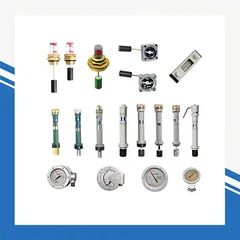





Hey there! As a supplier of transformer valves, I often get asked about what materials are used to make these essential components. So, I thought I'd take a moment to break it down for you.
The Basics of Transformer Valves
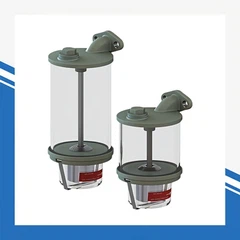
Transformer valves play a crucial role in the operation of transformers. They help regulate pressure, control the flow of oil, and ensure the safety and efficiency of the entire system. There are different types of transformer valves, such as Pressure Relief Valve for Transformer, Oil-immersed transformer valve, and Valves for transformer. Each type has its own specific functions and requirements, which also influence the choice of materials.
Common Materials Used
Steel
Steel is one of the most commonly used materials for transformer valves. It's strong, durable, and can withstand high pressures and temperatures. Carbon steel is often used for general-purpose valves because it's relatively inexpensive and has good mechanical properties. Stainless steel, on the other hand, is preferred in applications where corrosion resistance is a major concern. For example, in outdoor transformers or those exposed to harsh environments, stainless steel valves can prevent rust and ensure long-term reliability.
Cast Iron
Cast iron is another popular material for transformer valves. It's known for its excellent casting properties, which allow for the production of complex valve shapes. Cast iron valves are relatively heavy and can provide good stability. They are often used in low to medium-pressure applications. However, cast iron is more brittle compared to steel, so it may not be suitable for high-stress situations.
Brass
Brass is a copper-zinc alloy that offers good corrosion resistance and machinability. It's often used for smaller valves or valve components, such as valve stems and fittings. Brass valves are aesthetically pleasing and can be easily customized. They are also relatively easy to install and maintain.


Rubber and Elastomers
Rubber and elastomers are used in transformer valves for sealing purposes. They help prevent leaks and ensure a tight fit between different valve components. Neoprene, nitrile rubber, and EPDM are some of the commonly used elastomers. These materials can withstand a wide range of temperatures and chemical environments, making them suitable for various transformer applications.
Plastic
Plastic materials, such as polypropylene and PVC, are sometimes used in transformer valves, especially for non-critical components or in low-pressure applications. Plastic valves are lightweight, corrosion-resistant, and cost-effective. However, they may not be as strong as metal valves and may have limitations in high-temperature or high-pressure situations.
Factors Affecting Material Selection
When choosing the materials for transformer valves, several factors need to be considered:
- Pressure and Temperature: The operating pressure and temperature of the transformer system determine the strength and heat resistance requirements of the valve materials. High-pressure and high-temperature applications require materials with excellent mechanical properties.
- Corrosion Resistance: Transformers are often exposed to various environmental conditions, including moisture, chemicals, and pollutants. Therefore, the valve materials need to have good corrosion resistance to ensure long-term performance.
- Compatibility with Transformer Oil: The valve materials must be compatible with the transformer oil to prevent chemical reactions and degradation. Some materials may be affected by the oil, leading to reduced performance or even failure.
- Cost: Cost is always an important factor in material selection. While high-quality materials may offer better performance, they may also be more expensive. A balance needs to be struck between cost and performance to meet the specific requirements of the application.
Our Offerings
As a transformer valve supplier, we understand the importance of using the right materials to ensure the quality and reliability of our products. We offer a wide range of transformer valves made from different materials to meet the diverse needs of our customers. Whether you need a Pressure Relief Valve for Transformer, an Oil-immersed transformer valve, or Valves for transformer, we have the expertise and resources to provide you with the best solutions.
Why Choose Us
- Quality Assurance: We have strict quality control measures in place to ensure that all our products meet the highest standards. Our valves are tested and inspected to guarantee their performance and reliability.
- Customization: We understand that every customer has unique requirements. That's why we offer customized solutions to meet your specific needs. Whether it's a special size, material, or design, we can work with you to develop the perfect valve for your application.
- Technical Support: Our team of experts is always available to provide you with technical support and advice. We can help you choose the right valve for your transformer system and ensure its proper installation and operation.
Contact Us for Purchase
If you're in the market for transformer valves, we'd love to hear from you. Whether you have questions about our products, need a quote, or want to discuss a specific project, feel free to reach out. We're committed to providing you with the best products and services at competitive prices.
References
- ASME Boiler and Pressure Vessel Code
- ASTM International Standards for Materials
- IEEE Standards for Power Transformers