







As a supplier of transformer cores, I've spent a lot of time thinking about the different factors that can impact the performance of transformers. One aspect that often gets overlooked but is super important is the beam size and its impact on beam search in the Transformer core. Let's dig into this topic and see why it matters so much.
Understanding Beam Search in Transformer Cores
First off, what's beam search? Well, in the context of Transformer cores, beam search is a heuristic search algorithm used to find the most likely sequence of outputs. It's like looking for the best path in a maze. Instead of checking every single possible route, beam search only explores a limited number of the most promising ones at each step.
This is extremely useful in transformer applications because it helps to speed up the process of finding the optimal solution. Imagine you're trying to figure out the best way to transfer electrical energy through a transformer core. There are tons of possible configurations and paths the energy could take. Beam search narrows down these options and focuses on the ones that are most likely to be efficient.
The Role of Beam Size
The beam size is a key parameter in beam search. It determines how many of the most promising paths are explored at each step. A larger beam size means more paths are considered, which can potentially lead to a more accurate solution. But it also comes with a cost - it requires more computational resources and time.
On the other hand, a smaller beam size means fewer paths are explored. This makes the search process faster and less resource - intensive. However, it might also result in missing out on the truly optimal solution because some potentially good paths are not considered.
Impact on Transformer Core Performance
Efficiency
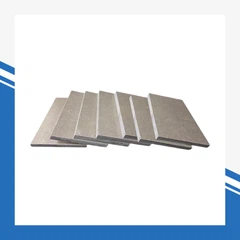
When it comes to transformer core efficiency, the beam size can have a big impact. A larger beam size allows for a more thorough exploration of different energy transfer paths. This can lead to the discovery of more efficient ways to transfer energy through the core. For example, in an Oriented silicon steel core, a larger beam size might help identify the best magnetic flux paths, reducing energy losses due to eddy currents and hysteresis.
Conversely, a smaller beam size might result in sub - optimal paths being chosen. This could lead to increased energy losses and reduced overall efficiency of the transformer.


Speed
Speed is another important factor. In applications where real - time performance is crucial, such as in power grids, a smaller beam size is often preferred. It allows for a quicker search process, enabling the transformer to respond rapidly to changes in the electrical load. For instance, in a distribution transformer with a Toroidal Amorphous Core, a smaller beam size can help the transformer adjust to sudden changes in power demand more quickly.
However, if there's more time available and accuracy is the top priority, a larger beam size can be used. This is often the case in high - end industrial transformers where precision is essential.
Cost
Cost is closely related to both efficiency and speed. A larger beam size, while potentially leading to better performance, requires more computational resources. This means higher costs for the hardware and software needed to perform the beam search. On the other hand, a smaller beam size reduces these costs but might result in lower - quality performance.
For example, if you're using an Amorphous Transformer Core, which is already more expensive than traditional cores, choosing the right beam size is crucial to balance performance and cost.
Finding the Right Beam Size
So, how do you decide on the right beam size for your transformer core? It really depends on your specific application. If you're dealing with a power grid that requires quick responses, a smaller beam size might be the way to go. But if you're working on a high - precision industrial transformer, a larger beam size could be more beneficial.
It's also a good idea to do some testing. You can try different beam sizes and measure the performance of the transformer in terms of efficiency, speed, and cost. This will give you a better understanding of which beam size works best for your particular setup.
Conclusion
The beam size plays a crucial role in the beam search process within Transformer cores. It has a significant impact on the efficiency, speed, and cost of the transformer. As a transformer core supplier, I understand the importance of finding the right balance. Whether you're using Oriented silicon steel, Toroidal Amorphous Core, or Amorphous Transformer Core, choosing the appropriate beam size can make a big difference in the performance of your transformer.
If you're in the market for transformer cores and want to learn more about how beam size can impact your specific application, I'd love to have a chat. Reach out to me to discuss your requirements and find the best solution for your needs.
References
- "Transformer Design Principles: With Applications to Core - Form Power Transformers" by John G. Kirtley Jr.
- "Power Electronics: Converters, Applications, and Design" by Ned Mohan, Tore M. Undeland, and William P. Robbins.