







As a supplier of transformer cores, I've witnessed firsthand the transformative impact of pre - training on the performance and quality of these essential components. In this blog, I'll delve into how pre - training benefits the transformer core, exploring the underlying mechanisms and real - world advantages.
Understanding the Transformer Core
Before we discuss the benefits of pre - training, it's crucial to understand what a transformer core is. A transformer core is the central part of a transformer, typically made of magnetic materials such as Electrical Silicon Steels. Its primary function is to provide a low - reluctance path for the magnetic flux, which is essential for the efficient transfer of electrical energy between the primary and secondary windings of the transformer.
The Concept of Pre - training in Transformer Cores
Pre - training in the context of transformer cores refers to a series of processes that are carried out before the core is assembled into the final transformer. These processes are designed to optimize the magnetic properties of the core material, reduce energy losses, and improve overall performance.
1. Enhancing Magnetic Properties
One of the key benefits of pre - training is the enhancement of the magnetic properties of the core material. Through pre - training, the magnetic domains within the core material can be aligned more effectively. This alignment reduces magnetic hysteresis, which is the energy loss that occurs when the magnetic field in the core changes direction. By minimizing hysteresis losses, the transformer can operate more efficiently, converting electrical energy with less waste.
For example, EI Electrical Steel is a type of core material that can greatly benefit from pre - training. The pre - training process can help to align the grains in the steel, which in turn improves its magnetic permeability. Higher magnetic permeability means that the core can conduct magnetic flux more easily, leading to better energy transfer and reduced losses.
2. Reducing Eddy Current Losses
Eddy currents are another significant source of energy loss in transformer cores. These are circulating currents that are induced in the core material due to the changing magnetic field. Pre - training can help to reduce eddy current losses by treating the core material in a way that increases its electrical resistivity.


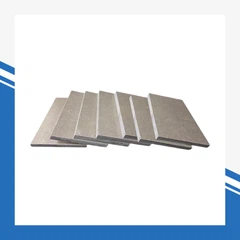
Oil immersed transformer Silicon steel Plate is often used in oil - immersed transformers. Pre - training this type of silicon steel plate can involve processes such as surface coating or heat treatment. These treatments can increase the electrical resistivity of the plate, thereby reducing the magnitude of the eddy currents and improving the overall efficiency of the transformer.
3. Improving Mechanical Stability
Pre - training also has a positive impact on the mechanical stability of the transformer core. During the pre - training process, the core material is subjected to various stress - relieving treatments. These treatments help to reduce internal stresses within the core, which can occur during manufacturing processes such as cutting and shaping.
By reducing internal stresses, the core is less likely to experience deformation or cracking during operation. This improves the long - term reliability of the transformer and reduces the risk of costly failures. For example, a well - pre - trained core can better withstand the mechanical forces generated by the magnetic field and the vibrations that occur during normal operation.
Real - World Advantages of Pre - trained Transformer Cores
The benefits of pre - training translate into several real - world advantages for both transformer manufacturers and end - users.
1. Energy Efficiency
As mentioned earlier, pre - training helps to reduce energy losses in the transformer core. This directly translates into higher energy efficiency for the transformer. In today's world, where energy conservation is a top priority, energy - efficient transformers are in high demand. By using pre - trained transformer cores, manufacturers can produce transformers that consume less energy and have a lower carbon footprint.
2. Cost Savings
Higher energy efficiency also means cost savings for end - users. Over the lifespan of a transformer, the energy savings can be substantial. Additionally, the improved mechanical stability of pre - trained cores reduces the need for maintenance and repairs, further reducing costs. For industrial users, who rely on large - scale transformers to power their operations, these cost savings can have a significant impact on the bottom line.
3. Improved Performance
Pre - trained transformer cores can provide better performance in terms of voltage regulation and power quality. The optimized magnetic properties of the core ensure that the transformer can maintain a stable output voltage, even under varying load conditions. This is crucial for sensitive electrical equipment, which requires a consistent and reliable power supply.
Case Studies
To illustrate the benefits of pre - training, let's look at a few case studies.
Case Study 1: Industrial Transformer
A large industrial facility was experiencing high energy costs due to the inefficiency of its transformers. After replacing the old transformer cores with pre - trained cores, the facility saw a significant reduction in energy consumption. The pre - trained cores had lower hysteresis and eddy current losses, resulting in a more efficient energy transfer. Additionally, the improved mechanical stability of the cores reduced the frequency of maintenance and repairs, further saving costs.
Case Study 2: Renewable Energy Application
In a solar power plant, transformers are used to convert the DC power generated by solar panels into AC power for the grid. The use of pre - trained transformer cores in these transformers improved the overall efficiency of the power conversion process. The enhanced magnetic properties of the cores allowed for better energy transfer, even in the variable and intermittent power output of the solar panels. This led to a more stable and reliable power supply to the grid.
Conclusion
In conclusion, pre - training offers numerous benefits for transformer cores. It enhances magnetic properties, reduces energy losses, improves mechanical stability, and provides real - world advantages such as energy efficiency, cost savings, and better performance. As a supplier of transformer cores, we are committed to providing high - quality pre - trained cores that meet the needs of our customers.
If you are interested in purchasing pre - trained transformer cores for your next project, we would be delighted to discuss your requirements. Our team of experts can provide you with detailed information and guidance on the best solutions for your specific application. Contact us to start the procurement and negotiation process.
References
- "Transformer Design Principles: With Applications to Core - Form Power Transformers" by James G. Webster.
- "Electrical Engineering Handbook" edited by Richard C. Dorf.