







As a supplier of butterfly throttle valves DN50, I've witnessed firsthand the complex interplay between high - velocity flow and these essential components. In this blog, we'll explore the impact of high - velocity flow on the butterfly throttle valve DN50, delving into the technical aspects, potential challenges, and how these insights can guide your purchasing decisions.
Understanding the Butterfly Throttle Valve DN50
The butterfly throttle valve DN50 is a widely used flow control device in various industries, including water treatment, chemical processing, and HVAC systems. It features a circular disc (the "butterfly") that rotates around a central axis to regulate the flow of fluid through a pipe. The DN50 designation indicates a nominal diameter of 50 millimeters, which is suitable for a range of applications where moderate flow rates are required.
Impact of High - Velocity Flow on the Butterfly Throttle Valve DN50
1. Structural Stress
High - velocity flow can exert significant stress on the butterfly valve's structure. As the fluid rushes through the valve at high speeds, it creates pressure differentials and forces that act on the valve disc and its components. The disc may experience bending and torsional stresses, which can lead to deformation over time. This deformation can affect the valve's sealing performance, causing leaks and reducing its overall efficiency.
For instance, in a high - pressure water pipeline, the rapid flow of water can push against the valve disc with considerable force. If the valve is not designed to withstand these forces, the disc may warp, resulting in a poor seal between the disc and the valve seat.
2. Erosion and Wear
Another major impact of high - velocity flow is erosion and wear. The high - speed fluid contains particles, such as sand or debris, which can act like abrasives when they come into contact with the valve surfaces. The disc and the valve seat are particularly vulnerable to erosion. Over time, the erosion can cause the surfaces to become rough, reducing the valve's ability to control the flow accurately.
In a chemical processing plant, where the fluid may contain corrosive substances in addition to solid particles, the erosion can be even more severe. The combination of high - velocity flow and chemical corrosion can lead to rapid degradation of the valve material, shortening its service life.
3. Vibration and Noise
High - velocity flow can also generate vibration and noise in the butterfly throttle valve DN50. The turbulent flow patterns created by the high - speed fluid can cause the valve to vibrate, which not only affects the valve's stability but also creates noise. Excessive vibration can loosen the valve's mounting bolts and other components, leading to potential failures.
In an industrial setting, the noise generated by the valve can be a significant issue, especially if it exceeds the acceptable noise levels. This can not only cause discomfort to the workers but also indicate potential problems with the valve's operation.
4. Cavitation
Cavitation is a phenomenon that occurs when the pressure of the fluid drops below its vapor pressure, causing the formation of vapor bubbles. In a butterfly throttle valve DN50, high - velocity flow can create low - pressure areas, especially around the edges of the valve disc. When these bubbles collapse, they release a large amount of energy, which can cause damage to the valve surfaces.
Cavitation can lead to pitting and erosion of the valve disc and seat, reducing the valve's performance and lifespan. In extreme cases, it can even cause structural damage to the valve, leading to catastrophic failures.
Mitigating the Impact of High - Velocity Flow
1. Material Selection
Choosing the right materials for the butterfly throttle valve DN50 is crucial to withstand the impact of high - velocity flow. For applications where erosion and corrosion are major concerns, materials such as stainless steel, brass, or special alloys can be used. These materials have high resistance to wear and corrosion, ensuring a longer service life for the valve.
2. Design Optimization
The design of the valve can also be optimized to reduce the impact of high - velocity flow. For example, the shape of the valve disc can be modified to minimize pressure differentials and turbulence. Additionally, the valve seat can be designed to provide a better seal, even under high - stress conditions.
3. Flow Control Strategies
Implementing proper flow control strategies can help reduce the velocity of the fluid passing through the valve. This can be achieved by using flow restrictors or by adjusting the system's operating parameters. By reducing the flow velocity, the stress, erosion, and other negative impacts on the valve can be minimized.
Our Offerings as a Supplier
As a supplier of butterfly throttle valves DN50, we understand the challenges posed by high - velocity flow. That's why we offer a range of high - quality valves that are designed to withstand these conditions. Our valves are made from premium materials, ensuring excellent resistance to erosion, corrosion, and wear.
We also provide customized solutions to meet the specific needs of our customers. Whether you need a valve with a special design or a particular material, our team of experts can work with you to develop the perfect solution.
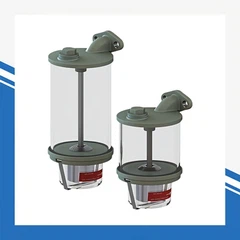
In addition to our butterfly throttle valves DN50, we also offer a variety of related products, such as Transformer Drain Valves, Brass drain valve, and Transformer Oil Valve. These products are designed to complement our butterfly throttle valves and provide a complete solution for your flow control needs.


Contact Us for Purchasing
If you're in the market for a high - quality butterfly throttle valve DN50 or any of our related products, we encourage you to contact us for a detailed discussion. Our team of sales representatives is ready to answer your questions, provide technical support, and help you make the right purchasing decision. Whether you're a small business or a large industrial enterprise, we have the expertise and products to meet your needs.
References
- "Valve Handbook", by Valve Manufacturers Association of America
- "Fluid Mechanics", by Frank M. White
- "Industrial Valve Technology", by Valve Magazine Publications