







As a valve power transformer supplier, I've witnessed firsthand the importance of insulation resistance in these critical electrical components. Insulation resistance is a key parameter that reflects the quality and integrity of the insulation system within a valve power transformer. In this blog, I'll delve into how the insulation resistance of valve power transformers changes and the factors that influence these variations.
Understanding Insulation Resistance in Valve Power Transformers
Insulation resistance is the measure of the opposition to the flow of direct current through the insulation material of a transformer. It is a crucial indicator of the insulation's ability to prevent leakage currents and maintain electrical isolation between different parts of the transformer. A high insulation resistance value indicates good insulation quality, while a low value may suggest insulation degradation or damage.
In valve power transformers, the insulation system consists of various materials such as paper, oil, and solid insulators. These materials work together to provide electrical insulation and protect the transformer from short circuits and other electrical faults. The insulation resistance of a valve power transformer is typically measured using a megohmmeter, which applies a high voltage to the insulation and measures the resulting current flow.
Factors Affecting the Insulation Resistance of Valve Power Transformers
Several factors can influence the insulation resistance of valve power transformers. Understanding these factors is essential for predicting and managing changes in insulation resistance over time.
Temperature
Temperature is one of the most significant factors affecting insulation resistance. As the temperature increases, the insulation resistance of a valve power transformer decreases. This is because the electrical conductivity of the insulation material increases with temperature, leading to a higher leakage current. Conversely, as the temperature decreases, the insulation resistance increases.


It's important to note that the relationship between temperature and insulation resistance is not linear. The insulation resistance of a valve power transformer typically follows an exponential decay curve with increasing temperature. Therefore, it's crucial to measure the insulation resistance at a standardized temperature to ensure accurate comparisons.
Moisture
Moisture is another critical factor that can significantly affect the insulation resistance of valve power transformers. Moisture can penetrate the insulation material, reducing its electrical resistance and increasing the leakage current. This can lead to insulation degradation and ultimately, transformer failure.
There are several sources of moisture in valve power transformers, including atmospheric humidity, condensation, and water ingress from external sources. To prevent moisture-related issues, it's essential to maintain a dry environment within the transformer and use moisture-resistant insulation materials. Regular inspections and moisture monitoring can also help detect and address moisture problems early.
Aging and Deterioration
Over time, the insulation material in valve power transformers can age and deteriorate due to various factors such as thermal stress, electrical stress, and chemical reactions. This can lead to a decrease in insulation resistance and an increased risk of electrical breakdown.
Aging and deterioration can be accelerated by factors such as high operating temperatures, overloading, and exposure to contaminants. To mitigate the effects of aging and deterioration, it's important to follow proper maintenance procedures and replace the insulation material when necessary. Regular insulation testing can also help detect early signs of aging and deterioration and allow for timely intervention.
Contamination
Contamination can also have a significant impact on the insulation resistance of valve power transformers. Contaminants such as dust, dirt, and oil can accumulate on the surface of the insulation material, reducing its electrical resistance and increasing the leakage current. This can lead to insulation degradation and ultimately, transformer failure.
To prevent contamination-related issues, it's essential to keep the transformer clean and free from dust and dirt. Regular inspections and cleaning can help remove contaminants and maintain the insulation's integrity. Additionally, using high-quality insulation materials and proper sealing can help prevent contamination from entering the transformer.
Monitoring and Maintaining Insulation Resistance
Monitoring the insulation resistance of valve power transformers is essential for ensuring their reliable operation. Regular insulation testing can help detect changes in insulation resistance over time and identify potential issues before they become serious problems.
There are several methods for measuring insulation resistance, including the use of a megohmmeter and the polarization index (PI) test. The megohmmeter measures the insulation resistance directly, while the PI test measures the ratio of the insulation resistance at 10 minutes to the insulation resistance at 1 minute. A high PI value indicates good insulation quality, while a low PI value may suggest insulation degradation.
In addition to regular insulation testing, proper maintenance procedures are also essential for maintaining the insulation resistance of valve power transformers. This includes keeping the transformer clean, dry, and free from contaminants, as well as following proper operating procedures and load management practices.
The Role of Transformer Valves in Insulation Resistance
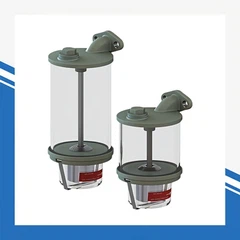
Transformer valves play a crucial role in maintaining the insulation resistance of valve power transformers. Transformer Butterfly Valve and Transformer Valve are designed to control the flow of oil and other fluids within the transformer, ensuring proper cooling and insulation.
Oil-immersed transformer valve is specifically designed for oil-immersed transformers, providing a reliable means of sampling the oil and monitoring its quality. By ensuring proper oil flow and quality, transformer valves help maintain the insulation resistance of the transformer and prevent insulation degradation.
Conclusion
In conclusion, the insulation resistance of valve power transformers is a critical parameter that reflects the quality and integrity of the insulation system. Understanding the factors that affect insulation resistance and implementing proper monitoring and maintenance procedures are essential for ensuring the reliable operation of these transformers.
As a valve power transformer supplier, I'm committed to providing high-quality products and services that meet the needs of our customers. If you're interested in learning more about our valve power transformers or have any questions about insulation resistance, please feel free to contact us to discuss your requirements and explore potential partnerships.
References
- Electrical Power Transformer Engineering, by Turan Gonen
- Transformer Insulation Monitoring: A Review, by M. S. Sachdev and S. A. Boggs