






What is the flashover voltage of porcelain shackle insulators?
Porcelain shackle insulators are essential components in electrical power systems, known for their robustness and reliability. They perform the crucial function of isolating electrical conductors from the supporting structures, ensuring the safe and efficient transmission of electricity. One of the key performance indicators of these insulators is the flashover voltage, which plays a vital role in their effectiveness.
Understanding Flashover Voltage
Flashover voltage refers to the minimum voltage at which an electrical discharge occurs across the surface of an insulator, creating a conducting path through the air or any other external medium surrounding the insulator. When this happens, it can lead to a short - circuit situation, disrupting the normal operation of the electrical system and potentially causing damage to equipment and even posing a safety hazard to personnel.
For porcelain shackle insulators, the flashover voltage is determined by a variety of factors. The physical design of the insulator is a primary consideration. The shape, size, and surface profile can have a significant impact on how the electric field distributes around the insulator. For instance, insulators with a more complex and longer creepage distance (the distance along the surface of the insulator between the conducting parts) tend to have a higher flashover voltage. This is because a longer creepage distance makes it more difficult for the electrical discharge to propagate across the insulator's surface.
The environmental conditions also play a crucial role in determining the flashover voltage of porcelain shackle insulators. In wet or contaminated conditions, the flashover voltage can be significantly reduced. Moisture on the surface of the insulator can form a conductive layer, facilitating the flow of current and reducing the voltage required for flashover. Similarly, the presence of pollutants such as dust, salt, or industrial contaminants on the insulator surface can lower the flashover voltage. These contaminants can absorb moisture, further enhancing the conductivity of the surface layer.
Factors Affecting Flashover Voltage in Porcelain Shackle Insulators
- Porcelain Material Quality: The quality of the porcelain used in the manufacturing of the shackle insulators is of utmost importance. High - quality porcelain has better electrical insulation properties, which can contribute to a higher flashover voltage. Porcelain with a lower porosity and fewer internal defects is more resistant to electrical breakdown and can withstand higher voltages before flashover occurs.
- Surface Finish: The smoothness of the insulator's surface can affect the flashover voltage. A smooth surface reduces the likelihood of local electric field concentration, which can initiate an electrical discharge. Additionally, a well - finished surface is less likely to accumulate contaminants, helping to maintain a higher flashover voltage over time.
- Temperature and Humidity: Extreme temperatures can cause thermal expansion and contraction of the porcelain material, potentially leading to cracks or other structural damage that can lower the flashover voltage. High humidity levels can also increase the surface conductivity of the insulator, reducing its flashover voltage.
Measuring Flashover Voltage
To ensure the proper performance of porcelain shackle insulators, it is necessary to measure their flashover voltage. This is typically done through standardized testing procedures. One common method is the wet flashover test, where the insulator is sprayed with a fine mist of water to simulate wet conditions. A gradually increasing voltage is applied to the insulator until flashover occurs, and the voltage at which this happens is recorded as the wet flashover voltage.


Another method is the dry flashover test, which is conducted under dry environmental conditions. This test provides a baseline measurement of the insulator's flashover voltage under ideal circumstances. By comparing the results of wet and dry flashover tests, engineers can assess the performance of the insulator under different environmental conditions.
Our Offerings as a Porcelain Shackle Insulators Supplier
As a leading supplier of porcelain shackle insulators, we are committed to providing high - quality products with excellent flashover voltage performance. Our insulators are manufactured using the finest porcelain materials, ensuring superior electrical insulation properties. We pay close attention to the design and surface finish of our insulators to maximize the flashover voltage and minimize the risk of electrical breakdown.
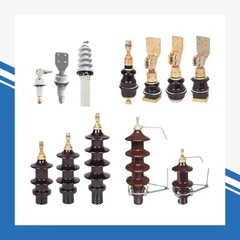
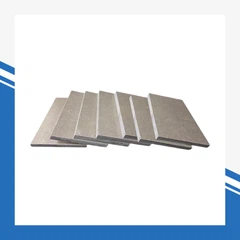
In addition to porcelain shackle insulators, we also offer a wide range of other electrical insulation products. For example, we supply Cotton Phenolic Laminate, which is a popular choice for various electrical applications due to its good mechanical and electrical properties. Our Porcelain Electrical Insulators are also widely used in transformers and other electrical equipment, providing reliable insulation under high - voltage conditions. And for oil transformers, we have Electrical Insulation Paper for Oil Transformer, which plays a crucial role in preventing electrical short - circuits and ensuring the safe operation of the transformers.
We understand that different customers have different requirements when it comes to flashover voltage and other performance parameters. That's why we offer customized solutions to meet the specific needs of our clients. Our team of experienced engineers can work closely with you to design and manufacture insulators that are tailored to your application, ensuring optimal performance and reliability.
Contact Us for Procurement
If you are in the market for high - quality porcelain shackle insulators or other electrical insulation products, we invite you to contact us for a detailed discussion. We can provide you with more information about our products, their performance characteristics, and pricing. Whether you are working on a small - scale electrical project or a large - scale power transmission system, we have the expertise and the products to meet your needs. Don't hesitate to reach out to us for procurement and let's start a successful business partnership.
References
- Grover, E. (2018). Insulators in Electrical Power Systems. Wiley - IEEE Press.
- Hussein, M. A. (2016). Electrical Insulation Materials: Properties, Testing, and Applications. Springer.
- Kumar, S. (2020). High - Voltage Engineering: Fundamentals and Applications. CRC Press.