








As a supplier of porcelain shackle insulators, I often encounter inquiries about various technical aspects of our products. One question that comes up quite frequently is, "What is the dielectric constant of porcelain shackle insulators?" In this blog post, I'll delve into this topic in detail, exploring what the dielectric constant is, how it relates to porcelain shackle insulators, and why it matters in the context of electrical applications.
Understanding the Dielectric Constant
The dielectric constant, also known as relative permittivity, is a fundamental property of a dielectric material. A dielectric is an insulating material that can be polarized by an applied electric field. When an electric field is applied to a dielectric, the positive and negative charges within the material are displaced slightly, creating an electric dipole moment. The dielectric constant is a measure of how much the material can store electrical energy in an electric field compared to a vacuum.
Mathematically, the dielectric constant (εr) is defined as the ratio of the capacitance of a capacitor with the dielectric material between its plates to the capacitance of the same capacitor with a vacuum between its plates. It is a dimensionless quantity and is always greater than or equal to 1.
Dielectric Constant of Porcelain
Porcelain is a commonly used material for shackle insulators due to its excellent electrical and mechanical properties. The dielectric constant of porcelain typically ranges from about 5 to 7. This value can vary depending on the specific composition of the porcelain, the manufacturing process, and the frequency of the applied electric field.
The relatively high dielectric constant of porcelain allows it to store a significant amount of electrical energy in an electric field. This property is crucial for insulators, as it helps to prevent the flow of electric current through the material and maintain the electrical insulation between conductors.


Importance of the Dielectric Constant in Porcelain Shackle Insulators
The dielectric constant plays a vital role in the performance of porcelain shackle insulators. Here are some key reasons why it is important:
- Electrical Insulation: A high dielectric constant means that the porcelain can effectively store electrical energy and prevent the flow of current through the insulator. This is essential for maintaining the integrity of the electrical system and preventing short circuits and electrical breakdowns.
- Capacitance: The dielectric constant affects the capacitance of the insulator. Capacitance is a measure of the ability of a capacitor to store electrical charge. In the case of porcelain shackle insulators, the capacitance can influence the distribution of electric fields around the insulator and the performance of the electrical system.
- Voltage Withstand Capability: The dielectric constant also affects the voltage withstand capability of the insulator. A higher dielectric constant generally means that the insulator can withstand higher voltages without breaking down. This is important for ensuring the safety and reliability of the electrical system.
Factors Affecting the Dielectric Constant of Porcelain Shackle Insulators
Several factors can affect the dielectric constant of porcelain shackle insulators. These include:
- Composition: The chemical composition of the porcelain can have a significant impact on its dielectric constant. Different types of porcelain may have different dielectric constants depending on the presence of various additives and impurities.
- Manufacturing Process: The manufacturing process can also affect the dielectric constant of the porcelain. Factors such as firing temperature, firing time, and cooling rate can influence the microstructure and properties of the porcelain, including its dielectric constant.
- Frequency: The dielectric constant of porcelain can vary with the frequency of the applied electric field. At higher frequencies, the dielectric constant may decrease due to the relaxation of the polarization within the material.
Measuring the Dielectric Constant
The dielectric constant of porcelain shackle insulators can be measured using various techniques. One common method is to use a capacitance bridge to measure the capacitance of the insulator and then calculate the dielectric constant based on the known geometry of the capacitor. Another method is to use a dielectric spectrometer, which can measure the dielectric properties of the material over a wide range of frequencies.
Applications of Porcelain Shackle Insulators
Porcelain shackle insulators are widely used in electrical power systems for a variety of applications. Some common applications include:
- Overhead Power Lines: Porcelain shackle insulators are used to support and insulate overhead power lines. They help to prevent the flow of current between the conductors and the supporting structures, ensuring the safety and reliability of the power system.
- Distribution Transformers: Porcelain shackle insulators are also used in distribution transformers to insulate the high-voltage and low-voltage windings. They help to prevent electrical breakdown and ensure the efficient operation of the transformer.
- Switchgear: Porcelain shackle insulators are used in switchgear to insulate the electrical contacts and prevent arcing. They help to ensure the safe and reliable operation of the switchgear.
Related Products and Technologies
In addition to porcelain shackle insulators, there are several other products and technologies that are related to the electrical industry. Here are some examples:
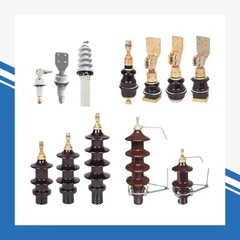
- Transformer Hv Bushing: Transformer HV bushings are used to provide electrical insulation and support for the high-voltage conductors in transformers. They are an essential component of the transformer and play a crucial role in its performance and reliability.
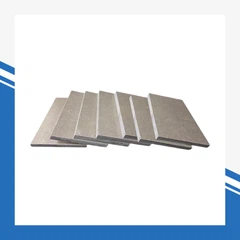
- Silicon Electrical Steel Sheet: Silicon electrical steel sheets are used in the cores of transformers and other electrical equipment. They have high magnetic permeability and low core losses, making them ideal for use in electrical applications.
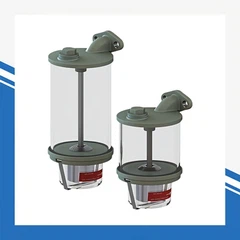
- Vacuum Mixing Device: Vacuum mixing devices are used in the production of transformers and other electrical equipment. They are used to mix and degas the insulation materials, ensuring the quality and performance of the final product.
Conclusion
In conclusion, the dielectric constant is an important property of porcelain shackle insulators. It plays a crucial role in the electrical insulation, capacitance, and voltage withstand capability of the insulators. Understanding the dielectric constant and its factors can help us to select the right porcelain shackle insulators for specific applications and ensure the safe and reliable operation of electrical systems.
If you are interested in purchasing porcelain shackle insulators or have any questions about our products, please feel free to contact us for a detailed discussion. We are committed to providing high-quality products and excellent customer service.
References
- Grover, A. K. (2018). Electrical Machine Design. New Age International.
- Chapman, S. J. (2012). Electric Machinery Fundamentals. McGraw-Hill Education.
- Hayt, W. H., & Buck, J. A. (2014). Engineering Electromagnetics. McGraw-Hill Education.