









A transformer tap changer is a crucial component in power transformers, designed to regulate the voltage output by altering the number of turns in the transformer winding. As a leading supplier of transformer tap changers, I'm excited to delve into the construction of these essential devices, shedding light on their design, functionality, and the various types available in the market.
Basic Principles of Transformer Tap Changers
Before we explore the construction, let's briefly understand the basic principle behind a transformer tap changer. A transformer operates on the principle of electromagnetic induction, where the voltage ratio between the primary and secondary windings is determined by the turns ratio. By changing the number of turns in one of the windings, we can adjust the output voltage. This is where the tap changer comes in, allowing us to select different taps on the winding to change the turns ratio and, consequently, the output voltage.
Components of a Transformer Tap Changer
The construction of a transformer tap changer involves several key components, each playing a vital role in its operation. Here are the main components:
Contactors
Contactors are the switching elements of the tap changer. They are responsible for making and breaking the electrical connections between the different taps on the transformer winding. Contactors are designed to handle high currents and voltages and must be highly reliable to ensure the safe and efficient operation of the tap changer.
Drive Mechanism
The drive mechanism is used to move the contactors between different taps. It can be manual, electric, or hydraulic, depending on the type of tap changer. Manual drive mechanisms are typically used in small transformers or where the tap changing frequency is low. Electric and hydraulic drive mechanisms are more commonly used in larger transformers, as they offer greater precision and can be controlled remotely.
Tap Selector
The tap selector is responsible for selecting the appropriate tap on the winding based on the required output voltage. It consists of a series of contacts that are connected to different taps on the winding. The tap selector is typically controlled by a voltage regulator, which monitors the output voltage and sends a signal to the tap selector to change taps if necessary.
Arc Quenching Device
When the contactors switch between taps, an arc is formed due to the interruption of the electrical current. The arc can cause damage to the contactors and other components of the tap changer, so it must be quenched quickly and safely. Arc quenching devices are used to extinguish the arc and prevent it from causing any damage. Common arc quenching methods include oil immersion, vacuum interrupters, and gas-blast interrupters.
Types of Transformer Tap Changers
There are two main types of transformer tap changers: on-load tap changers (OLTCs) and off-load tap changers (OLTCs).
On-Load Tap Changers (OLTCs)
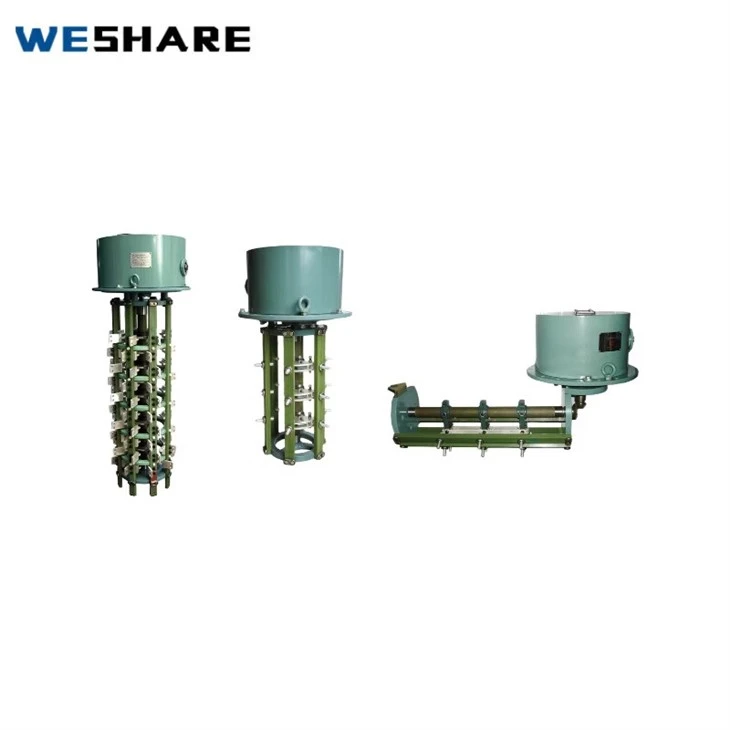
On-load tap changers are designed to change taps while the transformer is energized and under load. This allows for continuous voltage regulation without the need to disconnect the transformer from the power system. OLTCs are commonly used in power transformers that supply power to critical loads, such as hospitals, data centers, and industrial plants. They are more complex and expensive than off-load tap changers, but they offer greater flexibility and reliability. [Transformers Tap Changer]
Off-Load Tap Changers (OLTCs)
Off-load tap changers, as the name suggests, can only be operated when the transformer is de-energized and disconnected from the power system. They are typically used in transformers where the voltage regulation requirements are less demanding, such as distribution transformers. Off-load tap changers are simpler and less expensive than on-load tap changers, but they require the transformer to be taken out of service for tap changing, which can cause downtime and inconvenience. [Off Load Tap Changer for Transformer]
Construction Materials and Design Considerations
The construction materials used in a transformer tap changer are carefully selected to ensure its reliability, durability, and performance. The contactors are typically made of high-conductivity materials, such as copper or silver, to minimize electrical resistance and reduce heat generation. The drive mechanism and other mechanical components are made of robust materials, such as steel or aluminum, to withstand the forces and vibrations associated with tap changing.
In addition to the choice of materials, the design of the tap changer also plays a crucial role in its performance. The tap changer must be designed to operate smoothly and quietly, with minimal wear and tear on the components. It should also be able to withstand the environmental conditions in which it will be installed, such as temperature, humidity, and pollution.
Applications of Transformer Tap Changers
Transformer tap changers are used in a wide range of applications, including power generation, transmission, and distribution. Here are some of the common applications:
Power Generation
In power generation plants, transformer tap changers are used to regulate the voltage output of the generators. This ensures that the voltage supplied to the power grid is stable and within the acceptable limits. [Tap Changer for Power Transformers]
Power Transmission
In power transmission systems, tap changers are used to regulate the voltage at different points along the transmission line. This helps to maintain the voltage profile and reduce power losses.
Power Distribution
In power distribution networks, tap changers are used to regulate the voltage supplied to consumers. This ensures that the voltage at the consumer's end is stable and within the acceptable limits, which is essential for the proper operation of electrical equipment. [Voltage Regulating Tap Changer]
Oil-Immersed Transformer Load Changers
Oil-immersed transformer load changers are a specific type of on-load tap changer that is immersed in oil. The oil serves several purposes, including insulation, cooling, and arc quenching. Oil-immersed load changers are commonly used in large power transformers, as they offer excellent insulation properties and can handle high currents and voltages. [Oil-immersed transformer load changer]
The Importance of Regular Maintenance
Like any other electrical equipment, transformer tap changers require regular maintenance to ensure their reliable and efficient operation. Regular maintenance includes visual inspections, electrical testing, and lubrication of the moving parts. It is also important to monitor the performance of the tap changer and replace any worn or damaged components in a timely manner.
Conclusion
In conclusion, the construction of a transformer tap changer is a complex and sophisticated process that involves the integration of various components and materials. As a supplier of transformer tap changers, we understand the importance of providing high-quality products that meet the specific needs of our customers. Whether you need an on-load tap changer for a large power transformer or an off-load tap changer for a distribution transformer, we have the expertise and experience to provide you with the right solution.
If you are interested in learning more about our transformer tap changers or would like to discuss your specific requirements, please feel free to contact us for a consultation. We look forward to the opportunity to work with you and provide you with the best transformer tap changer solutions for your needs.

References
- Electric Power Transmission and Distribution Handbook, Second Edition, by Turan Gonen
- Power System Analysis and Design, Fifth Edition, by J. Duncan Glover, Mulukutla S. Sarma, and Thomas J. Overbye
- Transformer Engineering: Design, Technology, and Diagnostics, Second Edition, by G. K. Dubey