







In the realm of electrical engineering, understanding the concept of the context window in the Transformer core is crucial for both professionals and enthusiasts. As a leading supplier of Transformer cores, I am excited to delve into this topic and share valuable insights.
Understanding the Transformer Core
Before we explore the context window, let's first understand what a Transformer core is. A Transformer core is a fundamental component of a transformer, which is used to transfer electrical energy between circuits through electromagnetic induction. Transformer cores are typically made of materials with high magnetic permeability, such as Electrical Silicon Steels.
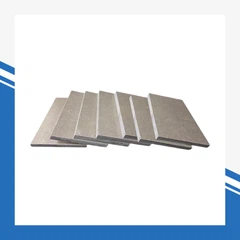
Electrical Silicon Steels are widely used in Transformer cores due to their excellent magnetic properties. These steels have low core losses, high magnetic saturation, and good electrical resistivity, making them ideal for efficient energy transfer. The choice of material and its properties play a significant role in the performance of the Transformer core.
What is the Context Window in the Transformer Core?
The context window in the Transformer core refers to the range of input data that the Transformer can process and analyze at a given time. In the context of electrical transformers, this can be related to the range of electrical signals, frequencies, and loads that the Transformer can handle effectively.
In a digital sense, similar to how a Transformer model in natural language processing has a context window to process sequences of words, an electrical Transformer has a context window for electrical signals. This window determines the maximum and minimum values of voltage, current, and frequency that the Transformer can operate within without significant degradation in performance.
For example, if a Transformer is designed to operate within a specific voltage range, say from 100V to 240V, this range represents a part of its context window. If the input voltage goes beyond this range, the Transformer may experience overheating, core saturation, or other issues that can affect its efficiency and lifespan.
Factors Affecting the Context Window
Several factors can influence the context window of a Transformer core. These include:
Material Properties
As mentioned earlier, the material used in the Transformer core, such as Electrical Silicon Steels, has a significant impact on its performance. Different materials have different magnetic properties, which can affect the core's ability to handle varying electrical signals. For instance, a core made of high - quality silicon steel may have a wider context window in terms of frequency response compared to a core made of a lower - grade material.
Core Design
The design of the Transformer core, including its shape, size, and number of windings, also plays a crucial role. A well - designed core can optimize the magnetic flux distribution and reduce losses, thereby expanding the context window. For example, a core with a larger cross - sectional area can handle higher currents without saturating, increasing the current range within the context window.
Cooling Mechanisms
Efficient cooling is essential for maintaining the performance of a Transformer. If a Transformer overheats, its magnetic properties can change, and the context window may shrink. Cooling mechanisms such as oil cooling or air cooling help to dissipate heat and ensure that the Transformer operates within its designed context window.
Importance of the Context Window
Understanding the context window of a Transformer core is vital for several reasons.
Safety
Operating a Transformer outside its context window can pose safety risks. For example, if the voltage is too high, it can cause insulation breakdown, leading to electrical fires or short circuits. By staying within the context window, the risk of such safety hazards can be minimized.
Efficiency
A Transformer operates most efficiently when it is within its context window. When the input signals are within the designed range, the core losses are minimized, and the energy transfer is optimized. This leads to lower energy consumption and cost savings.
Reliability
Staying within the context window ensures the long - term reliability of the Transformer. By avoiding overloading and other stress factors, the Transformer is less likely to experience premature failures, reducing maintenance costs and downtime.
Applications and Considerations
The concept of the context window is relevant in various applications of Transformer cores.
Power Distribution
In power distribution systems, Transformers are used to step up or step down voltages. The context window of these Transformers needs to be carefully considered to ensure stable and efficient power supply. For example, in a grid with fluctuating loads, the Transformer's context window should be wide enough to handle the variations in current and voltage.
Industrial Applications
In industrial settings, Transformers are used for various purposes, such as powering motors. EI Silicon Steel Plate For Motor is often used in these applications. The context window of the Transformer in an industrial motor application needs to be matched to the requirements of the motor, including its starting current and operating frequency.
Conclusion
In conclusion, the context window in the Transformer core is a critical concept that determines the range of electrical signals and loads that a Transformer can handle effectively. By understanding the factors that affect the context window, such as material properties, core design, and cooling mechanisms, we can ensure the safety, efficiency, and reliability of Transformer operation.
As a Transformer core supplier, we are committed to providing high - quality products that are designed with an appropriate context window to meet the diverse needs of our customers. Whether you are in the power distribution industry or an industrial application, we have the expertise and products to support your requirements.


If you are interested in learning more about our Transformer cores or would like to discuss your specific needs, we invite you to reach out to us for a procurement consultation. We look forward to working with you to find the best solutions for your electrical engineering projects.
References
- Electrical Engineering Handbook, Third Edition, edited by Richard C. Dorf
- Power System Analysis and Design, Fifth Edition, by J. Duncan Glover, Mulukutla S. Sarma, and Thomas J. Overbye