










Hey there! As a supplier of transformer accessories, I often get asked about how a transformer oil monitoring system works. It's a crucial part of keeping transformers in top - notch condition, so let's dive right in and break it down.
Why Monitor Transformer Oil?
First off, you might be wondering why we even bother monitoring transformer oil. Well, transformer oil serves several key functions. It acts as an insulator, preventing electrical current from leaking out and causing short - circuits. It also helps in cooling the transformer by dissipating heat generated during its operation. Over time, though, the oil can degrade due to factors like oxidation, moisture ingress, and the presence of contaminants. Monitoring the oil allows us to detect early signs of problems, which can prevent costly breakdowns and extend the lifespan of the transformer.
Components of a Transformer Oil Monitoring System
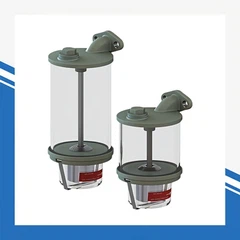
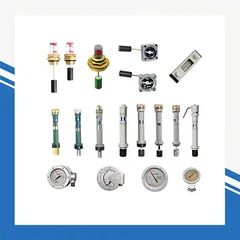
A transformer oil monitoring system typically consists of several components. There are sensors, which are the eyes and ears of the system. These sensors are designed to measure various parameters of the oil, such as temperature, moisture content, dissolved gas levels, and dielectric strength.


The data collected by the sensors is then sent to a data acquisition unit. This unit is like the brain of the system. It processes the data, converts it into a format that can be easily analyzed, and stores it for future reference.
Next, there's a communication module. This module is responsible for sending the processed data to a central monitoring station. It can use different communication protocols, like Ethernet, Wi - Fi, or cellular networks, depending on the setup and requirements.
How the Monitoring Process Works
Let's start with the sensors. They're placed strategically inside the transformer or in the oil flow path. For example, temperature sensors are usually located near the windings where the heat is generated. These sensors continuously measure the temperature of the oil. If the temperature starts to rise above normal levels, it could indicate an overloading issue or a problem with the cooling system.
Moisture sensors are also very important. Moisture in the transformer oil can reduce its insulating properties and increase the risk of electrical breakdown. These sensors measure the amount of water present in the oil. If the moisture content exceeds a certain threshold, it's a sign that there might be a leak in the transformer or a problem with the sealing.
Dissolved gas analysis (DGA) is another critical aspect of transformer oil monitoring. When there are electrical or thermal faults in the transformer, certain gases are produced and dissolve in the oil. Sensors can detect the levels of these gases, such as hydrogen, methane, ethane, ethylene, and acetylene. By analyzing the ratios of these gases, experts can identify the type and severity of the fault. For instance, a high level of hydrogen might indicate partial discharge, while elevated levels of ethylene could suggest overheating.
Once the sensors have collected all this data, it's sent to the data acquisition unit. This unit aggregates the data from all the sensors and performs some basic calculations. It might calculate average values, trends, and compare the current data with historical data to see if there are any significant changes.
After that, the communication module steps in. It takes the processed data and sends it to the central monitoring station. At the monitoring station, trained technicians analyze the data using specialized software. They look for patterns, anomalies, and potential problems. If they detect an issue, they can take appropriate action, such as scheduling maintenance or alerting the on - site personnel.
Our Transformer Accessories
As a transformer accessories supplier, we offer a wide range of products that can enhance the performance of your transformer oil monitoring system. For example, we have high - quality Electrical Steel Sheet which is an essential part of the transformer core. It helps in reducing energy losses and improving the overall efficiency of the transformer.
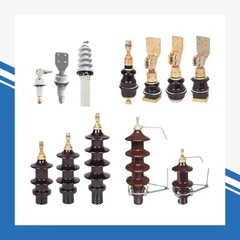
We also provide Bushing Flags. These are important insulation fittings that can prevent electrical breakdown and ensure the safe operation of the transformer.
And let's not forget about our Indoor Backup Fuse. In case of an overcurrent situation, this fuse will blow and protect the transformer from damage.
Benefits of Our Products for the Monitoring System
Our electrical steel sheets can contribute to a more stable operation of the transformer. A stable transformer means less stress on the oil, which in turn reduces the likelihood of oil degradation. This makes it easier for the monitoring system to detect any real problems rather than false alarms caused by unstable operation.
The bushing flags we offer improve the insulation of the transformer. Good insulation helps in maintaining the integrity of the oil's insulating properties. If the insulation is compromised, it can lead to increased moisture and gas production in the oil, which can be accurately detected by the monitoring system.
The indoor backup fuse acts as a safety net. In the event of a short - circuit or overcurrent, it will protect the transformer from severe damage. This means that the oil won't be exposed to extreme conditions that could cause rapid degradation, and the monitoring system can continue to provide accurate data.
Importance of Regular Maintenance
Even with a state - of - the - art transformer oil monitoring system, regular maintenance is still crucial. The sensors need to be calibrated periodically to ensure accurate readings. The data acquisition unit and communication module also need to be checked for any signs of malfunction.
During maintenance, the transformer oil should be sampled and tested in a laboratory. This provides a more detailed analysis of the oil's condition than what the on - site sensors can offer. The laboratory tests can detect contaminants that might not be easily detected by the sensors, such as particulate matter and certain chemical compounds.
Conclusion
A transformer oil monitoring system is an invaluable tool for ensuring the reliable operation of transformers. By continuously monitoring the oil's parameters, we can detect problems early and take proactive measures to prevent breakdowns. As a transformer accessories supplier, we're committed to providing high - quality products that can enhance the performance of your transformer and its monitoring system.
If you're interested in learning more about our transformer accessories or how they can work with your transformer oil monitoring system, don't hesitate to reach out for a procurement discussion. We're here to help you keep your transformers running smoothly.
References
- "Transformer Oil: Properties and Applications" - Electrical Engineering Handbook
- "Dissolved Gas Analysis in Transformers" - IEEE Transactions on Power Delivery