






Hey there! As a supplier of grade silicon steel sheets, I've been thinking a lot about the environmental impacts of producing these materials. In this blog post, I'm going to dive into the various aspects of the production process and how they affect our planet.
Let's start with the raw materials. Silicon steel sheets are mainly made from iron ore, silicon, and a few other alloying elements. Mining iron ore is a major environmental concern. It often involves large - scale open - pit mining, which can lead to deforestation. Trees are cleared to make way for mining operations, and this disrupts entire ecosystems. The loss of trees means less carbon dioxide is absorbed from the atmosphere, contributing to global warming. Moreover, the soil erosion caused by mining can contaminate nearby water sources. Sediments and heavy metals can end up in rivers and lakes, harming aquatic life.
Once the iron ore is mined, it needs to be processed. The smelting process is energy - intensive. Most of the energy used in smelting comes from fossil fuels like coal. Burning coal releases a huge amount of carbon dioxide, sulfur dioxide, and particulate matter into the air. Carbon dioxide is a greenhouse gas that traps heat in the atmosphere, leading to rising global temperatures. Sulfur dioxide can cause acid rain, which damages forests, crops, and buildings. Particulate matter can cause respiratory problems for humans and animals.
Adding silicon to the iron is also a significant step. The production of silicon involves high - temperature reactions in electric arc furnaces. These furnaces consume a large amount of electricity, and if the electricity is generated from non - renewable sources, it further adds to the carbon footprint. Additionally, the waste products from silicon production can be difficult to dispose of properly. Some of these waste materials contain toxic substances that can seep into the soil and groundwater if not managed correctly.
The manufacturing process of grade silicon steel sheets also has its own set of environmental impacts. Rolling the steel into sheets requires a lot of energy. The machinery used in rolling mills needs to be powered, and again, if the energy comes from fossil fuels, it's bad news for the environment. There are also lubricants and coolants used in the rolling process. These substances can contaminate water if they are not properly treated before being discharged.
Another aspect to consider is the transportation of the finished silicon steel sheets. Whether it's by truck, train, or ship, transporting these heavy materials over long distances consumes a significant amount of fuel. This fuel consumption leads to more emissions of greenhouse gases and air pollutants.
However, there are some silver linings. As a supplier, we're constantly looking for ways to reduce the environmental impact of our production. For example, we're exploring the use of renewable energy sources in our manufacturing facilities. Solar panels and wind turbines can provide a clean and sustainable source of electricity. We're also looking into more efficient production methods that use less energy and generate less waste.
Recycling is another important area. Silicon steel sheets can be recycled, and this helps to reduce the demand for new raw materials. Recycling not only saves energy but also reduces the environmental impact associated with mining and processing. When we recycle silicon steel, we can reuse a large portion of the material, which cuts down on the overall carbon footprint.
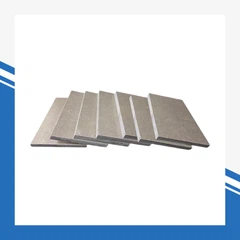
Now, let's talk about the different types of silicon steel sheets. We have Oriented electrical steel, which is used in transformers. It has a specific grain orientation that makes it more efficient in conducting electricity. Then there's Non Oriented EI Sheet, which is used in a variety of electrical applications. And of course, Electrical Silicon Steels in general play a crucial role in the electrical industry.


In conclusion, while the production of grade silicon steel sheets has some significant environmental impacts, there are ways to mitigate them. As a supplier, we're committed to being more environmentally friendly. We're working on reducing our energy consumption, improving our waste management, and promoting recycling.
If you're in the market for grade silicon steel sheets, we'd love to have a chat with you. We can discuss your specific needs and how we can provide high - quality products while also being mindful of the environment. Reach out to us to start a procurement discussion and see how we can work together.
References
- Environmental Impact of Steel Production. Journal of Environmental Science and Technology.
- Sustainable Manufacturing of Electrical Steel. International Journal of Green Manufacturing.