









Hey there! As a supplier of silicon steel sheets, I often get asked about how to measure the thickness of these sheets accurately. It's a crucial aspect, especially when you're dealing with applications where precision matters, like in transformers and electrical devices. In this blog, I'll share some practical methods and tips on getting that accurate thickness measurement.
Why Accurate Thickness Measurement Matters
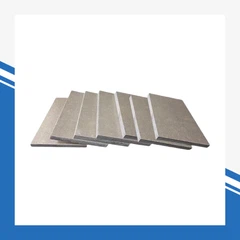
First off, let's talk about why it's so important to measure the thickness of silicon steel sheets accurately. In the electrical industry, the thickness of these sheets can significantly affect the performance of transformers and other equipment. For instance, in a transformer, the silicon steel sheets Silicon steel sheet for transformers form the core. If the thickness isn't right, it can lead to issues like increased energy losses, reduced efficiency, and even overheating.
Moreover, different applications require different thicknesses of silicon steel sheets. For high - frequency transformers, thinner sheets are often preferred to minimize eddy current losses. On the other hand, some low - frequency applications might tolerate slightly thicker sheets. So, getting an accurate measurement ensures that you're using the right material for the job.
Tools for Measuring Silicon Steel Sheet Thickness
There are several tools available that you can use to measure the thickness of silicon steel sheets. Here are some of the most common ones:
Vernier Caliper
A vernier caliper is a classic tool for measuring small distances with high precision. It has two jaws that can be adjusted to fit around the silicon steel sheet. To use it, simply open the jaws, place the sheet between them, and then close the jaws gently until they touch the sheet on both sides. Read the measurement on the scale. Vernier calipers can measure thicknesses up to a few millimeters with an accuracy of around 0.02 mm.
Micrometer
A micrometer is even more precise than a vernier caliper. It works by using a screw mechanism to measure small distances. You place the silicon steel sheet between the anvil and the spindle of the micrometer. Then, turn the thimble until the spindle touches the sheet. The measurement is read on the sleeve and the thimble of the micrometer. Micrometers can measure thicknesses with an accuracy of up to 0.001 mm.
Ultrasonic Thickness Gauge
This is a more advanced and non - destructive testing tool. An ultrasonic thickness gauge works by sending ultrasonic waves through the silicon steel sheet. The time it takes for the waves to bounce back is measured, and based on the speed of sound in the steel, the thickness of the sheet is calculated. This tool is great for measuring the thickness of large sheets or sheets that are difficult to access with traditional measuring tools.
Step - by - Step Guide to Measuring Thickness
Now, let's go through a step - by - step guide on how to measure the thickness of a silicon steel sheet using a micrometer, as it's one of the most accurate methods:
-
Prepare the Micrometer
- Check the micrometer for any dirt or debris on the anvil and the spindle. Clean it if necessary using a soft cloth.
- Zero the micrometer. Close the jaws completely and make sure the reading on the scale is zero. If it's not, adjust the zero adjustment screw until it reads zero.
-
Place the Silicon Steel Sheet


- Gently place the silicon steel sheet between the anvil and the spindle of the micrometer. Make sure the sheet is flat and centered between the two surfaces.
-
Take the Measurement
- Turn the thimble slowly until the spindle just touches the sheet. You'll feel a slight resistance when it makes contact.
- Read the measurement on the sleeve and the thimble. The main scale on the sleeve gives the whole number part of the measurement, and the thimble scale gives the decimal part.
-
Repeat the Measurement
- To ensure accuracy, take multiple measurements at different points on the sheet. Silicon steel sheets may not have a perfectly uniform thickness, so measuring at different locations can give you a better idea of the overall thickness.
- Calculate the average of the measurements to get a more representative value.
Factors Affecting Thickness Measurement
There are several factors that can affect the accuracy of your thickness measurement. Here are some of them:
Surface Roughness
If the surface of the silicon steel sheet is rough, it can cause errors in the measurement. The measuring tools may not make a perfect contact with the surface, leading to inaccurate readings. To minimize this, you can try to smooth the surface slightly or take multiple measurements at different angles and average them.
Temperature
The temperature of the silicon steel sheet can also affect its thickness. Metals expand when heated and contract when cooled. So, if you're measuring the sheet at a different temperature than the standard temperature (usually 20°C), you may get an inaccurate measurement. If possible, measure the sheet at a stable and known temperature.
Measurement Technique
The way you use the measuring tool can also impact the accuracy. For example, if you apply too much pressure when using a micrometer, it can deform the sheet slightly and give a false reading. Make sure to use the tool gently and follow the correct operating procedures.
Different Types of Silicon Steel Sheets and Their Thickness Requirements
There are different types of silicon steel sheets, each with its own thickness requirements for specific applications.
-
EI Silicon Steel Plate EI Silicon Steel Plate is commonly used in transformers and inductors. These plates usually come in thicknesses ranging from 0.23 mm to 0.5 mm. Thinner sheets are used for high - frequency applications to reduce eddy current losses, while thicker sheets can be used for low - frequency applications.
-
Non Oriented Silicon Steel Sheet Non Oriented Silicon Steel Sheet is used in a variety of electrical devices, such as motors and generators. The thickness of non - oriented silicon steel sheets can vary from 0.1 mm to 1.0 mm, depending on the specific requirements of the application.
Conclusion
Accurately measuring the thickness of silicon steel sheets is crucial for ensuring the proper performance of electrical equipment. By using the right tools, following the correct measurement techniques, and being aware of the factors that can affect the measurement, you can get reliable and accurate results.
If you're in the market for high - quality silicon steel sheets, we're here to help. Whether you need specific thicknesses for your transformers, motors, or other electrical applications, we have a wide range of products to meet your needs. Feel free to reach out and start a conversation about your procurement requirements. We're looking forward to working with you!
References
- "Electrical Steel Handbook" by A. J. Moses
- "Transformer Design Principles: With Applications to Core - Form Power Transformers" by John G. Kirtley Jr.