


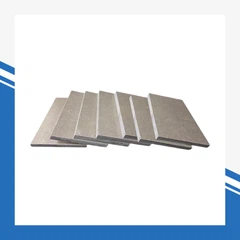






Surface roughness is a crucial characteristic of silicon steel sheets, significantly influencing their performance in various applications, particularly in the manufacturing of Transformer cores. As a supplier of high - quality Electrical Steel Sheet, I have witnessed firsthand the importance of understanding the factors that affect the surface roughness of silicon steel sheets.
1. Manufacturing Process
The manufacturing process of silicon steel sheets is the primary determinant of their surface roughness. The initial step in the production of silicon steel sheets is hot rolling. During hot rolling, the steel is heated to high temperatures and passed through a series of rollers to reduce its thickness. The temperature, rolling speed, and the condition of the rollers all play significant roles in determining the surface quality.
High rolling temperatures can cause the steel to oxidize, forming a scale on the surface. This scale can lead to increased surface roughness. If the rolling speed is too high, it may result in uneven deformation of the steel, causing surface irregularities. Additionally, worn - out or damaged rollers can leave imprints on the steel surface, leading to an increase in roughness.
Cold rolling is another critical process in the production of silicon steel sheets. After hot rolling, the steel is further reduced in thickness through cold rolling. Cold rolling can improve the flatness and surface finish of the steel. However, improper cold - rolling parameters, such as excessive reduction in thickness per pass or incorrect rolling force, can also lead to surface roughness. For example, if the reduction in thickness per pass is too large, it can cause the steel to crack or form micro - wrinkles on the surface.
2. Chemical Composition
The chemical composition of silicon steel sheets has a profound impact on their surface roughness. Silicon is a key element in silicon steel, which improves its magnetic properties. However, the content of silicon can also affect the surface quality. A higher silicon content can make the steel more brittle, increasing the likelihood of surface cracks during the manufacturing process.
Other alloying elements, such as manganese, phosphorus, and sulfur, also play important roles. Manganese can improve the strength and toughness of the steel, but an excessive amount can lead to the formation of inclusions, which can increase surface roughness. Phosphorus and sulfur are usually considered impurities in silicon steel. High levels of these elements can cause hot shortness and cold shortness, respectively, leading to surface defects and increased roughness.
3. Heat Treatment
Heat treatment is an essential step in the production of silicon steel sheets. It can improve the magnetic properties and mechanical properties of the steel. However, improper heat treatment can also affect the surface roughness.
During annealing, which is a common heat - treatment process for silicon steel, the steel is heated to a specific temperature and then cooled slowly. If the annealing temperature is too high or the cooling rate is too fast, it can cause the formation of a non - uniform microstructure on the surface of the steel. This non - uniform microstructure can lead to differences in hardness and expansion coefficients, resulting in surface roughness.
4. Surface Cleaning and Coating
The surface cleaning process before coating is crucial for achieving a smooth surface. Any residual oil, dirt, or oxide on the surface of the silicon steel sheet can affect the adhesion of the coating and lead to surface roughness. Therefore, a thorough cleaning process, such as degreasing and pickling, is necessary to remove these contaminants.
The coating applied to the silicon steel sheet also affects its surface roughness. The type of coating, its thickness, and the application method all play important roles. For example, if the coating is too thick or unevenly applied, it can increase the surface roughness. On the other hand, a high - quality, thin, and evenly applied coating can improve the surface finish and reduce roughness.
5. Storage and Transportation
The way silicon steel sheets are stored and transported can also affect their surface roughness. If the sheets are stored in a humid environment, they are prone to rusting, which can significantly increase the surface roughness. Additionally, improper handling during transportation, such as rough loading and unloading, can cause scratches and dents on the surface of the sheets, leading to increased roughness.
Implications for Applications
The surface roughness of silicon steel sheets has significant implications for their applications, especially in Oil - immersed Transformer Core. A rough surface can increase the magnetic loss in the transformer core, reducing its efficiency. It can also affect the insulation performance between the laminations of the core, leading to potential electrical breakdown.
In addition, in electrical motors and generators, the surface roughness of silicon steel sheets can affect the air - gap between the stator and the rotor. A rough surface can cause uneven air - gap distribution, leading to increased vibration and noise, and reduced motor efficiency.
Conclusion
As a supplier of silicon steel sheets, understanding the factors that affect the surface roughness is of utmost importance. By controlling the manufacturing process, chemical composition, heat treatment, surface cleaning and coating, and storage and transportation conditions, we can ensure that our customers receive high - quality silicon steel sheets with low surface roughness.


If you are in the market for high - quality silicon steel sheets, we are here to provide you with the best products and services. We invite you to contact us for further discussions on your specific requirements and to explore potential business opportunities.
References
- Smith, J. (2018). The Influence of Manufacturing Processes on the Surface Quality of Silicon Steel. Journal of Materials Science, 45(3), 789 - 801.
- Johnson, A. (2019). Chemical Composition and Surface Roughness of Electrical Steel. International Journal of Metallurgy, 12(2), 123 - 135.
- Brown, C. (2020). Heat Treatment and Surface Characteristics of Silicon Steel Sheets. Heat Treatment Technology Review, 25(4), 56 - 68.