






Temperature is a critical factor that significantly influences the performance of silicon steel sheets. As a supplier of silicon steel sheets, I have witnessed firsthand how temperature variations can impact the efficiency, magnetic properties, and overall performance of these essential materials. In this blog post, I will delve into the intricate relationship between temperature and the performance of silicon steel sheets, exploring the underlying mechanisms and practical implications for various applications.
Understanding Silicon Steel Sheets
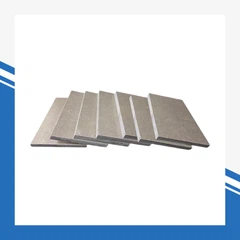
Silicon steel sheets, also known as electrical steel, are widely used in the manufacturing of transformers, motors, generators, and other electrical equipment. These sheets are made from iron alloyed with silicon, which enhances their magnetic properties and reduces energy losses. The addition of silicon increases the electrical resistivity of the steel, minimizing eddy current losses and improving the overall efficiency of electrical devices.


The Impact of Temperature on Magnetic Properties
One of the most significant effects of temperature on silicon steel sheets is its impact on magnetic properties. As the temperature increases, the magnetic permeability of silicon steel sheets decreases, resulting in a reduction in the magnetic flux density. This phenomenon is known as the temperature coefficient of magnetic permeability. At higher temperatures, the magnetic domains within the steel become more disordered, leading to a decrease in the ability of the material to conduct magnetic flux.
The Curie temperature is another critical factor to consider when discussing the temperature dependence of magnetic properties. The Curie temperature is the temperature at which a ferromagnetic material loses its magnetic properties and becomes paramagnetic. For silicon steel sheets, the Curie temperature typically ranges from 700°C to 800°C. Above the Curie temperature, the material loses its ability to retain a magnetic field, rendering it ineffective for most electrical applications.
Eddy Current Losses and Temperature
Eddy current losses are another important aspect of the performance of silicon steel sheets. Eddy currents are induced in the steel sheets when they are exposed to a changing magnetic field. These currents flow in circular paths within the material, generating heat and causing energy losses. The magnitude of eddy current losses is directly proportional to the square of the frequency of the magnetic field and the thickness of the steel sheets.
Temperature plays a crucial role in determining the magnitude of eddy current losses. As the temperature increases, the electrical resistivity of the silicon steel sheets decreases, leading to an increase in eddy current losses. This is because the reduced resistivity allows the eddy currents to flow more easily through the material, resulting in higher energy losses. To minimize eddy current losses, it is essential to use silicon steel sheets with a high electrical resistivity and to keep the operating temperature within an acceptable range.
Hysteresis Losses and Temperature
Hysteresis losses are another type of energy loss that occurs in silicon steel sheets. Hysteresis losses are caused by the magnetization and demagnetization of the material as it is exposed to a changing magnetic field. These losses are proportional to the area of the hysteresis loop, which represents the energy required to magnetize and demagnetize the material.
Temperature also affects hysteresis losses in silicon steel sheets. As the temperature increases, the hysteresis loop becomes wider, indicating an increase in hysteresis losses. This is because the thermal energy causes the magnetic domains within the material to become more disordered, making it more difficult to magnetize and demagnetize the material. To minimize hysteresis losses, it is important to use silicon steel sheets with a low coercivity and to operate the material at a low temperature.
Practical Implications for Electrical Applications
The temperature dependence of the performance of silicon steel sheets has significant practical implications for various electrical applications. In transformers, for example, the efficiency of the device is directly related to the energy losses in the silicon steel core. High temperatures can increase eddy current and hysteresis losses, reducing the overall efficiency of the transformer and increasing energy consumption. To ensure optimal performance, it is essential to design transformers with adequate cooling systems to maintain the operating temperature within an acceptable range.
In motors and generators, the temperature dependence of the magnetic properties of silicon steel sheets can also affect the performance of the device. High temperatures can reduce the magnetic flux density, leading to a decrease in the torque and power output of the motor or generator. To compensate for these effects, it may be necessary to use larger or more efficient silicon steel sheets or to implement cooling systems to maintain the operating temperature.
Selecting the Right Silicon Steel Sheets
As a supplier of silicon steel sheets, I understand the importance of selecting the right material for each application. When choosing silicon steel sheets, it is essential to consider the specific requirements of the application, including the operating temperature, frequency, and magnetic field strength. Different grades of silicon steel sheets have different magnetic properties and temperature coefficients, so it is important to select the grade that is best suited for the application.
For applications that require high efficiency and low energy losses, such as transformers and motors, it is recommended to use high-grade silicon steel sheets with a low coercivity and a high electrical resistivity. These sheets are designed to minimize eddy current and hysteresis losses, resulting in improved performance and energy efficiency.
Conclusion
In conclusion, temperature is a critical factor that significantly influences the performance of silicon steel sheets. The temperature dependence of the magnetic properties, eddy current losses, and hysteresis losses can have a profound impact on the efficiency and performance of electrical devices. As a supplier of silicon steel sheets, I am committed to providing high-quality materials that are designed to meet the specific requirements of each application. By understanding the relationship between temperature and the performance of silicon steel sheets, we can help our customers optimize the performance of their electrical devices and reduce energy consumption.
If you are interested in learning more about our Grade Silicon Steel Plate, Amorphous Core for Motor, or Non Oriented Silicon Steel Sheet, please feel free to contact us to discuss your specific needs. We look forward to working with you to provide the best solutions for your electrical applications.
References
- Cullity, B. D., & Graham, C. D. (2008). Introduction to magnetic materials. Wiley-IEEE Press.
- Stanley, G. (2012). Electrical steel: Properties, processing, and applications. ASM International.
- IEEE Standard for Test Procedures for Electrical Steel Sheet and Strip. (2015). IEEE Std 404-2015.