









When it comes to the world of valve applications, selecting the appropriate mains transformers is crucial. As a reputable supplier of mains transformers for valve, I understand the significance of this decision and the impact it can have on the overall performance and efficiency of valve systems. In this blog post, I will share some key factors to consider when choosing mains transformers for valve, providing you with valuable insights to make an informed choice.
Understanding the Basics of Valve Transformers
Before delving into the selection process, it's essential to have a basic understanding of what valve transformers are and how they function. Mains transformers for valve are designed to provide the necessary electrical power and voltage regulation for valve systems. These transformers play a vital role in ensuring the proper operation of valves, which are used in a wide range of industries, including power generation, oil and gas, water treatment, and more.


Valve transformers are typically used to step down the high voltage from the mains supply to a lower, more suitable voltage for the valve's control circuit. This is important because valves often require a specific voltage level to operate correctly. Additionally, transformers help to isolate the valve control circuit from the mains supply, providing protection against electrical interference and voltage spikes.
Factors to Consider When Choosing Mains Transformers for Valve
1. Voltage Requirements
One of the most critical factors to consider when choosing a mains transformer for valve is the voltage requirements of the valve system. Different valves may require different voltage levels to operate effectively. It's essential to determine the exact voltage requirements of your valve and select a transformer that can provide the appropriate output voltage.
For example, if your valve requires a 24V DC power supply, you need to choose a transformer that can step down the mains voltage to 24V DC. Make sure to check the specifications of both the valve and the transformer to ensure compatibility. Additionally, consider any voltage fluctuations or tolerances that may be present in your electrical system, as this can affect the performance of the valve.
2. Power Rating
The power rating of the transformer is another important consideration. The power rating indicates the amount of electrical power that the transformer can handle safely. It's crucial to select a transformer with a power rating that is sufficient to meet the needs of your valve system.
To determine the power rating required, you need to calculate the total power consumption of all the components in the valve control circuit, including the valve itself, any sensors, relays, or other control devices. Make sure to account for any inrush currents or peak loads that may occur during startup or operation. Choosing a transformer with a power rating that is too low can lead to overheating, premature failure, and unreliable operation of the valve system.
3. Efficiency
The efficiency of the transformer is an important factor to consider, as it can have a significant impact on energy consumption and operating costs. A more efficient transformer will waste less energy in the form of heat, resulting in lower electricity bills and a reduced carbon footprint.
When comparing transformers, look for models with a high efficiency rating. The efficiency of a transformer is typically expressed as a percentage, with higher percentages indicating greater efficiency. Additionally, consider the type of transformer core material, as this can also affect efficiency. For example, transformers with a high-quality silicon steel core tend to be more efficient than those with a standard iron core.
4. Size and Mounting
The size and mounting requirements of the transformer are also important considerations. You need to ensure that the transformer will fit in the available space in your valve control panel or enclosure. Additionally, consider the mounting method, as some transformers may require specific mounting hardware or arrangements.
If space is limited, you may want to consider a compact or miniaturized transformer. These transformers are designed to take up less space while still providing the necessary power and performance. However, make sure to check the specifications of the compact transformer to ensure that it meets your voltage and power requirements.
5. Temperature and Environmental Conditions
The temperature and environmental conditions in which the transformer will operate can also affect its performance and lifespan. Transformers generate heat during operation, and if they are exposed to high temperatures or harsh environmental conditions, it can reduce their efficiency and increase the risk of failure.
When selecting a transformer, consider the operating temperature range and the environmental conditions in which it will be used. Look for transformers that are designed to operate in a wide range of temperatures and that are resistant to moisture, dust, and other environmental factors. Additionally, consider installing the transformer in a well-ventilated area to help dissipate heat and prevent overheating.
6. Safety Features
Safety is always a top priority when working with electrical equipment. When choosing a mains transformer for valve, make sure to select a model that has appropriate safety features to protect against electrical hazards.
Some common safety features to look for include overcurrent protection, overvoltage protection, and short-circuit protection. These features help to prevent damage to the transformer and the valve system in the event of a fault or abnormal electrical condition. Additionally, look for transformers that are UL listed or meet other relevant safety standards.
Our Product Offerings
As a leading supplier of mains transformers for valve, we offer a wide range of high-quality transformers to meet the diverse needs of our customers. Our transformers are designed and manufactured to the highest standards of quality and reliability, ensuring optimal performance and long service life.
We offer a variety of voltage and power ratings to choose from, allowing you to select the transformer that is best suited for your specific valve application. Our transformers are also available in different sizes and mounting options to accommodate various installation requirements.
In addition to our standard transformer offerings, we also provide custom solutions to meet your unique needs. Our team of experienced engineers can work with you to design and develop a transformer that is specifically tailored to your valve system.
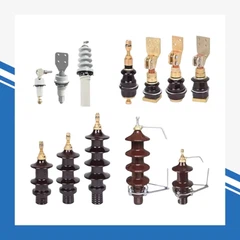
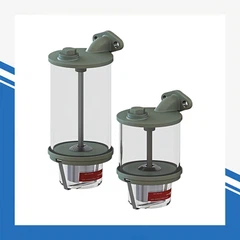
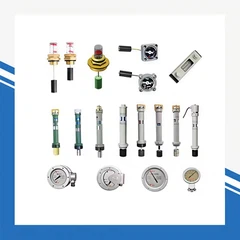
Some of our popular transformer products include Transformer butterfly valves, Transformer Brass Valves, Valves for Oil Transformers, Transformer Drain Valves, and Transformer Oil Valve. These products are designed to provide reliable and efficient performance in a variety of valve applications.
Conclusion
Choosing the right mains transformer for valve is a critical decision that can have a significant impact on the performance and efficiency of your valve system. By considering factors such as voltage requirements, power rating, efficiency, size, temperature, and safety features, you can select a transformer that is best suited for your specific needs.
As a trusted supplier of mains transformers for valve, we are committed to providing our customers with high-quality products and excellent customer service. If you have any questions or need assistance in choosing the right transformer for your valve application, please do not hesitate to contact us. We look forward to the opportunity to work with you and help you find the perfect solution for your needs.
References
- Electrical Engineering Handbook, Third Edition, Edited by Richard C. Dorf
- Power Electronics: Converters, Applications, and Design, Third Edition, by Ned Mohan, Tore M. Undeland, and William P. Robbins
- Transformers: Principles, Applications, and Maintenance, by Ian Rae