







What are the high - temperature properties of grade silicon steel sheet?
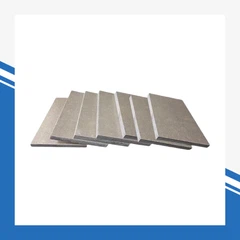
As a reputable supplier of grade silicon steel sheets, I am often asked about the high - temperature properties of these essential materials. Silicon steel sheets, widely used in transformers, motors, and various electrical equipment, play a crucial role in the electrical industry. Understanding their high - temperature characteristics is vital for ensuring the efficient and reliable operation of these applications.


Thermal Stability
Grade silicon steel sheets are known for their relatively good thermal stability within a certain temperature range. When exposed to high temperatures, the first thing that happens is a change in their magnetic properties. The magnetic permeability, which is a measure of how easily a material can be magnetized, starts to decline as the temperature rises. This is due to the fact that thermal energy causes the magnetic domains within the silicon steel to become more disordered.
For most grade silicon steel sheets, the Curie temperature is a critical point. The Curie temperature is the temperature at which a ferromagnetic material loses its ferromagnetism and becomes paramagnetic. In the case of silicon steel, the Curie temperature is typically around 700 - 800°C. However, in normal operating conditions, electrical devices using silicon steel sheets are designed to operate well below this temperature.
Electrical Resistivity
Another important high - temperature property is the change in electrical resistivity. As the temperature of the grade silicon steel sheet increases, its electrical resistivity also rises. This is in accordance with the general principle of metals, where the increased thermal motion of atoms and electrons leads to more frequent collisions, thus impeding the flow of electric current.
The increase in electrical resistivity has a significant impact on the performance of electrical devices. In transformers, for example, higher resistivity means increased power losses in the form of heat. These losses not only reduce the efficiency of the transformer but also require more sophisticated cooling systems to maintain safe operating temperatures.
Mechanical Properties
High temperatures can also affect the mechanical properties of grade silicon steel sheets. At elevated temperatures, the material may experience a decrease in its yield strength and hardness. This can be a concern in applications where the silicon steel sheet is subject to mechanical stress, such as in motors where the rotor is constantly under centrifugal forces.
Moreover, thermal expansion is a critical mechanical property to consider. Silicon steel sheets expand when heated, and if not properly accounted for in the design of electrical equipment, this expansion can lead to mechanical stress, deformation, and even failure of the device. Designers need to carefully calculate the thermal expansion coefficient of the grade silicon steel sheet used and incorporate appropriate expansion joints or clearances in the equipment.
Impact on Electrical Equipment Performance
The high - temperature properties of grade silicon steel sheets directly impact the performance of electrical equipment. In transformers, the decrease in magnetic permeability and increase in electrical resistivity at high temperatures lead to reduced efficiency, increased heat generation, and potential overheating. This can shorten the lifespan of the transformer and increase the risk of electrical failures.
In motors, the changes in mechanical properties at high temperatures can affect the reliability and performance of the motor. A decrease in yield strength and hardness may cause the motor to experience more wear and tear, leading to increased maintenance requirements and potential breakdowns.
Comparison with Other Materials
When comparing grade silicon steel sheets with other magnetic materials, such as Toroidal Amorphous Core and Amorphous Core for Motor, there are some notable differences in high - temperature properties. Amorphous metals generally have lower core losses at high frequencies and can operate at relatively high temperatures with better efficiency compared to silicon steel. However, grade silicon steel sheets are more widely used due to their relatively lower cost and better mechanical properties in some applications.
Applications and Considerations
Different grades of silicon steel sheets are used in various applications based on their high - temperature properties. For example, Oriented silicon steel is commonly used in transformers because of its excellent magnetic properties in the rolling direction. These properties remain relatively stable within a certain high - temperature range, making it suitable for power transformers that may experience moderate temperature rises during operation.
CRGO Silicon Steel, or Cold - Rolled Grain - Oriented Silicon Steel, is another popular choice for high - efficiency transformers. It has even better magnetic properties and can withstand slightly higher temperatures compared to non - oriented silicon steel.
Design Guidelines for High - Temperature Applications
When designing electrical equipment using grade silicon steel sheets for high - temperature applications, several guidelines should be followed. First, proper cooling systems should be implemented to keep the temperature of the silicon steel sheet within an acceptable range. This can include air cooling, oil cooling (such as in Oil - immersed Transformer Core), or water cooling depending on the specific requirements of the application.
Secondly, the selection of the appropriate grade of silicon steel sheet is crucial. Factors such as the maximum operating temperature, the required magnetic properties, and the mechanical stress the material will be subjected to should all be considered.
Contact for Procurement
If you are in the market for high - quality grade silicon steel sheets with excellent high - temperature properties, I invite you to contact us for a procurement discussion. We have a wide range of grades and specifications to meet your specific needs, whether you are involved in the manufacturing of transformers, motors, or other electrical equipment. Our team of experts is ready to assist you in making the right choice and ensuring a smooth procurement process.
References
- "Electrical Steel Handbook: Technology and Applications" by the Association of Iron and Steel Technology.
- "Magnetic Materials for Power Engineering" by several authors in the field of electrical engineering.
- Research papers published in IEEE Transactions on Magnetics and other relevant scientific journals.