








Hey there! As a supplier of valve power transformers, I often get asked about the phase relationship of these nifty devices. So, I thought I'd take a few minutes to break it down for you in a way that's easy to understand.
First things first, let's talk about what a valve power transformer is. Simply put, it's a type of transformer that's designed to supply power to the valves in electrical systems. These valves are crucial components in many applications, from power generation to industrial processes. They help control the flow of electricity and ensure that everything runs smoothly.


Now, onto the phase relationship. In electrical systems, phase refers to the position of a waveform in time relative to another waveform. When it comes to valve power transformers, the phase relationship is all about how the voltage and current waveforms in the primary and secondary windings interact with each other.
There are two main types of phase relationships in transformers: in-phase and out-of-phase. When the voltage and current waveforms in the primary and secondary windings are in-phase, it means that they reach their peak values at the same time. This is often the case in ideal transformers, where there's no phase shift between the primary and secondary sides.
On the other hand, when the waveforms are out-of-phase, it means that they reach their peak values at different times. This can happen due to a variety of factors, such as the presence of inductance or capacitance in the circuit. In valve power transformers, an out-of-phase relationship can have a significant impact on the performance of the valves.
For example, if the voltage and current waveforms are out-of-phase, it can lead to a phenomenon called "reactive power." Reactive power is the power that's used to create and maintain the magnetic fields in the transformer and other electrical components. While reactive power doesn't do any real work, it can cause problems in the electrical system, such as increased energy losses and reduced efficiency.
To ensure that the valve power transformers operate efficiently, it's important to maintain the correct phase relationship between the primary and secondary windings. This can be achieved through careful design and selection of the transformer, as well as proper installation and maintenance.
One way to control the phase relationship is by using special types of transformers, such as autotransformers or phase-shifting transformers. These transformers can be used to adjust the phase angle between the primary and secondary windings, allowing for more precise control of the power flow.
Another important factor to consider is the type of valves that are being used in the system. Different types of valves have different requirements when it comes to the phase relationship of the power supply. For example, some valves may require a specific phase angle to operate correctly, while others may be more tolerant of phase variations.
As a supplier of valve power transformers, we understand the importance of getting the phase relationship right. That's why we offer a wide range of transformers that are designed to meet the specific needs of our customers. Whether you're looking for a standard transformer or a custom-designed solution, we've got you covered.
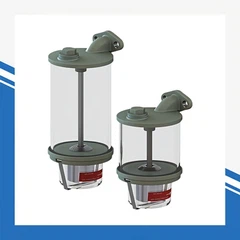
In addition to our high-quality transformers, we also offer a variety of accessories that can help you optimize the performance of your electrical system. For example, we offer Transformer Drain Valves, which are used to drain the oil from the transformer during maintenance or repair. We also offer Transformer Brass Valves, which are used to sample the oil in the transformer for analysis. And if you're looking for a reliable way to control the flow of coolant in your transformer, we offer Transformer ball valve.
If you're in the market for a valve power transformer or any of our accessories, we'd love to hear from you. Our team of experts is here to help you find the right solution for your needs. Whether you have a specific question or you're ready to place an order, just give us a call or send us an email. We'll do our best to respond to you as quickly as possible.
In conclusion, the phase relationship of valve power transformers is an important factor to consider when designing and operating an electrical system. By understanding the basics of phase relationships and using the right equipment, you can ensure that your valves operate efficiently and reliably. And if you need any help along the way, don't hesitate to reach out to us. We're here to support you every step of the way.
References
- Electrical Engineering textbooks on power transformers
- Industry standards and guidelines for valve power transformers