






Let me tell you, silicon steel sheet is like the unsung hero in the electrical world. It's been around for ages and has gone through some amazing changes. As a silicon steel sheet supplier, I've seen firsthand how this material has evolved, so I thought I'd share its story with you.
The Early Days: The Discovery of Silicon Steel
Back in the late 19th century, the world was going through an electrical revolution. People were starting to use electricity on a much larger scale, and there was a big need for materials that could handle electrical currents more efficiently. That's when the magic of silicon steel was discovered.
In 1882, a British metallurgist named Robert Hadfield was playing around with different steel alloys. He found that when you add a small amount of silicon to steel, it changes the game. The silicon reduces the electrical losses in the steel, which is super important for electrical applications. This was a huge breakthrough because before that, regular steel had a lot of energy loss when used in electrical devices.
The First Steps in Commercial Production
In the early days, producing silicon steel was no easy feat. The technology wasn't as advanced as it is today, and the process was pretty labor - intensive. But as demand for more efficient electrical equipment grew, companies started to invest in research and development to improve the production of silicon steel.
By the early 1900s, the first commercial silicon steel sheets were being produced. These sheets were mainly used in small electrical devices like motors and generators. They were a big improvement over regular steel, but there was still a long way to go.
The Development of Oriented Silicon Steel
One of the most significant milestones in the history of silicon steel sheet development was the invention of Oriented silicon steel. In the 1930s, Norman P. Goss, an American metallurgist, made a remarkable discovery. He found a way to control the grain orientation in silicon steel during the manufacturing process.
This was a game - changer because oriented silicon steel has much lower core losses compared to non - oriented silicon steel. It's like giving your electrical device a super - boost in efficiency. Oriented silicon steel is mainly used in transformers, which are crucial for power transmission and distribution. When you think about how much electricity is used around the world, the impact of this invention is huge.
Post - World War II Expansion
After World War II, the demand for electricity skyrocketed. The world was rebuilding, and industries were growing rapidly. This led to a huge expansion in the production of silicon steel sheets. Manufacturers started to develop new production techniques to increase the quality and quantity of silicon steel.
New rolling and annealing methods were introduced, which made it possible to produce thinner and more uniform silicon steel sheets. Thinner sheets mean lower eddy - current losses, which further improves the efficiency of electrical devices.
The Rise of Non - Oriented Silicon Steel
While oriented silicon steel was great for transformers, there was also a need for a different type of silicon steel for other applications. That's where Non Oriented EI Sheet comes in. Non - oriented silicon steel has a more random grain orientation, which makes it suitable for applications where magnetic properties are needed in multiple directions, like in electric motors.


In the 1950s and 1960s, the production of non - oriented silicon steel started to increase. As the automotive industry grew, the demand for electric motors in cars also increased. Non - oriented silicon steel became the go - to material for these motors because of its good magnetic properties and relatively low cost.
Modern Developments: High - Performance Silicon Steel
In recent decades, the focus has been on developing high - performance silicon steel. With the increasing demand for energy - efficient electrical devices, manufacturers are constantly looking for ways to improve the magnetic properties of silicon steel.
New alloying elements are being added to the silicon steel to further reduce core losses and improve magnetic permeability. Advanced manufacturing techniques, like laser - cutting and precision rolling, are also being used to produce silicon steel sheets with even better quality.
The Role of Silicon Steel in the Green Energy Revolution
In today's world, the push for green energy is stronger than ever. Silicon steel plays a crucial role in this revolution. In wind turbines and solar power inverters, silicon steel sheets are used in the generators and transformers. These devices need to be as efficient as possible to convert renewable energy into usable electricity.
The low core losses of modern silicon steel mean that more of the energy generated by wind or solar power can be transferred to the grid. This is a big deal because it helps to reduce our reliance on fossil fuels and move towards a more sustainable future.
Our Offerings as a Supplier
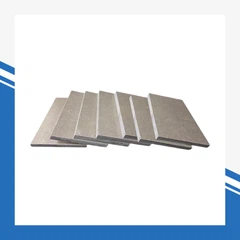
As a silicon steel sheet supplier, we've got a wide range of products to meet the diverse needs of our customers. We offer Silicon Iron Sheet for Transformer, which is made with high - quality materials and advanced manufacturing processes. Our oriented silicon steel sheets are perfect for high - efficiency transformers, and our non - oriented silicon steel sheets are great for electric motors.
We understand that every customer has different requirements, so we're always willing to work with you to find the best solution. Whether you need a large quantity for a big project or a small sample for testing, we've got you covered.
Contact Us for Your Silicon Steel Needs
If you're in the market for silicon steel sheets, we'd love to hear from you. We've got the experience and the products to meet your needs. Whether you're an electrical equipment manufacturer or a researcher working on a new project, we can provide you with the high - quality silicon steel sheets you need.
Just reach out to us and let's start a conversation. We're here to help you get the best silicon steel solutions for your business.
References
- "The Development of Electrical Steels" by J. F. Knott
- "Silicon Steel - A Key Material in Electrical Engineering" by R. H. Parker
- Industry reports on the electrical steel market over the past century