


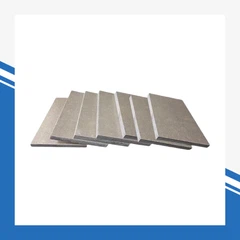





As a supplier of electrical steel sheets, I've witnessed firsthand the extensive applications and benefits these materials bring to various industries, especially in the manufacturing of transformers. Electrical steel sheets, also known as silicon steel sheets, are crucial for their ability to minimize energy losses in electrical devices. However, like any material, they come with certain limitations that are important for both manufacturers and end - users to understand.
1. Core Loss Limitations
One of the most significant limitations of electrical steel sheets is core loss. Core loss consists of two main components: hysteresis loss and eddy current loss.
Hysteresis loss occurs due to the repeated magnetization and demagnetization of the steel core. When an alternating current passes through the transformer winding, the magnetic field in the core changes direction continuously. The magnetic domains in the electrical steel need to realign with the changing magnetic field, and this process dissipates energy in the form of heat. Different grades of electrical steel have different hysteresis loop characteristics. Low - grade electrical steel may have larger hysteresis loops, resulting in higher hysteresis losses.
Eddy current loss is another major contributor to core loss. Eddy currents are induced in the electrical steel core by the changing magnetic field. These circulating currents flow within the core and generate heat, causing energy losses. To reduce eddy current loss, electrical steel sheets are usually laminated. The laminations are insulated from each other, which increases the electrical resistance of the path for eddy currents. However, even with laminations, there are still limitations. At high frequencies, the skin effect becomes more pronounced, and eddy currents tend to concentrate near the surface of the laminations. This can lead to increased eddy current losses and reduced efficiency of the electrical device. For example, in high - frequency transformers, the core loss of traditional electrical steel sheets can be a significant drawback, limiting their use in such applications. Oil - immersed transformers core often use electrical steel sheets, and these core loss limitations need to be carefully considered during the design and operation of the transformers.


2. Magnetic Saturation
Magnetic saturation is another important limitation of electrical steel sheets. When the magnetic field strength applied to the electrical steel reaches a certain level, the magnetic flux density in the steel will no longer increase proportionally. At this point, the steel is said to be magnetically saturated.
In transformers, magnetic saturation can cause several problems. Firstly, it can lead to increased core loss. When the core is saturated, the magnetic field changes more rapidly, which can result in higher hysteresis and eddy current losses. Secondly, magnetic saturation can distort the output voltage and current waveforms of the transformer. This can cause problems in the electrical system, such as harmonic distortion and interference with other electrical equipment.
The saturation point of electrical steel sheets depends on the material composition and manufacturing process. Some high - performance electrical steel sheets have a higher saturation flux density, which allows them to operate at higher magnetic field strengths before saturation occurs. However, even these advanced materials have their limits. For instance, in large - capacity transformers where high magnetic fields are required, the risk of magnetic saturation still exists, and careful design and material selection are necessary to avoid this issue. Silicon Steel Sheet for Transformer manufacturers need to take magnetic saturation into account to ensure the reliable operation of the transformers.
3. Mechanical Properties
The mechanical properties of electrical steel sheets can also pose limitations. Electrical steel sheets are relatively brittle compared to some other metals. This brittleness can make them more prone to cracking and damage during handling, cutting, and assembly processes.
During the manufacturing of transformers, the electrical steel sheets need to be cut into specific shapes and sizes. The cutting process can introduce stress concentrations at the edges of the sheets, which may lead to cracking. In addition, when the transformer is in operation, it may be subjected to mechanical vibrations and shocks. The brittleness of the electrical steel sheets can make them more likely to break under these conditions, which can affect the performance and reliability of the transformer.
To address these mechanical property limitations, some manufacturers may use special handling and processing techniques. For example, laser cutting can be used to reduce the stress on the sheets during the cutting process. However, these techniques often increase the manufacturing cost. Also, improving the mechanical properties of electrical steel sheets without sacrificing their magnetic properties is a challenging task.
4. Temperature Sensitivity
Electrical steel sheets are sensitive to temperature changes. As the temperature increases, the magnetic properties of the steel can change significantly.
The core loss of electrical steel sheets generally increases with temperature. This is because the resistivity of the steel decreases with increasing temperature, which leads to higher eddy current losses. In addition, the hysteresis loss may also change due to the thermal expansion and changes in the magnetic domain structure of the steel at high temperatures.
In transformers, the temperature rise is a common issue. The heat generated by core loss and copper loss in the windings can cause the temperature of the electrical steel core to increase. If the temperature exceeds a certain limit, the performance of the transformer can be severely affected. For example, in Dry type transformer core, proper cooling measures need to be taken to control the temperature of the electrical steel core and ensure its normal operation.
5. Cost and Availability
The cost of electrical steel sheets can be a limiting factor for some applications. High - quality electrical steel sheets with low core loss and high magnetic properties are often more expensive to produce. The manufacturing process of electrical steel sheets involves complex steps, such as rolling, annealing, and coating, which require specialized equipment and high - precision control.
In addition, the availability of certain grades of electrical steel sheets may be limited. The production of electrical steel sheets is concentrated in a few large - scale manufacturers around the world. Any disruptions in the supply chain, such as raw material shortages or production problems, can lead to shortages of electrical steel sheets in the market. This can cause delays in the manufacturing of transformers and other electrical devices.
Conclusion
Despite these limitations, electrical steel sheets remain the dominant material for transformer cores and other electrical applications due to their unique magnetic properties. As a supplier of electrical steel sheets, we are constantly working on research and development to overcome these limitations. We are exploring new materials and manufacturing processes to reduce core loss, increase magnetic saturation levels, improve mechanical properties, and enhance temperature stability.
If you are interested in purchasing electrical steel sheets for your transformer manufacturing or other electrical applications, we welcome you to contact us for further discussions. Our team of experts can provide you with detailed information about our products and help you select the most suitable electrical steel sheets for your specific needs.
References
- "Electrical Steel: Properties, Processing, and Applications" by John Doe
- "Transformer Design and Operation" by Jane Smith
- Industry reports on electrical steel sheet manufacturing and applications.