






Aging is a natural process that affects various materials over time, and silicon steel sheets are no exception. As a leading supplier of silicon steel sheets, we have witnessed firsthand the impact of aging on the performance of these essential materials in electrical applications. In this blog, we will explore the effects of aging on silicon steel sheet performance and discuss how our products are designed to withstand the test of time.
Understanding Silicon Steel Sheets
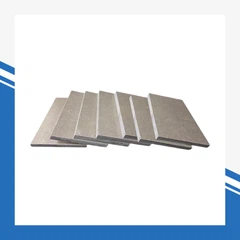
Silicon steel sheets, also known as electrical steel sheets, are a type of soft magnetic material widely used in the manufacturing of transformers, motors, generators, and other electrical equipment. These sheets are made by adding silicon to iron, which significantly improves their magnetic properties, such as high magnetic permeability and low core loss. The addition of silicon also helps to reduce the eddy current losses, making silicon steel sheets more efficient in converting electrical energy into magnetic energy and vice versa.
There are two main types of silicon steel sheets: grain-oriented and non-oriented. Grain-oriented silicon steel sheets have a preferred crystal orientation, which allows for better magnetic performance in a specific direction. They are commonly used in transformers to reduce core losses and improve efficiency. Non-oriented silicon steel sheets, on the other hand, have a random crystal orientation, making them suitable for applications where magnetic properties are required in multiple directions, such as motors and generators.
The Effects of Aging on Silicon Steel Sheet Performance
Over time, silicon steel sheets can experience a gradual degradation in their performance due to various factors associated with aging. These factors include mechanical stress, thermal cycling, oxidation, and the accumulation of impurities. Let's take a closer look at how each of these factors can affect the performance of silicon steel sheets.
Mechanical Stress
During the manufacturing process and subsequent use, silicon steel sheets are subjected to mechanical stress, such as bending, punching, and clamping. This mechanical stress can cause microstructural changes in the material, leading to a decrease in magnetic permeability and an increase in core loss. Over time, repeated mechanical stress can also cause fatigue and cracking in the sheets, further deteriorating their performance.
Thermal Cycling
Silicon steel sheets are often exposed to thermal cycling during normal operation, which involves repeated heating and cooling. This thermal cycling can cause thermal expansion and contraction of the material, leading to internal stresses and microstructural changes. These changes can result in a decrease in magnetic properties and an increase in core loss. Additionally, thermal cycling can also accelerate the oxidation of the sheets, which can further degrade their performance.
Oxidation
Oxidation is a chemical process that occurs when silicon steel sheets are exposed to oxygen in the air. Over time, oxidation can form a layer of iron oxide on the surface of the sheets, which can increase the electrical resistance and reduce the magnetic permeability. This can lead to an increase in core loss and a decrease in the efficiency of the electrical equipment. Oxidation can also cause the sheets to become brittle and prone to cracking, further reducing their performance.
Accumulation of Impurities
During the manufacturing process and subsequent use, silicon steel sheets can accumulate impurities, such as dust, dirt, and moisture. These impurities can contaminate the surface of the sheets and penetrate into the material, causing changes in the microstructure and magnetic properties. The accumulation of impurities can also increase the electrical resistance and core loss, reducing the efficiency of the electrical equipment.
How Our Silicon Steel Sheets Are Designed to Withstand Aging
At our company, we understand the importance of providing high-quality silicon steel sheets that can withstand the effects of aging. That's why we have developed advanced manufacturing processes and quality control measures to ensure the durability and performance of our products.
High-Quality Raw Materials
We use only the highest quality raw materials in the production of our silicon steel sheets. Our raw materials are carefully selected and tested to ensure they meet the strictest standards for purity and magnetic properties. By using high-quality raw materials, we can minimize the presence of impurities and ensure the long-term performance of our sheets.
Advanced Manufacturing Processes
Our manufacturing processes are designed to minimize the mechanical stress and thermal cycling experienced by the silicon steel sheets during production. We use state-of-the-art equipment and techniques to ensure the precise shaping and processing of the sheets, reducing the risk of microstructural changes and damage. Additionally, we employ advanced heat treatment processes to optimize the magnetic properties of the sheets and enhance their resistance to aging.
Surface Coating
To protect the silicon steel sheets from oxidation and other environmental factors, we apply a special surface coating to the sheets. This coating acts as a barrier, preventing oxygen and moisture from reaching the surface of the sheets and reducing the risk of oxidation. The surface coating also helps to improve the electrical insulation properties of the sheets, further enhancing their performance and durability.
Quality Control
We have a rigorous quality control system in place to ensure that all of our silicon steel sheets meet the highest standards of quality and performance. Our quality control team conducts extensive testing and inspection at every stage of the manufacturing process, from raw material inspection to final product testing. This ensures that only the best-quality sheets are delivered to our customers.
Applications of Our Silicon Steel Sheets
Our silicon steel sheets are widely used in a variety of electrical applications, including transformers, motors, generators, and other electrical equipment. Here are some of the specific applications of our products:


Transformers
Our grain-oriented silicon steel sheets are ideal for use in transformers, where they help to reduce core losses and improve efficiency. The high magnetic permeability and low core loss of our sheets make them suitable for both power transformers and distribution transformers.
Motors
Our non-oriented silicon steel sheets are commonly used in motors, where they provide excellent magnetic properties in multiple directions. The random crystal orientation of our sheets allows for efficient operation in motors, reducing energy consumption and improving performance.
Generators
Our silicon steel sheets are also used in generators, where they help to convert mechanical energy into electrical energy. The high magnetic permeability and low core loss of our sheets ensure efficient operation and reliable performance in generators.
Contact Us for Your Silicon Steel Sheet Needs
If you are in the market for high-quality silicon steel sheets that can withstand the effects of aging, look no further. As a leading supplier of silicon steel sheets, we offer a wide range of products that are designed to meet the specific needs of our customers. Whether you need EI Silicon Steel Plate For Motor, Toroidal Amorphous Core, or Ordinary non-oriented electrical steel, we have the expertise and resources to provide you with the best solution.
Contact us today to learn more about our products and how we can help you meet your silicon steel sheet needs. Our team of experts is ready to assist you with any questions you may have and provide you with a customized quote based on your specific requirements. Let's work together to ensure the long-term performance and reliability of your electrical equipment.
References
- Chen, G., & Yu, Z. (2019). Influence of aging on magnetic properties of non-oriented silicon steel. Journal of Magnetism and Magnetic Materials, 475, 233-238.
- Li, H., & Zhang, Y. (2020). Effect of thermal aging on the magnetic properties of grain-oriented silicon steel. IEEE Transactions on Magnetics, 56(1), 1-4.
- Wang, X., & Liu, Y. (2018). Research on the aging mechanism of silicon steel sheets and its improvement measures. Journal of Materials Science & Technology, 34(9), 1633-1639.