






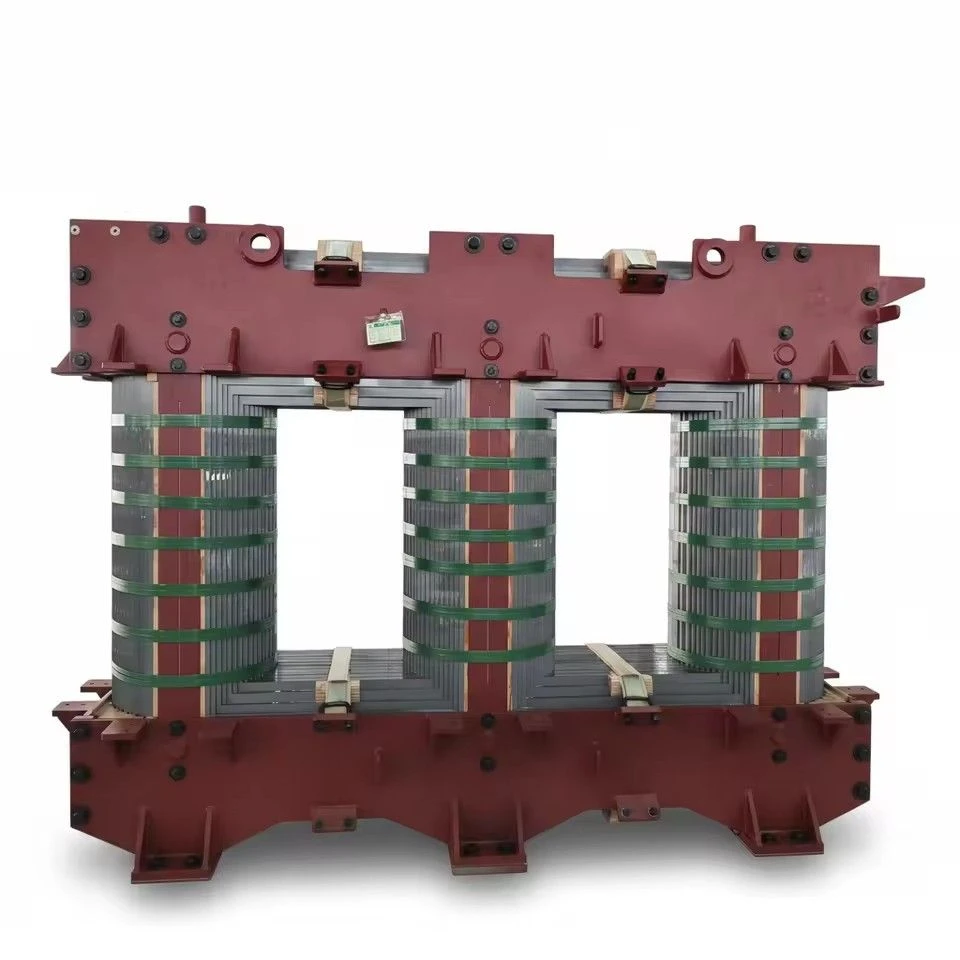
Hey there! As a supplier of grade silicon steel sheets, I often get asked about the coefficient of thermal expansion for different grades of silicon steel sheet. It's a pretty important topic, especially when it comes to applications like transformers, where thermal expansion can have a big impact on performance. So, let's dive in and take a closer look at this.
Who Is Weshare?
We are the engineers and sourcing specialists of Hangzhou Weshare Import & Export Co., Ltd. (Weshare), and thermal questions like this one land on our desks every week - because every temperature question eventually becomes a materials question. A transformer runs hot, and heat does not stop at the core: it travels into the insulation, the windings, the pressboard and the tank, and each material answers temperature in its own way.
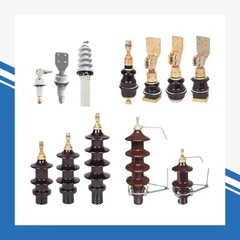
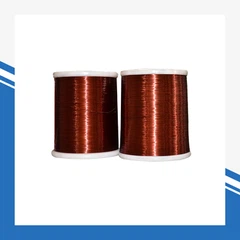
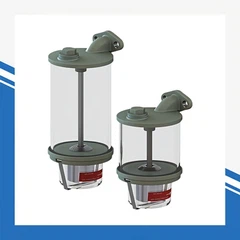
Weshare was founded in 2005 as a transformer-component manufacturer and exporter, and for more than 20 years we have supplied the materials that have to live together inside that temperature envelope: grain-oriented and non-oriented silicon steel sheets, EI and amorphous cores, insulation paper, pressboard and DMD/DDP composites, mica insulation, winding wire, tap changers, valves, bushings and assembly accessories. About 85% of our output is exported, serving more than 1,000 customers across 100+ countries in East Asia, Northern Europe, the Middle East, South America, Egypt and East Africa.
One-stop core-and-insulation package: We supply the steel and the insulation together, so thermal behavior is matched as a system rather than guessed at part by part.
Where the numbers come from: ISO9001, UL and SGS aligned quality system, material data supplied with every order, and test verification supported by our cooperation with a Zhejiang University laboratory.
Engineering depth: Strategic cooperation references including ABB (Hitachi), 12% of profit reinvested in R&D, and a two-decade team that has seen real cores fail - and fixed them.
What a customer can expect: A Time & Action calendar within 1 day after PO, corrective action plans within 12 hours, and free technical discussion before you commit to a grade.
First off, what exactly is the coefficient of thermal expansion?
Well, it's a measure of how much a material expands or contracts when its temperature changes. In simple terms, it tells us how much a piece of silicon steel sheet will grow or shrink as it gets hotter or colder. This is crucial because in applications like transformers, where temperature fluctuations are common, we need to make sure that the silicon steel sheet can handle these changes without causing any issues.
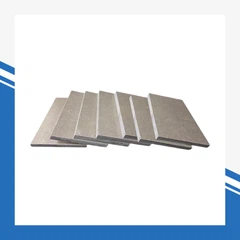
Now, different grades of silicon steel sheet have different coefficients of thermal expansion. The most common grades of silicon steel used in transformers are M36, M45, and M5. Each of these grades has its own unique properties, including a different coefficient of thermal expansion.
Let's start with M36. This is a high - quality grade of silicon steel that is often used in high - efficiency transformers. The coefficient of thermal expansion for M36 is relatively low. This means that it doesn't expand or contract too much when the temperature changes. This is great for transformers because it helps to maintain the shape and integrity of the core, which in turn improves the overall performance of the transformer.
M45 is another popular grade. It's a bit more cost - effective than M36, but still offers good performance. The coefficient of thermal expansion for M45 is slightly higher than that of M36. While it can still handle temperature changes well, it might expand or contract a bit more than M36. However, for many applications, this difference is not significant enough to cause any major problems.
M5 is a lower - cost option. It has a higher coefficient of thermal expansion compared to M36 and M45. This means that it will expand and contract more when the temperature changes. In some cases, this could potentially lead to issues such as mechanical stress on the transformer core. But for less demanding applications, M5 can still be a viable choice.
So, why does the coefficient of thermal expansion matter so much in transformers? Well, when a transformer is in operation, it generates heat. This heat causes the silicon steel sheet in the core to expand. If the coefficient of thermal expansion is too high, the expansion can cause the core to deform, which can lead to a decrease in efficiency and even damage to the transformer. On the other hand, if the coefficient is too low, it might not be able to handle the normal temperature changes that occur during operation.
When choosing the right grade of silicon steel sheet for a transformer, it's important to consider the specific requirements of the application. For high - end, high - efficiency transformers, M36 might be the best choice because of its low coefficient of thermal expansion. For more cost - sensitive applications, M45 or M5 could be considered, but you need to be aware of the potential issues related to thermal expansion.
Now, let's talk about some of the other types of materials used in transformers. There are also options like Silicon Steel Plate For Transformer and Amorphous Steel Core. Amorphous steel cores have a very low coefficient of thermal expansion, which makes them ideal for applications where temperature stability is crucial. However, they are often more expensive than traditional silicon steel sheets.
Oil - immersed transformers core also use silicon steel sheets. The oil helps to cool the transformer, but the thermal expansion of the silicon steel still needs to be considered.
As a supplier of grade silicon steel sheets, I understand the importance of choosing the right material for your specific application. Whether you're looking for a high - performance grade like M36 or a more cost - effective option like M5, I can help you find the right silicon steel sheet for your needs.
Where Thermal-Expansion Mismatches Hurt Transformer Manufacturers
In the field, the coefficient of thermal expansion is rarely a problem on its own - it becomes a problem when it is ignored, mis-specified or mixed with materials that respond to heat differently. These are the situations we see most often when transformer manufacturers call us:
A grade name that tells you too little. "M36", "M45" or "M5" on a quotation says almost nothing about real performance at operating temperature: core loss at working induction, actual thermal behavior, coating class or thickness tolerance. Comparing quotes becomes comparing labels, not materials.
The core and the insulation aging at different rates. Every load cycle expands the steel while the surrounding insulation paper and pressboard creep and degrade at rated winding temperature. When the thermal budgets of core and insulation are not matched at the design stage, the result shows up years later as loosened clamping, edge pressure marks and premature insulation aging.
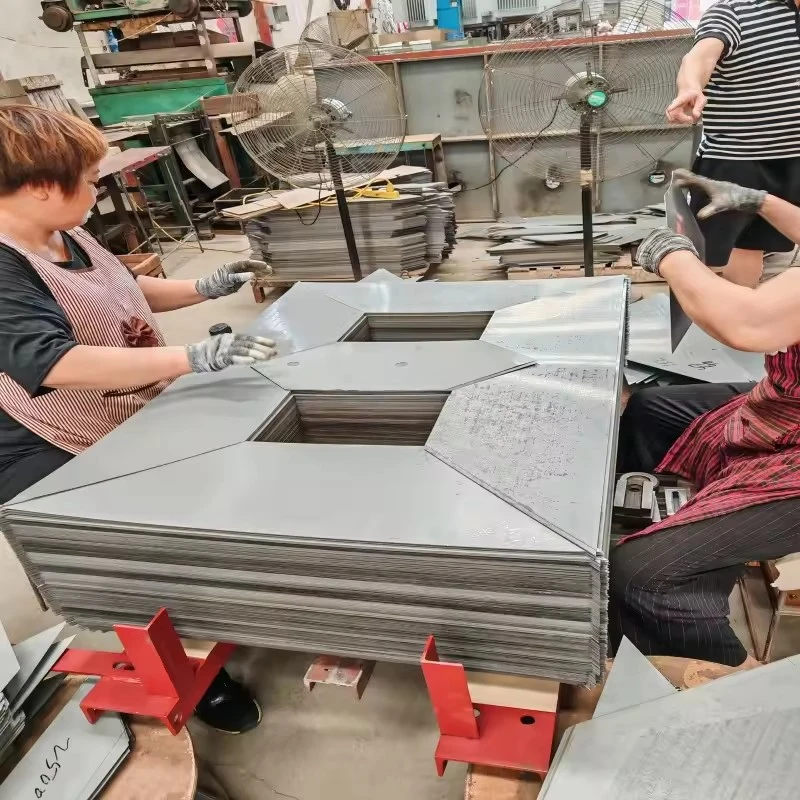
Hot spots that start a spiral. Higher-loss steel runs hotter; hotter steel expands more in local areas, which can buckle laminations, raise noise and increase loss further. What began as a small temperature difference becomes a performance and reliability problem.
Post-processing stress added to thermal stress. Slitting, shearing and annealing all leave stress in the sheet. Poorly controlled processing produces waves and burrs that combine with in-service thermal stress, lowering the stacking factor and raising the excitation current of the finished core.
One material choice for two different thermal worlds. Oil-immersed and dry-type transformers run at very different temperature envelopes. Using the same grade, coating and insulation combination for both quietly shortens the life of one of them.
No single owner of the thermal package. When the core steel, the cutting, the insulation and the winding come from different vendors, no one validates how the materials behave together under heat - and no one answers when they do not.
How Weshare Removes the Guesswork, Spec by Spec
| Where it hurts | How Weshare fixes it |
|---|---|
| Grade claims without supporting data | Certified material sources with traceability from mill to lamination; core-loss, permeability, coating and dimensional data supplied with every order, backed by an ISO9001, UL and SGS aligned quality system. |
| Core and insulation aging at different rates | Core-and-insulation package supplied together from one source - silicon steel and cores, insulation paper and pressboard and DMD/DDP composites selected as a matched thermal system for your winding temperature class. |
| Hot spots and loss spiral | Application engineering helps you pick the grade whose losses suit your induction and cooling design - whether that is a premium low-loss grade for high-efficiency transformers or an amorphous core where temperature stability matters most. |
| Waves and burrs from processing | Precision slitting, shearing and flatness control keep laminations clean and stackable, so thermal stress in service does not meet hidden processing stress. |
| One grade forced into two thermal worlds | Grade, gauge, coating and insulation recommended separately for oil-immersed and dry-type designs, so each application gets its own thermal budget. |
| Divided accountability for the thermal package | One accountable partner for steel, cores, insulation and winding materials, with coordinated lead times - plus failure analysis and material alternatives when a unit comes back from the field. |
Why OEMs Trust Weshare with Their Core-and-Insulation Package
Choosing a grade by its thermal behavior is only half the decision; the other half is choosing who supplies it. Manufacturers who work with Weshare on temperature-sensitive designs tend to stay for four reasons:
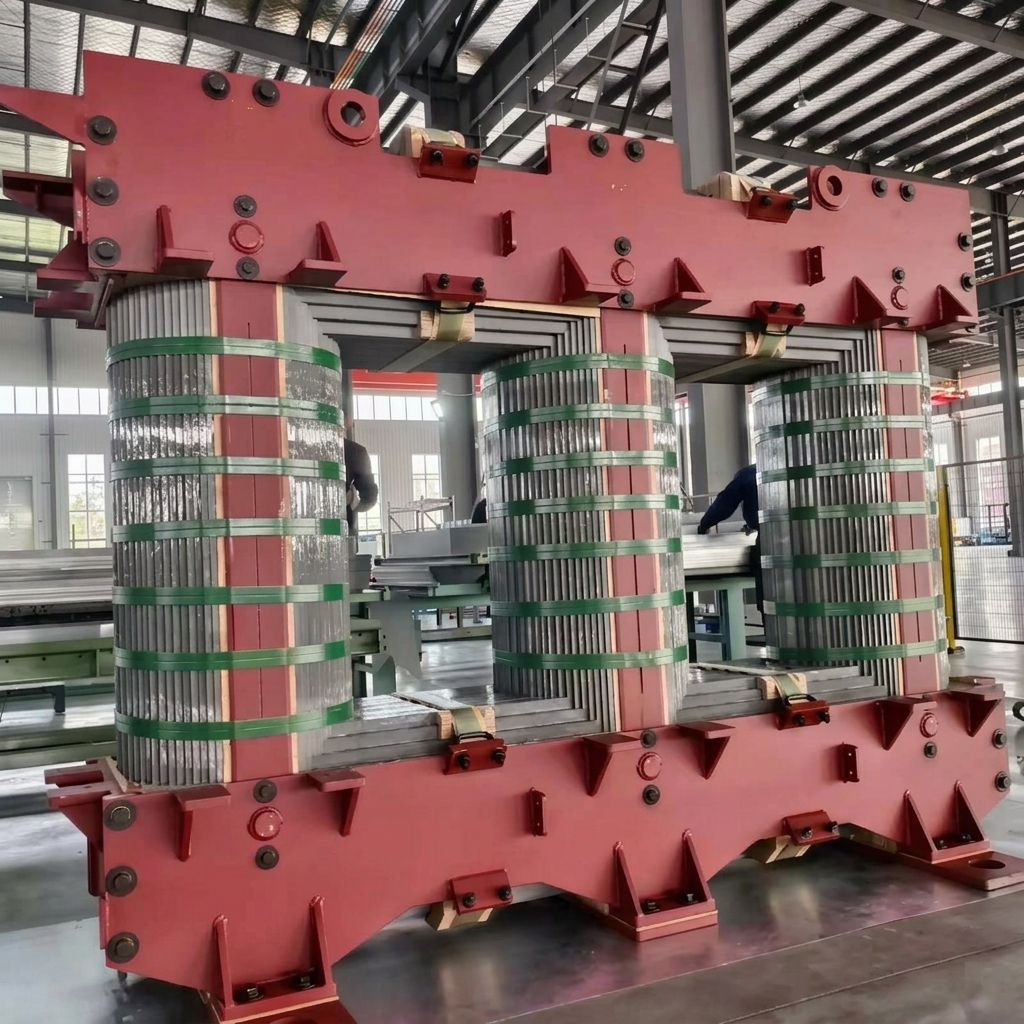
Materials selected as a system, not as parts. Because we supply both the magnetic core and the insulation that surrounds it, we can validate that a core-and-insulation combination suits your oil-immersed or dry-type temperature class before it reaches your production line.
Data you can put in your design file. Material certificates, test reports and verification through our Zhejiang University laboratory cooperation give your engineers numbers they can actually design against.
Built for export projects. 85% of our output serves overseas transformer manufacturers, so documentation, packaging and quality procedures already follow international acceptance practice.
Support that starts before the PO. Send us your target induction, winding temperature class or your drawing, and our engineers will recommend the grade, coating and insulation package - with samples available for your own evaluation - within one working day.
If you're in the market for silicon steel sheets for your transformers or other applications, don't hesitate to reach out. We can have a detailed discussion about your requirements, and I can provide you with samples and more information about the different grades and their coefficients of thermal expansion. Let's work together to find the perfect solution for your project.
Contact Weshare
Email: tongchao@weshare-china.com
WhatsApp: +86 186 5882 7883
Explore more: Silicon Steel Plate For Transformer · Amorphous Steel Core · About Weshare
References:
"Handbook of Electrical Steel" - A comprehensive guide on the properties and applications of electrical steel, including silicon steel sheets.
Industry reports on transformer materials and their performance in different temperature conditions.