










Hey there! As a supplier of mains transformers for valves, I've been getting a lot of questions about what happens when you use these transformers in a DC circuit. So, I thought I'd take a deep dive into this topic and share some insights with you all.
Let's start with the basics. A mains transformer is designed to work with alternating current (AC). It uses the principle of electromagnetic induction to transfer electrical energy between two or more circuits through a changing magnetic field. When an AC voltage is applied to the primary winding of the transformer, it creates a magnetic field that varies in strength and direction. This changing magnetic field then induces a voltage in the secondary winding, allowing power to be transferred from the primary to the secondary circuit.
But what about DC circuits? Direct current flows in only one direction, and it doesn't create the changing magnetic field that a transformer needs to operate. So, using a mains transformer for a valve in a DC circuit can have some significant effects, both positive and negative.
Positive Effects
1. Voltage Regulation
One of the potential benefits of using a mains transformer in a DC circuit is voltage regulation. If you have a DC power source that has some fluctuations in voltage, the transformer can help smooth out these variations. For example, if your DC power supply has a tendency to produce higher voltages at certain times, the transformer can step down the voltage to a more stable level. This is especially important for valves that require a specific and consistent voltage to operate properly.
2. Isolation
Transformers provide electrical isolation between the primary and secondary circuits. In a DC circuit, this isolation can be crucial for safety reasons. It can prevent electrical shocks and protect sensitive electronic components in the valve from any potential voltage spikes or surges in the power source. For instance, if there's a short - circuit in the primary DC circuit, the isolation provided by the transformer can prevent damage to the valve connected to the secondary circuit.
Negative Effects
1. Core Saturation
One of the biggest problems when using a mains transformer in a DC circuit is core saturation. The core of a transformer is made of a magnetic material, usually iron. In an AC circuit, the alternating current causes the magnetic field in the core to constantly change direction. However, in a DC circuit, the magnetic field in the core builds up in one direction and can reach a point where the core becomes saturated. When the core is saturated, it can no longer effectively transfer energy, and the transformer can overheat. This can lead to a significant reduction in the transformer's efficiency and even cause damage to the transformer itself.
2. No Induced Voltage
As mentioned earlier, transformers rely on a changing magnetic field to induce a voltage in the secondary winding. Since DC has a constant direction of flow, there's no changing magnetic field to induce a voltage in the secondary winding. So, in a pure DC circuit, the transformer won't be able to transfer power from the primary to the secondary circuit as it does in an AC circuit. You might think that you can use a DC - to - AC converter (inverter) to convert the DC to AC and then use the transformer, but that adds an extra layer of complexity and cost.
3. DC Bias
Another issue is DC bias. When a DC current is applied to the primary winding of the transformer, it can create a DC bias in the magnetic field of the core. This DC bias can distort the magnetic field and cause problems with the transformer's operation. It can also lead to increased losses in the transformer and affect the performance of the valve connected to the secondary circuit.


Impact on Valve Performance
The effects of using a mains transformer in a DC circuit can have a direct impact on the performance of the valve. If the transformer overheats due to core saturation, it can cause the valve to malfunction. Valves are often sensitive to temperature changes, and an overheating transformer can increase the temperature in the vicinity of the valve, potentially damaging its internal components.
Also, if the transformer fails to provide the proper voltage due to the lack of induced voltage in a DC circuit, the valve may not operate correctly. Valves typically require a specific voltage range to open and close properly, and any deviation from this range can lead to improper functioning, such as incomplete opening or closing, or even valve failure.
Solutions and Workarounds
If you still want to use a mains transformer for a valve in a DC circuit, there are some solutions and workarounds. One option is to use a DC - to - AC inverter. This device converts the DC power into AC power, which can then be used with the transformer. However, inverters can be expensive and add complexity to the system.
Another solution is to use a special type of transformer that is designed to handle DC components. These transformers are often more expensive than standard mains transformers, but they can provide better performance in DC circuits.
Our Products
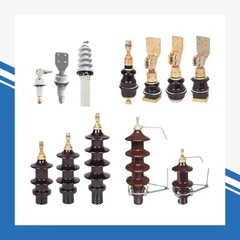
As a supplier of mains transformers for valves, we offer a wide range of high - quality transformers that are suitable for various applications. Whether you need a transformer for a small - scale valve in a domestic setting or a large - scale industrial valve, we've got you covered.
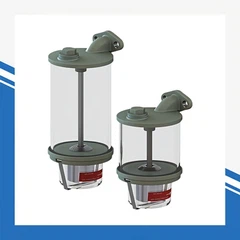
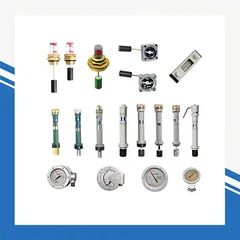
We also have a variety of valve accessories to complement our transformers. Check out our Transformer Brass Valves, Transformer Valve, and Transformer Oil Drain Valve for more options.
Contact Us for Purchase
If you're interested in purchasing our mains transformers for valves or any of our valve accessories, we'd love to hear from you. We can provide you with detailed information about our products, including specifications, pricing, and delivery options. Whether you have a specific requirement or just want to learn more about our offerings, feel free to reach out to us. We're here to help you find the best solution for your needs.
References
- "Electrical Engineering Principles and Applications" by Allan R. Hambley
- "Transformers: Theory, Design, and Applications" by John D. McDonald