








Transformers are crucial components in electrical power systems, and their accessories play a vital role in ensuring the proper functioning and safety of these transformers. As a supplier of transformer accessories, I have witnessed firsthand the various issues that can lead to accessory failures. In this blog, I will explore the common causes of transformer accessory failures, which can help in preventing such problems and maintaining the reliability of the power grid.
1. Electrical Overstress
One of the most common causes of transformer accessory failures is electrical overstress. This can occur due to several factors, such as voltage surges, short - circuits, and overloading.
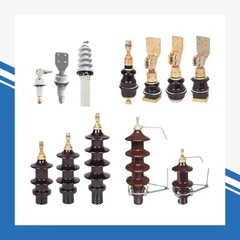
Voltage surges can be caused by lightning strikes, switching operations in the power system, or faults in neighboring electrical equipment. When a voltage surge hits a transformer, its accessories, like Bushing Flags, are exposed to extremely high voltages. These high voltages can exceed the insulation capabilities of the bushings, leading to insulation breakdown. Insulation breakdown can result in arcing, which not only damages the bushings but can also cause further damage to other transformer components.
Short - circuits are another major cause of electrical overstress. A short - circuit occurs when there is an unintended low - resistance connection between two conductors in the electrical system. The large current that flows during a short - circuit can cause excessive heating in transformer accessories. For example, the current - carrying conductors in the transformer's tap changers can overheat, leading to damage to the contacts and insulation. This can eventually result in the failure of the tap changer, which is an important accessory for voltage regulation.
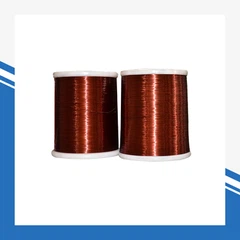
Overloading is also a significant factor. When a transformer is operated beyond its rated capacity, the current flowing through its accessories increases. This increased current generates more heat, and if the heat is not dissipated properly, it can cause thermal stress on the accessories. For instance, the windings of the transformer, which are an integral part of its operation, can overheat. This overheating can lead to the degradation of the insulation material, reducing its effectiveness and eventually causing a failure.
2. Mechanical Stress
Mechanical stress can also cause transformer accessory failures. Transformers are often subject to vibrations during operation, which can be due to the rotation of the electrical machinery nearby, or the movement of the transformer itself. These vibrations can cause mechanical stress on the accessories.
For example, the mounting brackets of the transformer accessories may loosen over time due to vibrations. If the Non Oriented Silicon Steel Sheet used in the transformer core is not properly secured, the vibrations can cause it to shift or even break. This can affect the magnetic properties of the core, leading to reduced efficiency and potential failure of the transformer.
In addition, external mechanical impacts can also damage transformer accessories. During transportation or installation, the transformer and its accessories may be subjected to bumps and knocks. A direct impact on a bushing can crack the insulation, making it more vulnerable to electrical overstress and other issues. Similarly, damage to the cooling fans or radiators can disrupt the cooling system of the transformer, leading to overheating and accessory failures.
3. Environmental Factors
Environmental factors can have a significant impact on the performance and lifespan of transformer accessories. High humidity is one such factor. Moisture can penetrate the insulation of the accessories, reducing its dielectric strength. For example, in the case of bushings, moisture can cause the formation of conductive paths, which can lead to partial discharges and eventually insulation breakdown.
Temperature extremes are also a concern. In very hot environments, the materials used in the transformer accessories can expand, causing mechanical stress. If the expansion is not properly accommodated, it can lead to cracks in the insulation or other components. On the other hand, in cold environments, the materials can contract, which can also cause mechanical stress and potentially lead to failures. For instance, the seals on the transformer oil tanks may become brittle in cold weather, leading to oil leaks.
Pollution is another environmental factor. Dust, dirt, and other contaminants can accumulate on the surface of the transformer accessories. This can reduce the insulation properties of the components and also cause tracking, which is a process where a conductive path is formed on the surface of the insulation due to the presence of contaminants. For example, the insulators in the transformer may be affected by pollution, leading to reduced insulation performance and potential failure.
4. Material Degradation
The materials used in transformer accessories can degrade over time, leading to failures. This degradation can be due to several factors, including aging, chemical reactions, and mechanical wear.
Aging is a natural process that affects all materials. Over time, the insulation materials in the transformer accessories, such as the Ordinary non - oriented electrical steel used in the core, can lose their mechanical and electrical properties. The insulation may become brittle, crack, or lose its ability to withstand electrical stress. This can lead to short - circuits and other failures.
Chemical reactions can also cause material degradation. For example, the transformer oil can react with oxygen in the air, forming acids and other by - products. These by - products can corrode the metal components of the accessories, such as the contacts in the tap changers. Corrosion can reduce the conductivity of the contacts, leading to increased resistance and overheating.
Mechanical wear is another factor. Components that are subject to frequent movement, such as the moving parts in the tap changers, can experience wear and tear. The friction between the moving parts can cause the surfaces to wear down, reducing the efficiency and reliability of the accessory.
5. Improper Installation and Maintenance
Improper installation and maintenance are significant causes of transformer accessory failures. During installation, if the accessories are not installed correctly, it can lead to problems. For example, if the bushings are not properly aligned or tightened, it can cause stress on the insulation and lead to premature failure.


Lack of proper maintenance can also exacerbate the problems. Regular maintenance is essential to detect and prevent potential issues. For example, routine inspections of the transformer accessories can help identify signs of wear, corrosion, or other problems. If these issues are not addressed in a timely manner, they can lead to failures. Additionally, proper maintenance of the cooling system, such as cleaning the radiators and checking the fan operation, is crucial to prevent overheating.
Preventive Measures and the Role of a Supplier
As a supplier of transformer accessories, we play a crucial role in helping our customers prevent accessory failures. We provide high - quality products that are designed to withstand various environmental and electrical conditions. Our Bushing Flags are made of high - quality insulation materials that can resist electrical overstress and environmental factors. Our Non Oriented Silicon Steel Sheet and Ordinary non - oriented electrical steel are carefully selected and processed to ensure optimal performance and durability.
We also offer technical support to our customers. Our team of experts can provide guidance on proper installation and maintenance of the transformer accessories. We can help customers develop maintenance schedules and provide training on how to detect and address potential issues.
If you are in need of reliable transformer accessories or have any questions about preventing accessory failures, we encourage you to contact us for a procurement discussion. Our team is ready to assist you in finding the best solutions for your transformer needs.
References
- Electric Power Systems: Analysis and Control by A. J. Wood and B. F. Wollenberg
- Transformer Engineering: Design, Technology, and Diagnostics by G. C. Alexander
- Insulation Coordination for Power Systems by M. S. Sachdev