







In the dynamic landscape of electrical engineering, the Transformer Core stands as a cornerstone component, pivotal in the efficient transfer of electrical energy. As a seasoned supplier of Transformer Cores, I've witnessed firsthand the intricate challenges that accompany their implementation. This blog post aims to delve into these challenges, offering insights from a supplier's perspective and highlighting the importance of addressing them for successful projects.
Material Selection and Quality
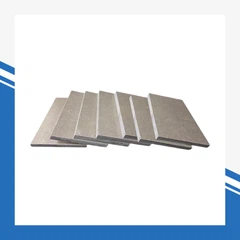
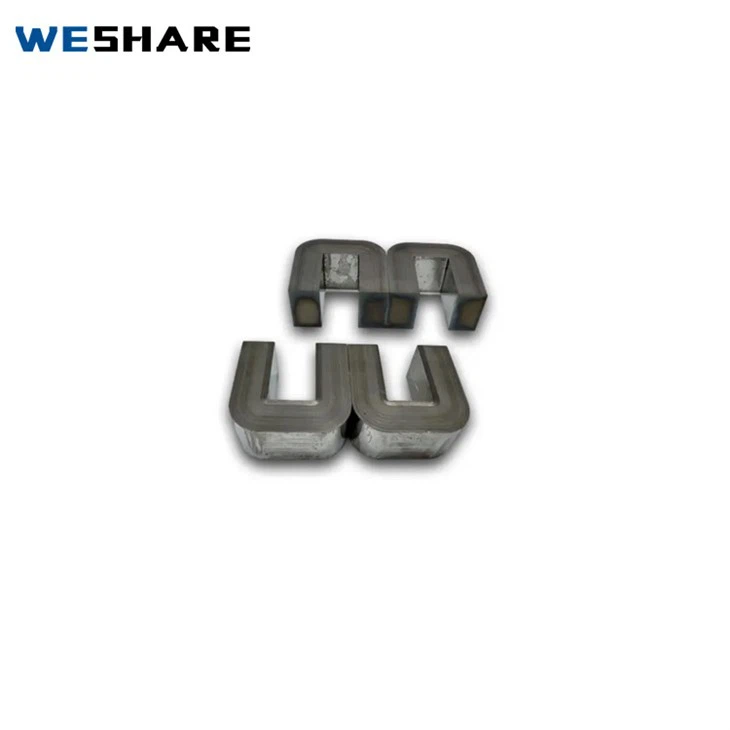
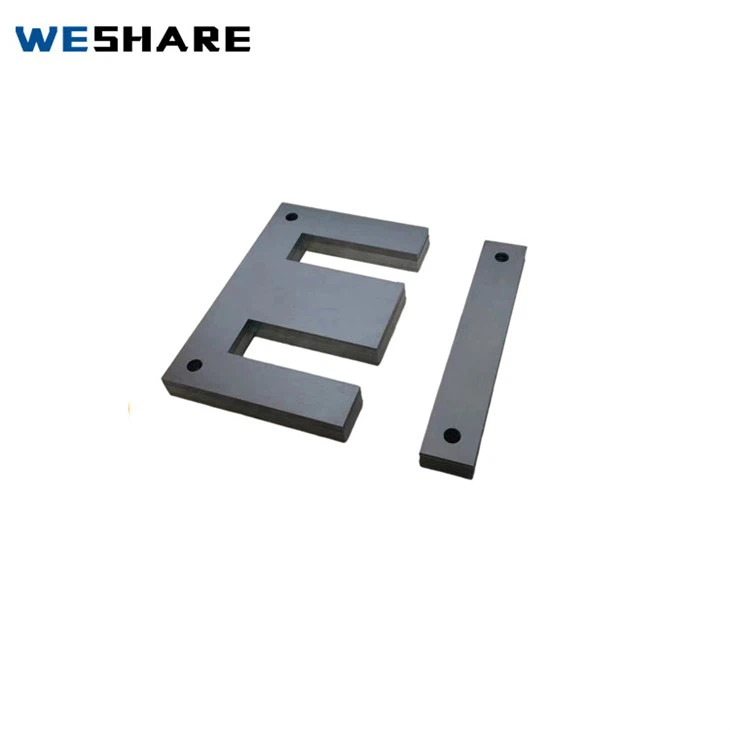
One of the primary challenges in implementing Transformer Cores lies in material selection. The choice of material significantly impacts the core's performance, efficiency, and longevity. For instance, silicon steel is a popular choice due to its low core loss and high magnetic permeability. However, not all silicon steel is created equal. The quality of Silicon Steel Plate For Motor and Electrical Silicon Steel Sheet can vary widely, depending on factors such as the manufacturing process, chemical composition, and surface finish.
As a supplier, ensuring the consistent quality of these materials is paramount. We must work closely with trusted manufacturers to source high - grade silicon steel. This involves rigorous quality control measures, including magnetic property testing, thickness measurement, and surface inspection. Any deviation in material quality can lead to increased core losses, reduced efficiency, and even premature failure of the transformer.
Design Complexity
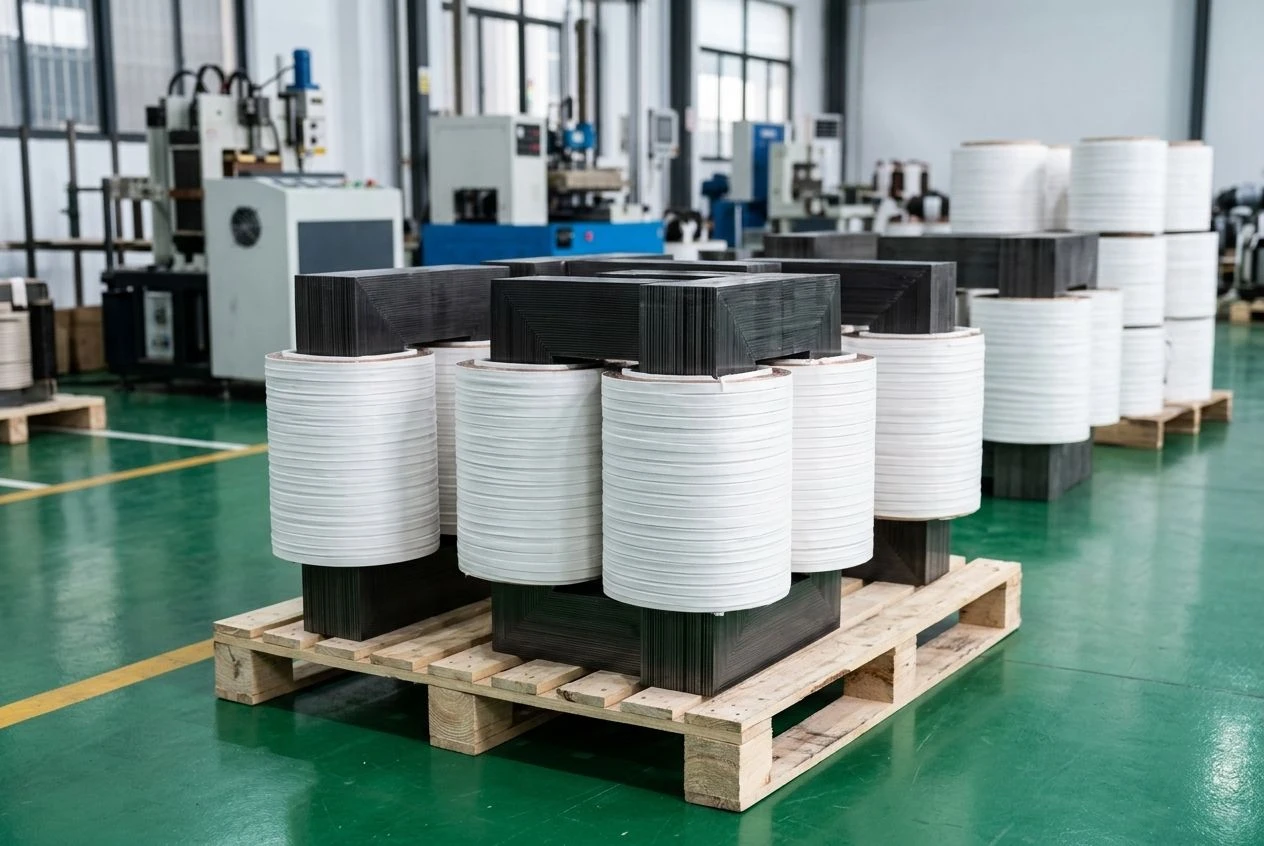
Transformer Core design is a complex process that requires a deep understanding of electromagnetic principles. The design must be optimized to meet specific application requirements, such as power rating, frequency, and voltage level. For high - frequency applications, the design of High Frequency Transformer Core presents unique challenges.
At high frequencies, skin effect and proximity effect become more pronounced, leading to increased eddy current losses. Designers must carefully consider the core geometry, winding configuration, and insulation materials to minimize these losses. Additionally, the core design must account for mechanical stresses, thermal management, and electromagnetic interference (EMI). Balancing these multiple factors requires advanced simulation tools and experienced engineering teams.
Manufacturing Precision
The manufacturing process of Transformer Cores demands a high level of precision. Any inaccuracies in cutting, stacking, or assembling the core laminations can have a significant impact on its performance. For example, misaligned laminations can increase magnetic reluctance, leading to higher core losses and reduced efficiency.
As a supplier, we invest in state - of - the - art manufacturing equipment and skilled labor to ensure precision in every step of the process. Computer - controlled cutting machines are used to achieve accurate dimensions of the laminations. Automated stacking systems are employed to ensure proper alignment and tight stacking of the laminations. Moreover, strict quality control checks are carried out at each stage of manufacturing to detect and correct any potential issues.
Thermal Management
Thermal management is another critical challenge in Transformer Core implementation. During operation, the core generates heat due to core losses. If this heat is not dissipated effectively, it can lead to overheating, which can degrade the insulation materials, reduce the lifespan of the transformer, and even pose a safety hazard.
To address this challenge, we must design the transformer with appropriate cooling mechanisms. This may include natural convection cooling, forced - air cooling, or liquid - cooling systems. The core design should also allow for efficient heat transfer, such as using materials with high thermal conductivity and optimizing the core geometry to increase the surface area for heat dissipation.
Cost - Effectiveness
In today's competitive market, cost - effectiveness is a major concern for both suppliers and customers. Implementing Transformer Cores that meet high - performance standards while keeping costs in check is a delicate balancing act. The cost of materials, manufacturing, and testing can quickly add up, especially when using high - grade materials and advanced manufacturing processes.
As a supplier, we strive to find innovative ways to reduce costs without compromising on quality. This may involve optimizing the design to use less material, streamlining the manufacturing process to increase efficiency, and negotiating favorable pricing with our suppliers. We also work closely with our customers to understand their budget constraints and offer customized solutions that meet their specific needs.
Environmental and Regulatory Compliance
In recent years, there has been an increasing focus on environmental and regulatory compliance in the electrical industry. Transformer Cores must comply with various international standards and regulations, such as those related to energy efficiency, electromagnetic compatibility (EMC), and hazardous substance restrictions.
Meeting these requirements adds another layer of complexity to the implementation process. We must stay updated with the latest regulations and ensure that our products are designed and manufactured to meet these standards. This may involve using environmentally friendly materials, implementing energy - efficient designs, and conducting extensive testing to demonstrate compliance.
Supply Chain Management
A reliable supply chain is essential for the successful implementation of Transformer Cores. Any disruptions in the supply of raw materials, such as silicon steel, can lead to production delays and increased costs. As a supplier, we face the challenge of managing a complex supply chain that involves multiple suppliers, transportation partners, and regulatory requirements.
To mitigate supply chain risks, we establish long - term partnerships with reliable suppliers. We also maintain a sufficient inventory of raw materials to buffer against potential shortages. Additionally, we closely monitor the global market trends and geopolitical factors that may impact the supply chain and develop contingency plans accordingly.
About Weshare
As a leading global supplier in the power equipment industry, Hangzhou Weshare Import & Export Co., Ltd. specializes in delivering high-performance transformer components, custom silicon steel transformer cores, electrical insulation materials, and advanced core-manufacturing machinery (such as core cutting lines and stacking machines). With strict quality control standards and deep technical expertise, Weshare provides global transformer manufacturers with reliable, one-stop solutions to overcome engineering challenges and optimize energy efficiency.
At Weshare, we understand the precise engineering required for high-efficiency power and distribution transformer cores. We integrate top-tier supply chains to offer high-permeability, low-loss silicon steel cores, alongside complete manufacturing equipment including automatic core slitting and cutting lines. Whether you need custom-engineered core laminations or full turn-key production support, Weshare delivers world-class precision, international standard compliance (IEC/ANSI), and cost-effective solutions for global power markets.
Conclusion
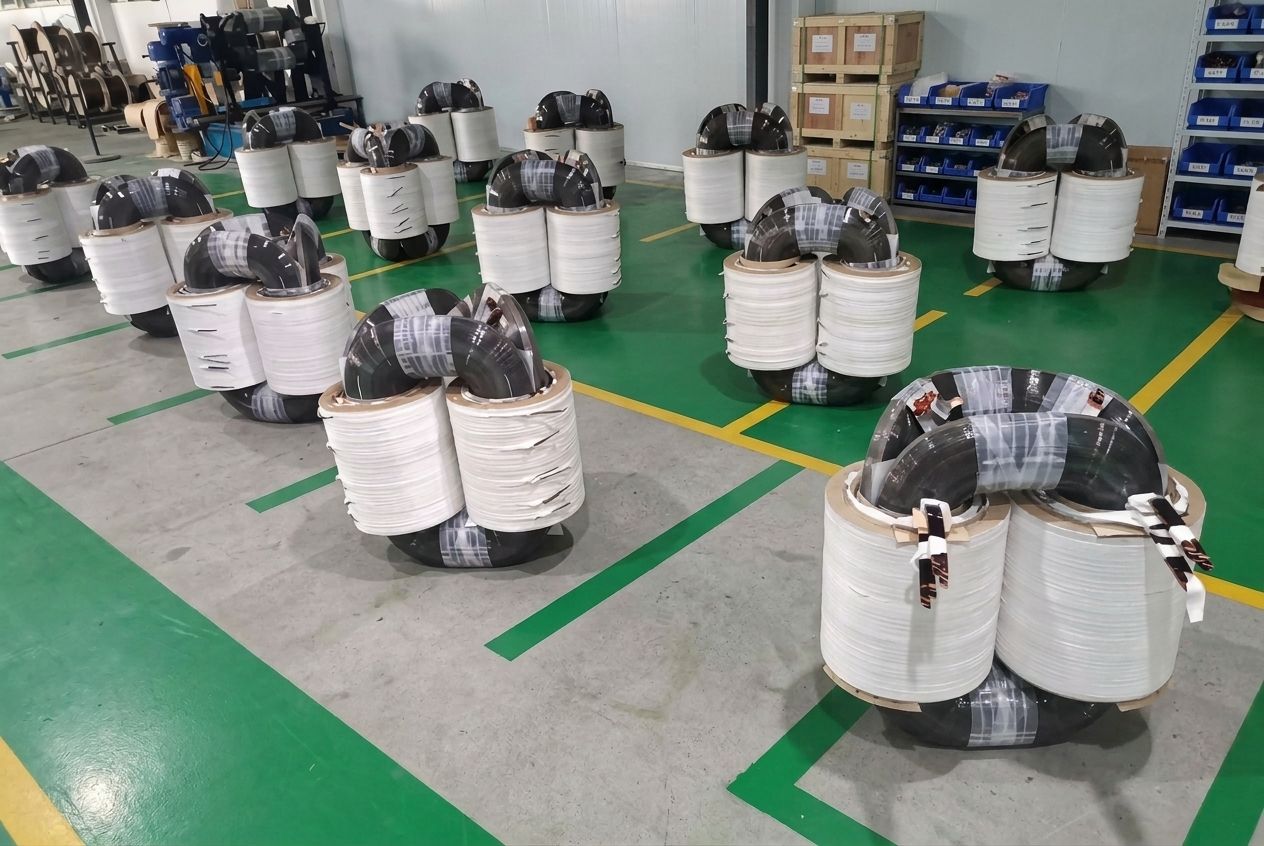
Implementing Transformer Cores is a complex process fraught with numerous challenges. From material selection and design complexity to manufacturing precision, thermal management, cost - effectiveness, environmental compliance, and supply chain management, each aspect requires careful consideration and expertise.
As a supplier, we are committed to overcoming these challenges to provide our customers with high - quality Transformer Cores that meet their specific needs. We continuously invest in research and development, quality control, and process improvement to stay ahead in this competitive market.
If you are in the market for Transformer Cores and are looking for a reliable supplier who understands these challenges and can offer innovative solutions, we invite you to reach out to us. Our team of experts is ready to engage in a detailed discussion about your requirements and work with you to find the best - fit Transformer Core for your project.
References
- Grover, F. W. (1946). Inductance Calculations: Working Formulas and Tables. Dover Publications.
- Chapman, S. J. (2012). Electric Machinery Fundamentals. McGraw - Hill Education.
- International Electrotechnical Commission (IEC). (Various years). Standards related to transformers and electrical equipment.