






Hey there! As a supplier of laminated wood, I often get asked, "Is laminated wood waterproof?" Well, let's dive right into this topic and find out the real deal.
First off, let's understand what laminated wood is. Laminated wood is made by bonding together multiple layers of wood veneers or lumber with adhesives. This process creates a stronger and more stable material compared to solid wood. There are different types of laminated wood, and each has its own properties when it comes to water resistance.
Factors Affecting Waterproofness of Laminated Wood
Type of Adhesive
The adhesive used in the lamination process plays a crucial role in determining the waterproofness of laminated wood. Some adhesives are designed to be water - resistant. For example, phenolic adhesives are known for their excellent water - resistance properties. They can withstand exposure to moisture for extended periods without losing their bonding strength. On the other hand, some cheaper adhesives may break down when exposed to water, causing the layers of the laminated wood to separate.
Wood Species
The type of wood used in the lamination also matters. Some wood species are naturally more resistant to water than others. For instance, teak and cedar have natural oils that make them more water - resistant. When these woods are used in laminated wood products, they can enhance the overall water - resistance of the material. However, woods like pine are more porous and absorb water more easily, which can reduce the waterproofness of the laminated wood if not properly treated.
Surface Treatment
The surface treatment of laminated wood can significantly impact its waterproofness. A good quality sealant or finish can create a barrier that prevents water from penetrating the wood. There are various types of finishes available, such as varnishes, paints, and stains. Varnishes, in particular, can provide a hard, protective coating that repels water. But if the surface treatment is not applied correctly or is of poor quality, water can still seep into the wood.
Different Applications and Waterproof Requirements
Interior Applications
In interior applications, the waterproof requirements for laminated wood are generally lower. For example, laminated wood used for furniture like cabinets or bookshelves may only need to resist occasional spills. In such cases, a basic surface finish can usually provide sufficient protection. However, if the laminated wood is used in a bathroom or kitchen where it may be exposed to more moisture, a more water - resistant adhesive and a high - quality sealant should be used.
Exterior Applications
When it comes to exterior applications, the waterproofness of laminated wood becomes a critical factor. Laminated wood used for outdoor decks, pergolas, or siding needs to withstand rain, snow, and humidity. In these situations, the laminated wood should be made with a water - resistant adhesive and treated with a durable, weather - resistant finish. Some manufacturers also use pressure - treating processes to further enhance the water - resistance of the wood.
My Experience as a Laminated Wood Supplier
Over the years, I've seen the demand for waterproof laminated wood grow. Customers are becoming more aware of the importance of using water - resistant materials, especially for outdoor projects. That's why we at our company focus on providing high - quality laminated wood products that meet different waterproof requirements.
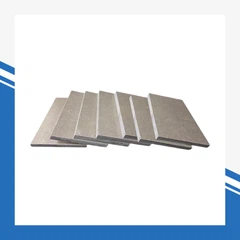
We offer a range of laminated wood options, including those made with water - resistant adhesives and various surface treatments. For example, our Compressed and Laminated Wood is designed to be highly durable and can withstand moderate exposure to water. It's a great choice for both interior and exterior applications.
We also have NHN Insulation Paper which can be used in combination with laminated wood in some insulation projects. This paper has its own properties that can contribute to the overall performance of the laminated wood system, including some level of water - resistance in certain environments.
Another product we offer is the Phenolic Cotton Fabric Laminate Sheet. This sheet is known for its strength and water - resistance, making it suitable for applications where moisture is a concern.
Testing the Waterproofness of Laminated Wood
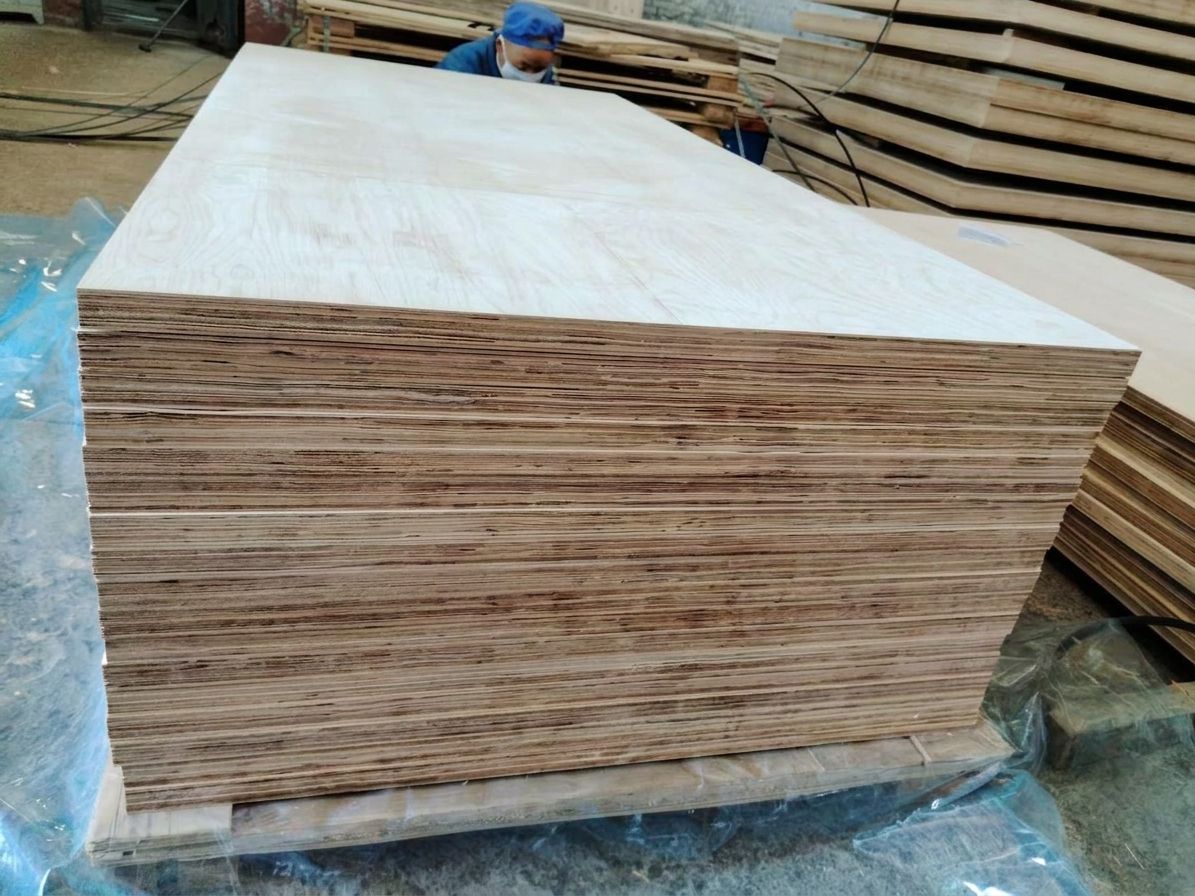
To ensure the quality of our laminated wood products, we conduct various tests. One common test is the water immersion test. In this test, a sample of the laminated wood is submerged in water for a specific period of time. After that, we check for any signs of delamination, swelling, or discoloration. If the sample passes the test, it means that the laminated wood has a good level of water - resistance.


We also perform moisture content tests. By measuring the moisture content of the laminated wood, we can determine how well it is able to resist water absorption. A lower moisture content indicates better water - resistance.
Tips for Maintaining Waterproof Laminated Wood
Even if you have high - quality waterproof laminated wood, proper maintenance is still important. Here are some tips:
- Regular Cleaning: Clean the laminated wood regularly to remove dirt and debris. This can prevent the build - up of moisture - attracting substances.
- Re - applying Finish: Over time, the surface finish of the laminated wood may wear off. Re - applying a sealant or finish every few years can help maintain its waterproofness.
- Avoiding Standing Water: Make sure that water doesn't pool on the surface of the laminated wood. For example, if it's used for a deck, ensure proper drainage.
About Weshare
Weshare is a trusted global provider of high-performance electrical insulation materials and specialized transformer components. We focus on supplying tailormade engineering solutions for power transformer manufacturers, switchgear builders, and power grid maintenance teams worldwide.
By combining premium raw materials, precise lamination processes, and rigorous quality control, Weshare empowers global energy infrastructure with reliable, durable, and cost-effective insulation technologies.
Featured Product Spotlight: Electrical Laminated Wood
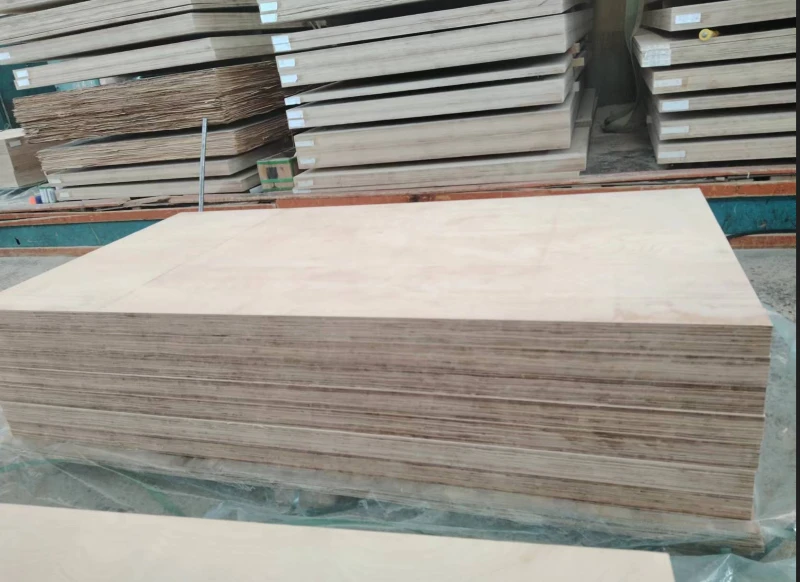
At Weshare, our Electrical Laminated Wood for Transformers is one of our flagship insulation solutions. Manufactured from high-density European beech or Russian birch veneers bonded with high-grade phenolic or epoxy resins under extreme heat and pressure, it delivers an optimal balance of dielectric strength, mechanical toughness, and environmental resistance.
Key Product Features & Technical Advantages
Exceptional Electrical & Mechanical Performance
High dielectric strength suitable for high-voltage oil-immersed transformers.
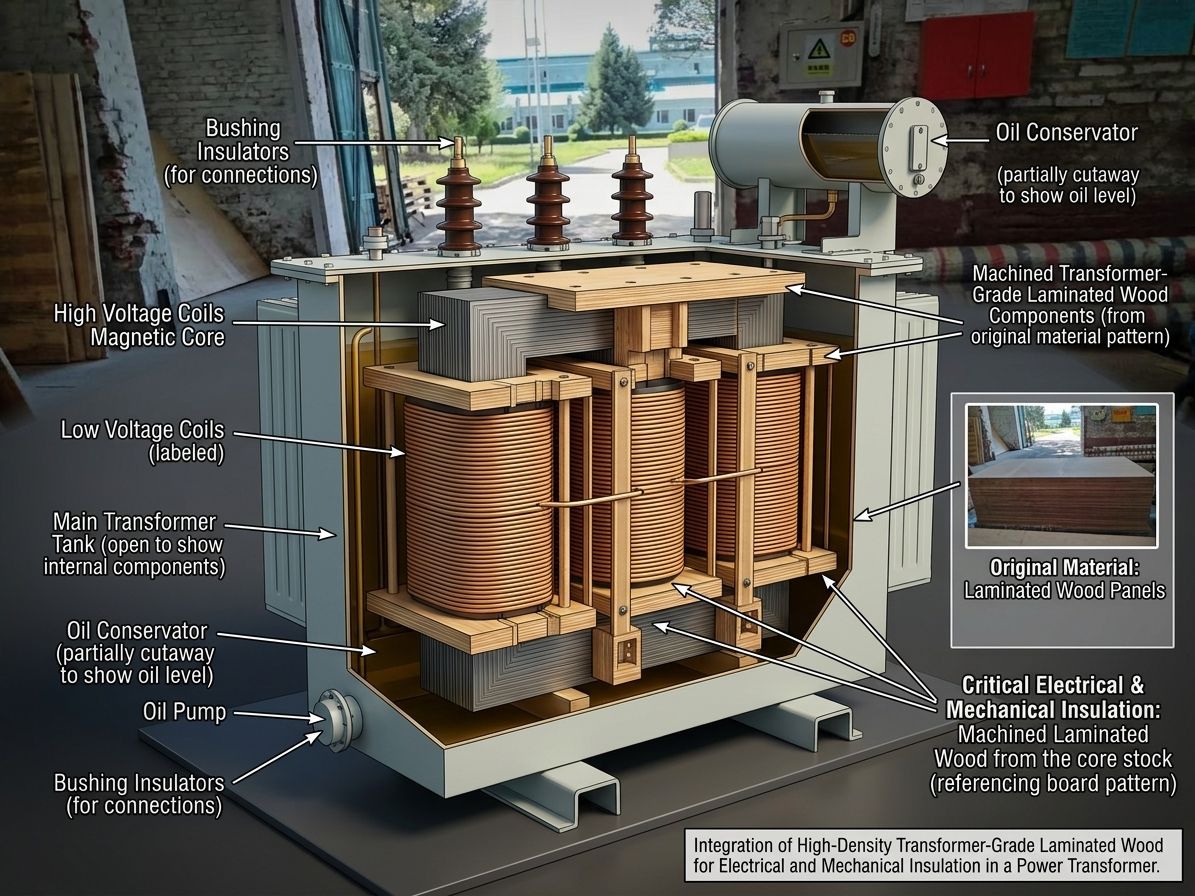
Outstanding tensile, bending, and compressive strength, making it an ideal choice for pressure plates, lead supports, yoke pads, and structural fasteners (bolts & nuts).
Superior Moisture Resistance & Stability
Built with hydrophobic phenolic resin systems and compressed high-density wood structures to prevent moisture absorption, ensuring dimension stability and long service life even in demanding operating environments.
Easy Machining & Customization
Excellent workability for turning, drilling, milling, and punching according to customer engineering drawings-perfect for custom components and mass production.
Cost-Effective & Eco-Friendly
Offers superior performance at a significantly lower cost compared to fully synthetic polymer substitutes, meeting international environmental guidelines (e.g., ROHS / REACH).
Product Applications
Our laminated wood components and insulation materials are widely used across core structural sections in power equipment, including:
Transformer Components: Upper/lower pressure plates, iron yoke pads, lead brackets, winding layer insulation, turn-to-turn insulation, and end insulation.
Insulation Fasteners: High-strength laminated wood studs, bolts, and nuts for non-metallic clamping in strong electromagnetic fields.
Why Choose Weshare?
Strict Quality Control: Every batch undergoes comprehensive testing for moisture content, dielectric strength, and mechanical limits.
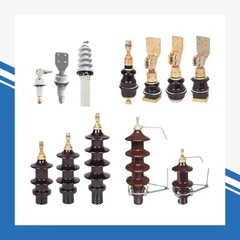
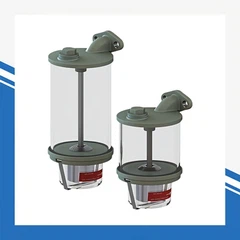
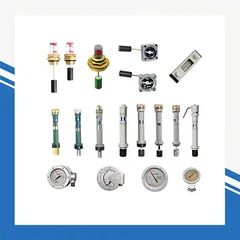
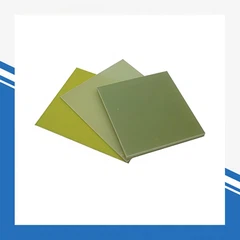
One-Stop Procurement Hub: In addition to laminated wood, Weshare provides a full suite of rigid laminates (FR4, G10, Phenolic sheets), insulation paper, mica products, and transformer safety accessories (Buchholz relays, breathers, oil gauges).
Global Logistics & Support: Fast sampling, custom packaging, and experienced export services tailored to overseas B2B buyers.
Conclusion
So, is laminated wood waterproof? Well, it depends. With the right combination of adhesive, wood species, and surface treatment, laminated wood can be made highly water - resistant. Whether it's for interior or exterior applications, there are options available to meet different waterproof requirements.
If you're in the market for laminated wood and have questions about its waterproofness or other properties, don't hesitate to reach out. We're here to help you find the best laminated wood products for your needs. Let's start a conversation about your project and see how we can provide the right solutions.
References
- Forest Products Laboratory. (2010). Wood Handbook: Wood as an Engineering Material. Madison, WI: U.S. Department of Agriculture, Forest Service.
- Simpson, W. T. (2017). Wood Technology: From Log to Lumber. Taylor & Francis.