








How to reduce the noise level of valve power transformers?
As a reputable valve power transformers supplier, I understand the challenges that come with high noise levels in these crucial electrical components. High noise from valve power transformers can cause various problems, including annoyance to nearby residents, potential damage to the ear and health issues, and in some cases, non - compliance with environmental noise regulations. In this blog, I will share some effective strategies to reduce the noise level of valve power transformers.
Understanding the sources of noise in valve power transformers
Before we delve into the solutions, it's essential to understand the sources of noise in valve power transformers. The main causes of noise in these transformers are:
- Magnetostriction: This is the main source of core noise. When the magnetic field in the transformer's core changes, the core material expands and contracts slightly. This mechanical deformation produces vibrations, which are then transmitted through the structure of the transformer and radiated as noise.
- Cooling fans and pumps: Transformers often use cooling fans and oil pumps to maintain an appropriate temperature. The mechanical operation of these components, including the rotation of fan blades and the movement of pump impellers, can generate audible noise.
- Electromagnetic forces: The interaction between the magnetic fields and the current - carrying conductors in the transformer can create electromagnetic forces. These forces can cause vibrations in the windings and other structural components, leading to noise.
Strategies to reduce the noise level
1. Core design and material selection
- High - quality core materials: Using high - quality grain - oriented electrical steel with low magnetostriction can significantly reduce core noise. These materials have better magnetic properties, which result in less mechanical deformation during the magnetization process. For example, some advanced electrical steels are designed to minimize the expansion and contraction of the core, thus reducing the noise generated by magnetostriction.
- Optimal core construction: The way the core is constructed also plays a crucial role in noise reduction. Using a stepped - lap core design can reduce the air - gaps between laminations. These air - gaps can cause additional magnetic flux leakage and vibrations, so minimizing them helps to lower the noise level.
2. Vibration isolation
- Mounting systems: Installing the transformer on vibration - isolating mounts can prevent the transmission of vibrations from the transformer to the surrounding structure. These mounts are typically made of rubber or other flexible materials that absorb and dampen the vibrations. For instance, anti - vibration pads can be placed between the transformer base and the supporting surface to isolate the mechanical vibrations from being transferred to the building floor.
- Internal component isolation: Inside the transformer, windings and other components should be properly isolated to reduce the transmission of vibrations. Using insulating materials with good vibration - damping properties between the windings and the core can help minimize the noise generated by the interaction between these components.
3. Cooling system optimization
- Efficient fan design: Selecting fans with a more aerodynamic design can reduce the noise generated by the cooling fans. Modern fans are designed to move air more efficiently with less turbulence, which translates into lower noise levels. Additionally, using variable - speed fans can adjust the fan speed according to the transformer's temperature requirements. When the temperature is lower, the fan can operate at a slower speed, producing less noise.
- Quiet pumps: Similar to fans, using oil pumps with low - noise operation characteristics is essential. Some pumps are designed with advanced impeller shapes and motor technologies to minimize the noise generated during the pumping process.
4. Enclosure design
- Sound - proof enclosures: Building a sound - proof enclosure around the transformer can effectively reduce the noise radiated into the environment. These enclosures are typically made of materials with high sound absorption coefficients, such as acoustic panels. The enclosure can be designed to fit the transformer snugly, with sealed joints to prevent noise leakage.
- Ventilation and heat dissipation: While a sound - proof enclosure reduces noise, it is also necessary to ensure proper ventilation and heat dissipation. Designing the enclosure with well - placed ventilation openings and using quiet ventilation fans can help maintain the transformer's temperature without sacrificing noise reduction.
The role of high - quality valves in noise reduction
Valves play an important role in valve power transformers. High - quality valves can contribute to noise reduction in the following ways:


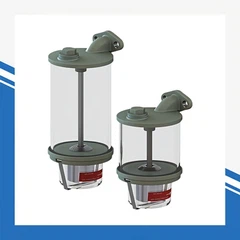
- Smooth oil flow: Valves such as the Valves for Oil - immersed Transformers ensure a smooth flow of insulating oil in the transformer. A smooth oil flow reduces the internal turbulence and pressure fluctuations, which can otherwise cause vibrations and noise.
- Precision control: Valve for transformer with high - precision control can help maintain stable operating conditions in the transformer. This stability reduces the chances of sudden changes in pressure or flow that could lead to noise - generating vibrations.
- Reliable sealing: Transformer Valve with good sealing performance prevents oil leakage and air ingress. Oil leakage can cause additional noise due to the splashing and dripping of oil, while air ingress can disrupt the normal operation of the transformer and lead to increased noise levels.
Monitoring and maintenance
Regular monitoring and maintenance are essential to ensure that the noise reduction measures are effective over time.
- Noise monitoring: Install noise sensors around the transformer to continuously monitor the noise level. By analyzing the noise data, it is possible to detect any abnormal increases in noise, which may indicate potential problems such as component failures or deteriorating insulation.
- Maintenance checks: Conduct regular maintenance checks on the transformer, including inspecting the core, windings, cooling system, and valves. Tightening loose connections, replacing worn - out components, and ensuring proper lubrication of moving parts can help maintain the transformer's performance and keep the noise level under control.
Conclusion
Reducing the noise level of valve power transformers requires a comprehensive approach that addresses the various sources of noise. By focusing on core design, vibration isolation, cooling system optimization, enclosure design, and using high - quality valves, it is possible to significantly reduce the noise generated by these transformers. As a valve power transformers supplier, we are committed to providing high - quality products and solutions to help our customers achieve lower noise levels in their electrical systems.
If you are interested in learning more about our valve power transformers or need assistance in reducing the noise level of your existing transformers, we welcome you to contact us for a procurement discussion. We have a team of experts who can provide you with customized solutions based on your specific requirements.
References
- Grover, P. D. (2007). Transformer Engineering: Design, Technology, and Diagnostics. CRC Press.
- Arrillaga, J., & Watson, N. R. (2003). Power System Harmonics: Fundamentals, Analysis and Filter Design. Wiley.
- Westinghouse Electric Corporation. (1992). Electrical Transmission and Distribution Reference Book. IEEE Press.