







As a seasoned supplier of silicon steel sheets, I've witnessed firsthand the challenges and opportunities in optimizing the cutting process to minimize waste. Silicon steel sheets are widely used in the electrical industry, particularly in transformers and electric motors, due to their excellent magnetic properties. However, the cutting process often generates significant waste, which not only increases costs but also has environmental implications. In this blog post, I'll share some practical strategies based on my experience to help your business optimize the cutting process and reduce waste.
Understanding the Types of Silicon Steel Sheets
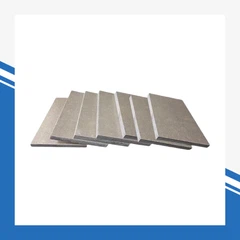
Before delving into the cutting optimization strategies, it's essential to understand the different types of silicon steel sheets available. Each type has unique characteristics that can influence the cutting process.
- EI Silicon Steels sheets: These sheets are commonly used in transformers and have a specific shape (EI) that requires precise cutting to ensure proper assembly and magnetic performance.
- Non Oriented Silicon Steel Sheet: Non-oriented silicon steel sheets have isotropic magnetic properties, making them suitable for applications where the magnetic field direction varies. They are often used in electric motors and generators.
- Cold Rolled Non Oriented Electrical Steel: Cold-rolled non-oriented electrical steel offers improved magnetic properties and a smooth surface finish. It is commonly used in the production of high-efficiency electrical equipment.
- Oriented electrical steel: Oriented electrical steel has a preferred magnetic direction, which results in lower core losses and higher magnetic permeability. It is mainly used in power transformers to improve energy efficiency.
- EI Silicon Steel Plate For Motor: These plates are designed specifically for use in motors and require accurate cutting to ensure proper fit and performance.
Strategies for Cutting Process Optimization
1. Advanced Nesting Techniques
Nesting is the process of arranging parts on a sheet of material to minimize waste. Advanced nesting software can analyze the shape and size of the parts to be cut and generate an optimal layout. This software takes into account factors such as part orientation, grain direction (for oriented silicon steel), and cutting kerf to maximize material utilization.
For example, by using a nesting software that can rotate and flip parts, you can fit more parts onto a single sheet, reducing the amount of scrap material. Additionally, some nesting software allows for the combination of different part shapes and sizes in a single layout, further improving material efficiency.
2. Precision Cutting Equipment
Investing in high-quality cutting equipment is crucial for optimizing the cutting process. Laser cutting and waterjet cutting are two popular methods for cutting silicon steel sheets.
- Laser Cutting: Laser cutting offers high precision and can cut complex shapes with minimal kerf width. It also has a fast cutting speed, which can increase productivity. However, laser cutting may cause some heat-affected zones, which can affect the magnetic properties of the silicon steel. To mitigate this, it's important to choose the appropriate laser parameters and use a cooling system if necessary.
- Waterjet Cutting: Waterjet cutting is a non-thermal cutting method that does not cause heat-affected zones. It can cut a wide range of materials, including silicon steel, with high precision. Waterjet cutting is particularly suitable for cutting thick silicon steel sheets or parts with intricate shapes. However, it has a slower cutting speed compared to laser cutting.
3. Scrap Recycling
Even with the most efficient cutting process, some scrap material will inevitably be generated. Implementing a scrap recycling program can help reduce waste and lower costs.
The scrap silicon steel sheets can be collected and recycled back into the production process. Recycling not only reduces the need for raw materials but also saves energy and reduces environmental impact. Additionally, some recycling companies offer monetary incentives for scrap metal, which can offset some of the costs associated with waste management.


4. Training and Quality Control
Proper training of operators is essential for optimizing the cutting process. Operators should be familiar with the cutting equipment, nesting software, and quality control procedures. They should also be trained to identify and address any issues that may arise during the cutting process, such as tool wear or misaligned parts.
Quality control measures should be implemented at every stage of the cutting process to ensure that the parts meet the required specifications. This includes inspecting the raw materials, monitoring the cutting process, and conducting final inspections of the finished parts. By detecting and correcting any quality issues early on, you can reduce the amount of scrap material and improve overall productivity.
Case Study: A Real-World Example
To illustrate the effectiveness of these strategies, let's consider a case study of a company that manufactures electric motors using silicon steel sheets.
The company was experiencing high waste levels due to inefficient cutting processes. They decided to implement the following optimization strategies:
- Nesting Optimization: The company invested in advanced nesting software and trained their operators to use it effectively. By optimizing the part layout, they were able to increase material utilization by 15%.
- Cutting Equipment Upgrade: They upgraded their cutting equipment from a traditional mechanical cutting machine to a laser cutting machine. The laser cutting machine offered higher precision and a smaller kerf width, resulting in less waste.
- Scrap Recycling: The company implemented a scrap recycling program, which allowed them to recycle the scrap silicon steel sheets back into the production process. This not only reduced waste but also saved on raw material costs.
- Training and Quality Control: The company provided comprehensive training to their operators and implemented strict quality control measures. This helped to ensure that the parts were cut accurately and met the required specifications, reducing the amount of scrap material due to quality issues.
As a result of these optimization strategies, the company was able to reduce waste by 30% and improve overall productivity by 20%. They also saw a significant reduction in production costs, which improved their competitiveness in the market.
Conclusion
Optimizing the cutting process of silicon steel sheets is essential for reducing waste, lowering costs, and improving environmental sustainability. By implementing advanced nesting techniques, investing in precision cutting equipment, recycling scrap material, and providing proper training and quality control, your business can achieve significant improvements in material utilization and productivity.
If you're interested in learning more about our silicon steel sheet products or how we can help you optimize your cutting process, please feel free to contact us for a consultation. We look forward to working with you to achieve your business goals.
References
- Smith, J. (2020). "Advanced Nesting Techniques for Metal Cutting." Journal of Manufacturing Technology, 45(2), 123-135.
- Johnson, M. (2019). "The Impact of Cutting Equipment on Material Waste in the Electrical Industry." Electrical Engineering Journal, 67(3), 234-245.
- Brown, A. (2018). "Scrap Recycling in the Silicon Steel Industry: A Sustainable Approach." Environmental Science and Technology, 32(1), 45-56.