










As a trusted supplier of transformer accessories, I'm often asked about the inner workings of various components, and one question that frequently comes up is: How does a transformer oil sampler work? In this blog post, I'll delve into the details of this essential device, explaining its function, operation, and importance in maintaining the health of transformers.
The Role of Transformer Oil
Before we discuss the oil sampler, it's important to understand the role of transformer oil. Transformer oil serves several crucial functions in a transformer. Firstly, it acts as an insulator, preventing electrical breakdown between the various components of the transformer. Secondly, it helps to dissipate heat generated by the transformer, ensuring that it operates within a safe temperature range. Additionally, the oil can absorb and neutralize any acidic by - products that may form during the operation of the transformer, thus protecting the internal components from corrosion.
Why Do We Need a Transformer Oil Sampler?
Regularly sampling the transformer oil is vital for monitoring the condition of the transformer. By analyzing the oil, we can detect early signs of problems such as overheating, arcing, or the presence of contaminants. This proactive approach allows for timely maintenance and can prevent costly breakdowns. A transformer oil sampler provides a convenient and safe way to obtain a representative sample of the oil for analysis.
How a Transformer Oil Sampler Works
1. Design and Components
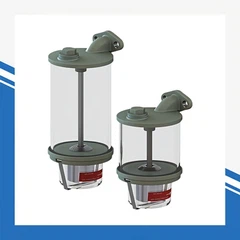
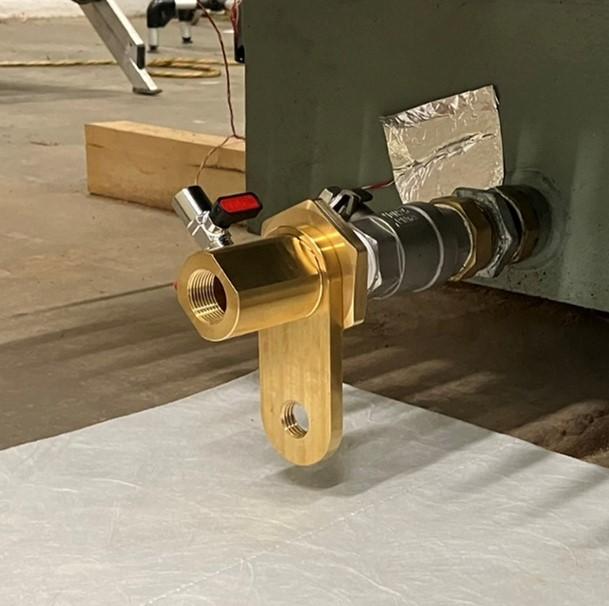
A typical transformer oil sampler consists of several key components. The main body of the sampler is usually made of a durable material such as stainless steel or high - quality plastic. It has an inlet valve that is connected to the transformer's oil reservoir. This valve can be opened to allow oil to flow into the sampler.
1.1 Technical Working Principle & Core Components
Elaborate on the physics and mechanical design of a transformer oil sampler (e.g., syringe samplers or bottom-sampling cylinders):
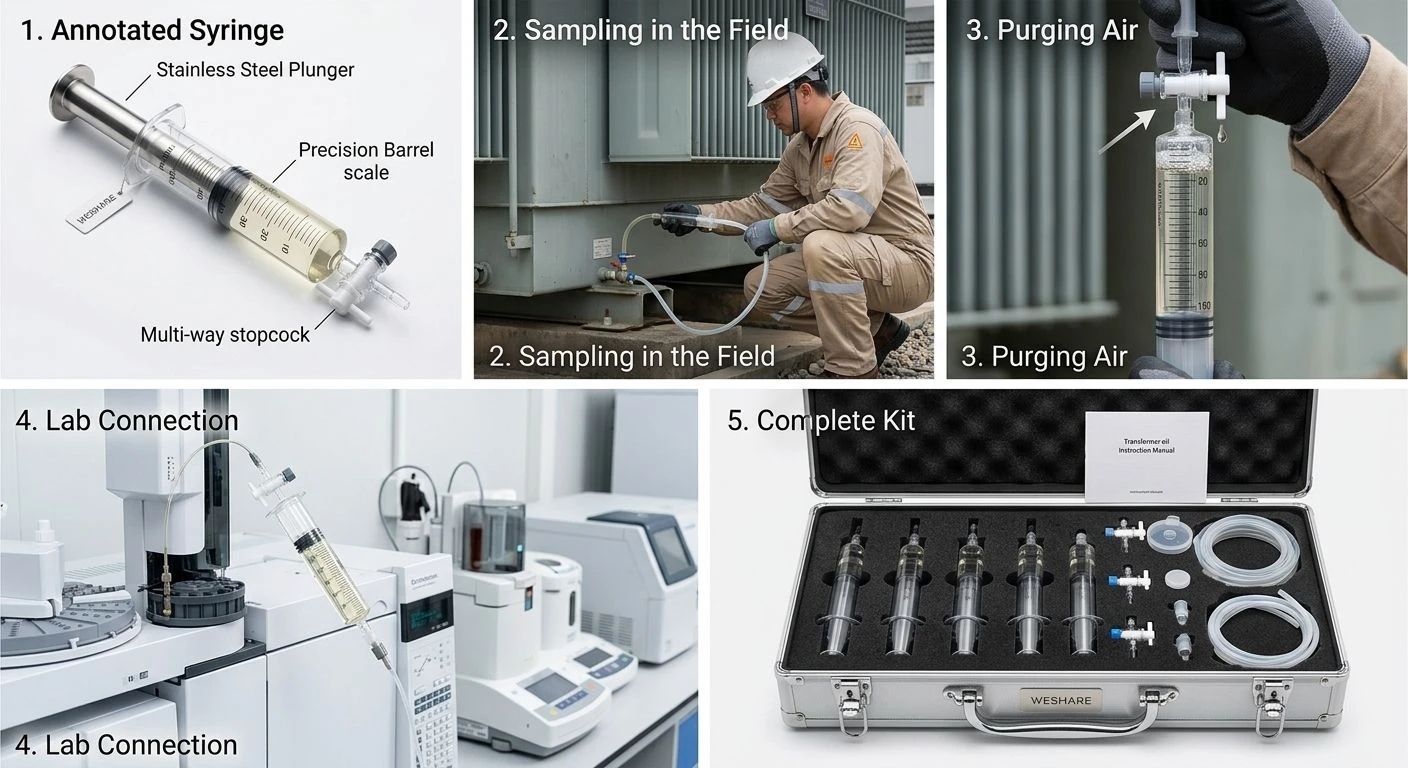
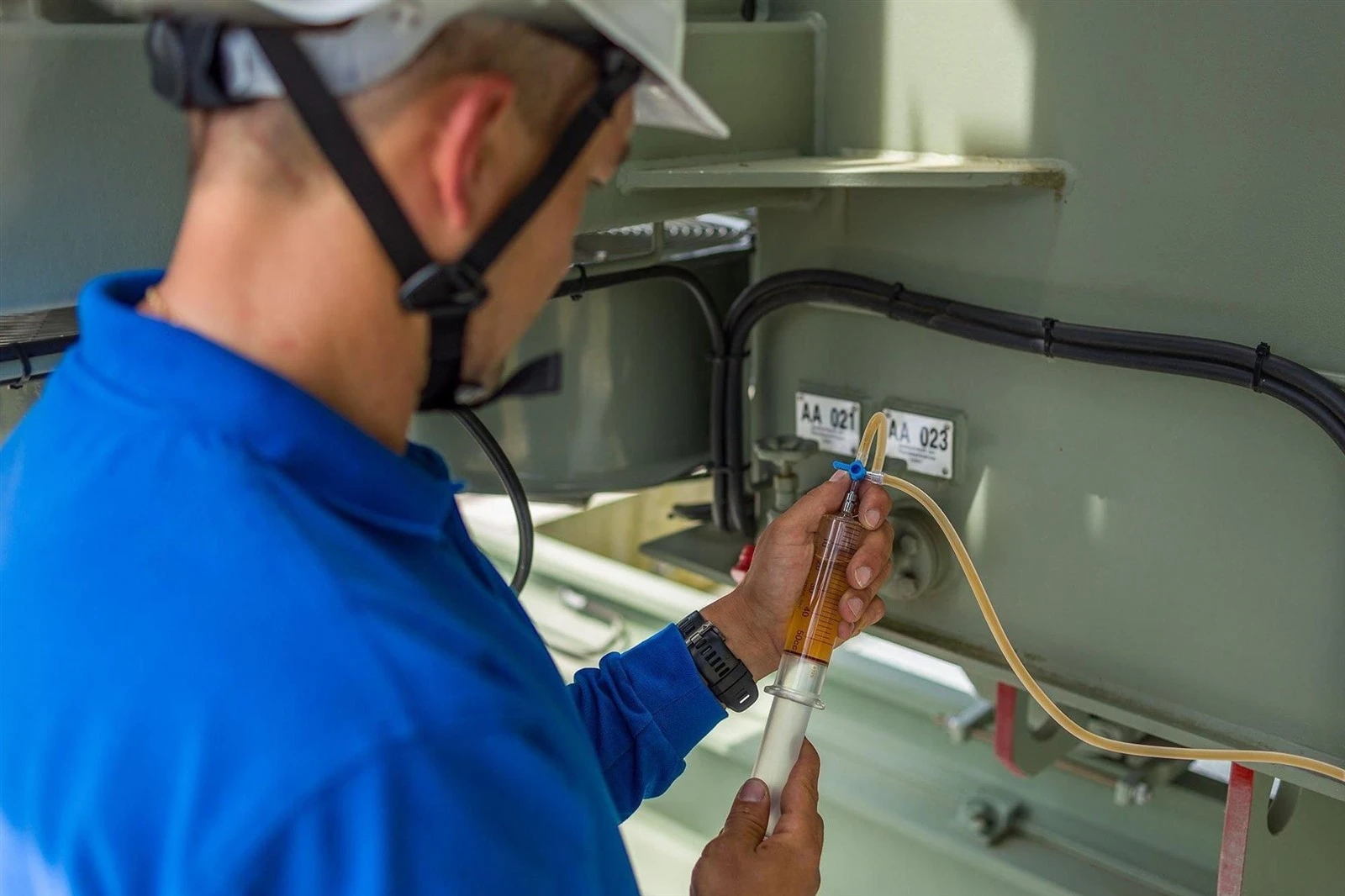
Zero-Air Intrusion Principle: Explain how glass/metal syringes create a hermetic vacuum seal using three-way stopcocks, preventing ambient moisture and atmospheric gases from contaminating the sample.
Component Breakdown: Describe key parts such as the glass/stainless-steel cylinder, Teflon plunger, three-way valve, silicone tubing, and protective transport casing.
There is also a sampling chamber within the sampler. This chamber is designed to collect a specific volume of oil. The size of the chamber can vary depending on the requirements of the oil analysis.
In addition, there is an outlet valve that is used to release the oil sample once it has been collected. Some samplers may also be equipped with a pressure - regulating mechanism to ensure that the oil is drawn into the sampler at a controlled rate.
2. Sampling Process
Provide field engineers and technicians with a clear 4-step workflow:
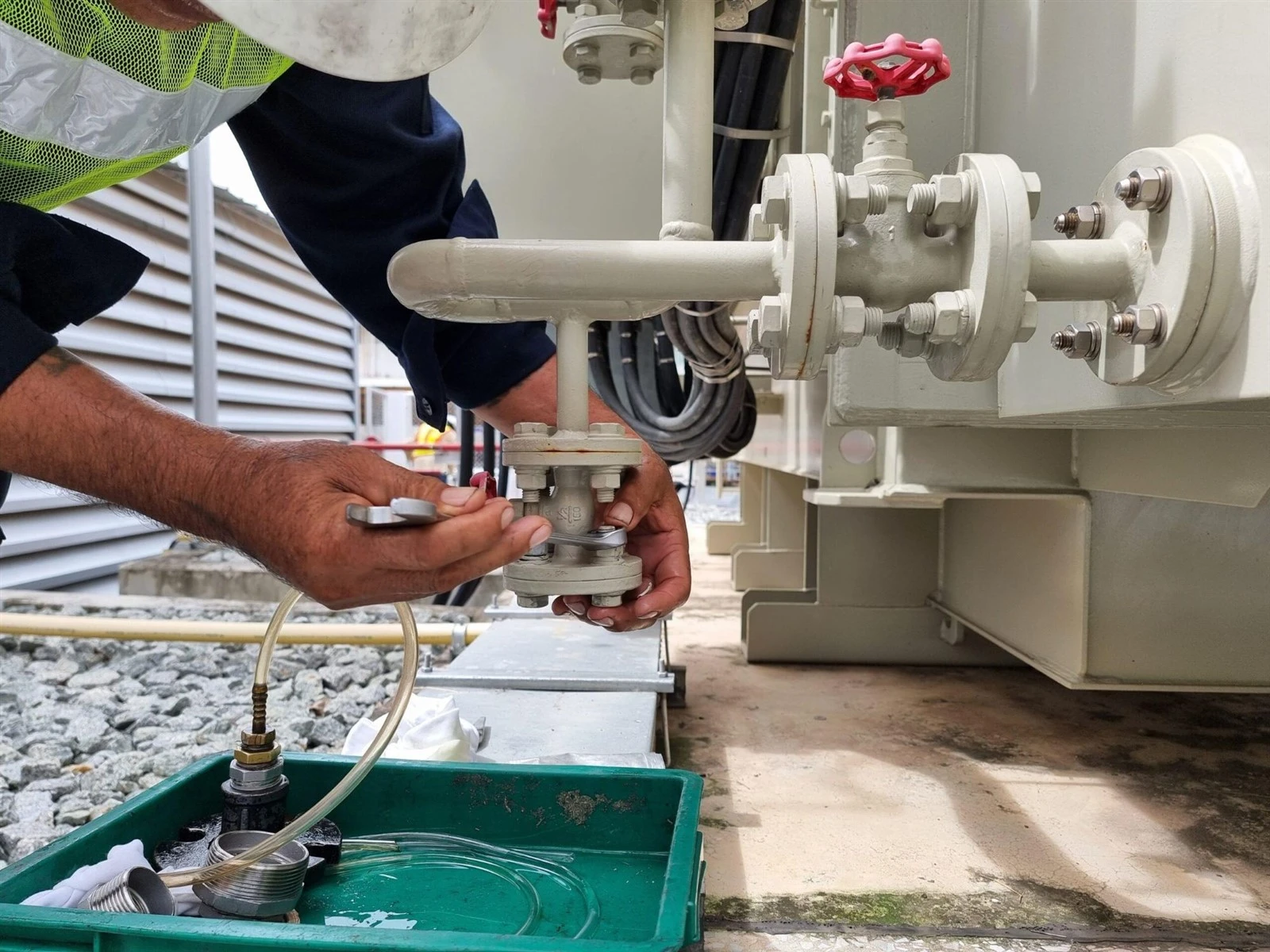
Step 2.1: Preparation & Flushing: Drain and flush 1–2 liters of stagnant oil from the sampling valve to clear sediment and moisture before collecting the active sample.
Step 2.2: Bubble-Free Extraction: Connect the sampler securely using flexible silicone tubing and slowly draw the oil to avoid cavitations or micro-bubbles.
Step 2.3: Sealing & Purging Air: Invert the syringe to vent any residual air bubbles through the 3-way valve, ensuring 100% liquid phase integrity.
Step 2.4: Identification & Transport: Seal immediately and tag with crucial metadata (Transformer ID, Oil Temp, Ambient Humidity, Date).
The sampling process begins by connecting the oil sampler to the transformer's oil sampling port. This port is typically located at a strategic position on the transformer to ensure that the sample obtained is representative of the overall oil condition.
Once the sampler is properly connected, the inlet valve is opened. The oil, under the pressure within the transformer, flows into the sampling chamber. The rate of flow can be adjusted using the pressure - regulating mechanism if necessary.
As the oil fills the sampling chamber, air is displaced through a vent. Once the chamber is filled to the desired level, the inlet valve is closed.
To obtain the sample, the outlet valve is opened, and the oil is transferred into a clean container for analysis. It's important to ensure that the container is properly labeled with details such as the transformer ID, sampling date, and time.
3. Key Applications & Laboratory Diagnostic Tests
Dissolved Gas Analysis (DGA) (IEC 60567 / ASTM D3612): Identifies fault gases (hydrogen, methane, acetylene) indicating arcing, partial discharge, or thermal degradation.
Moisture Analysis (Karl Fischer Titration - IEC 60814): Measures micro-water content (ppm) affecting insulation breakdown voltage.
Breakdown Voltage (BDV) Test (IEC 60156): Evaluates the dielectric strength of the insulating fluid.
4. International Standards Compliance & Best Practices
Mention compliance with industry benchmarks like IEC 60567 (Oil-filled electrical equipment - Sampling of gases and analysis of free and dissolved gases) and ASTM D923 (Standard Practices for Sampling Electrical Insulating Liquids) to build trust with international clients.
Importance of Proper Sampling
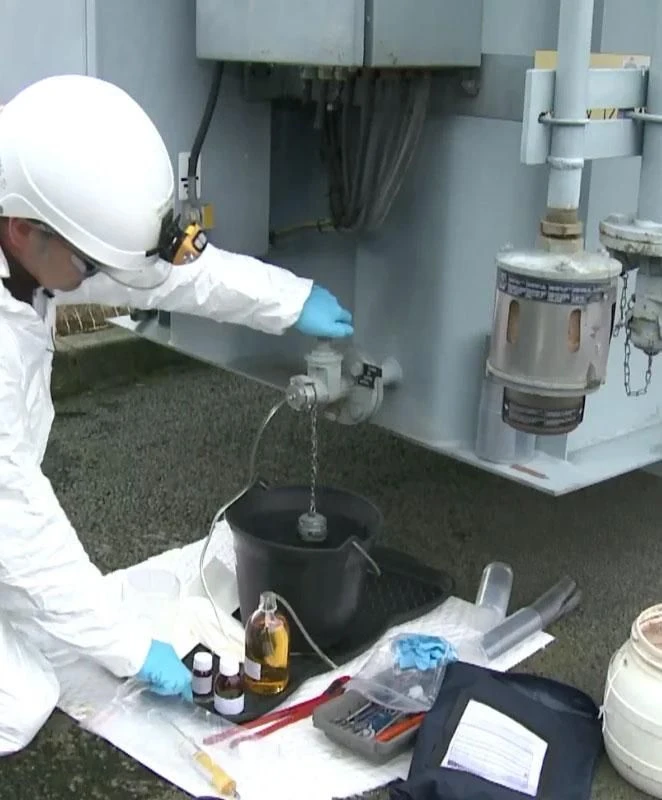
Proper sampling is crucial for accurate oil analysis. If the sample is not representative, the analysis results may be misleading, leading to incorrect decisions about the transformer's condition. For example, if the sample is taken from a location where there is a high concentration of sediment or contaminants, it may give a false impression of the overall oil quality.
To ensure proper sampling, it's important to follow a standardized procedure. This includes cleaning the sampling port before taking the sample, using clean sampling equipment, and taking multiple samples if necessary.
Related Transformer Accessories
In addition to the transformer oil sampler, there are other important transformer accessories that play a role in the proper operation and maintenance of transformers. For example, Bimetal Cable Lugs are used to connect cables to the transformer terminals. These lugs are designed to provide a secure and reliable electrical connection, ensuring that the power is transmitted efficiently.
Another important accessory is the Transformer Oil Drain Valve. This valve is used to drain the oil from the transformer during maintenance or in case of an emergency. It allows for the safe and controlled removal of the oil.
The Transformer wheel is also an important component. It enables the transformer to be easily moved and positioned, which is useful during installation, maintenance, or relocation.
Contact for Procurement
If you're in the market for transformer accessories, including oil samplers, bimetal cable lugs, oil drain valves, or transformer wheels, we're here to help. Our team of experts can provide you with detailed information about our products, assist you in selecting the right accessories for your specific needs, and offer competitive pricing. We understand the importance of high - quality transformer accessories in ensuring the reliable operation of your transformers. So, don't hesitate to reach out to us for procurement and further discussions.
References
- "Transformer Maintenance Guide", Electrical Equipment Maintenance Handbook
- "Analysis of Transformer Oil", Journal of Electrical Engineering and Technology