







In the realm of electrical engineering, mains transformers for valve play a pivotal role in ensuring the efficient and reliable operation of various electrical systems. As a dedicated supplier of mains transformers for valve, I've witnessed firsthand the remarkable impact of the latest technologies on the performance of these crucial components. In this blog post, I'll delve into how these cutting - edge technologies are revolutionizing the field and enhancing the performance of mains transformers for valve.
Advanced Core Materials
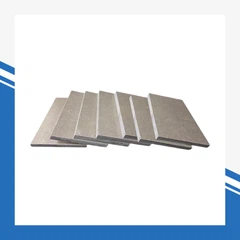
One of the most significant technological advancements in mains transformers for valve is the use of advanced core materials. Traditional transformer cores were often made of silicon steel, which had limitations in terms of energy loss and magnetic properties. However, modern transformers are increasingly utilizing amorphous metal cores.
Amorphous metal has a disordered atomic structure, which results in significantly lower core losses compared to silicon steel. This means that less energy is wasted as heat during the operation of the transformer. For valve - related applications, where energy efficiency is of utmost importance, this reduction in core losses can lead to substantial cost savings over the long term. Additionally, amorphous metal cores offer better magnetic properties, such as higher permeability, which allows for more efficient transfer of magnetic flux. This, in turn, improves the overall performance of the transformer by reducing leakage flux and increasing the power transfer capacity.
Computational Fluid Dynamics (CFD) for Cooling Design
Cooling is a critical aspect of mains transformer performance, especially for those used in valve applications. Overheating can lead to premature failure of the transformer and affect the operation of the valve system. The latest technology in cooling design involves the use of Computational Fluid Dynamics (CFD).
CFD is a powerful tool that allows engineers to simulate the flow of coolant (such as oil or air) within the transformer. By accurately modeling the fluid flow, temperature distribution, and heat transfer, engineers can optimize the cooling system design. For example, CFD can be used to determine the best placement of cooling fins, the optimal flow rate of coolant, and the most effective design of the cooling channels. This results in a more efficient cooling system that can maintain the transformer at a lower and more stable temperature, thereby improving its performance and reliability.
Digital Monitoring and Control Systems
The integration of digital monitoring and control systems is another game - changer in the performance of mains transformers for valve. These systems use sensors to collect real - time data on various parameters such as temperature, voltage, current, and insulation resistance.
The data collected by these sensors is then analyzed by sophisticated software algorithms. This allows for early detection of potential problems, such as overheating, abnormal electrical currents, or insulation degradation. Once a problem is detected, the control system can take appropriate actions, such as adjusting the load, activating additional cooling, or sending an alarm to the maintenance team. This proactive approach to maintenance can prevent costly breakdowns and extend the lifespan of the transformer.
In addition, digital monitoring and control systems can provide valuable insights into the operation of the transformer. By analyzing historical data, engineers can identify trends and patterns, which can be used to optimize the performance of the transformer over time. For example, they can adjust the operating parameters to improve energy efficiency or increase the power output.
Smart Winding Technologies
Smart winding technologies are also contributing to the improved performance of mains transformers for valve. These technologies involve the use of advanced winding techniques and materials to reduce winding losses and improve the electrical characteristics of the transformer.
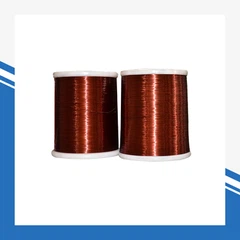
One such technology is the use of high - conductivity materials for the windings. Copper and aluminum are commonly used, but new alloys with even higher conductivity are being developed. These materials can reduce the resistance of the windings, which in turn reduces the power losses due to Joule heating.
Another aspect of smart winding technologies is the use of advanced winding configurations. For example, multi - layer winding techniques can be used to reduce the leakage inductance and improve the coupling between the primary and secondary windings. This results in a more efficient transfer of electrical energy and a better overall performance of the transformer.
Impact on Valve Applications
The improved performance of mains transformers for valve has a direct impact on valve applications. Valves are often used in critical electrical systems, such as power distribution networks and industrial control systems. A reliable and efficient transformer is essential for the proper operation of these valves.
With the use of advanced core materials, better cooling systems, digital monitoring, and smart winding technologies, the transformer can provide a more stable and consistent power supply to the valve. This reduces the risk of valve malfunctions, such as improper opening or closing, which can lead to system failures.
For example, in a power distribution network, a well - performing transformer can ensure that the valves controlling the flow of electricity operate smoothly. This helps to maintain the stability of the grid and prevent power outages. In an industrial control system, a reliable transformer can ensure that the valves controlling the flow of fluids or gases operate accurately, which is crucial for the safety and efficiency of the production process.
Product Offerings
As a supplier of mains transformers for valve, we are at the forefront of incorporating these latest technologies into our products. Our transformers are designed with advanced core materials to minimize energy losses and improve magnetic performance. We use CFD - optimized cooling systems to ensure that our transformers operate at optimal temperatures.
Our digital monitoring and control systems provide real - time data on the performance of the transformer, allowing for proactive maintenance. And our smart winding technologies ensure efficient power transfer and reliable operation.
In addition to our standard product offerings, we also provide customized solutions to meet the specific needs of our customers. Whether it's a unique valve application or a specific performance requirement, our team of engineers can design and manufacture a transformer that meets your exact specifications.
Related Products
We also offer a range of related products that can enhance the performance of your mains transformers for valve. For example, we have Transformer ball valve, which are designed to control the flow of coolant in the transformer cooling system. These valves are made of high - quality materials and are engineered for reliable operation.
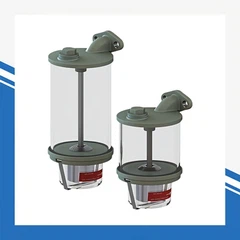
Our Pressure Relief Valve for Transformer are essential for protecting the transformer from over - pressure situations. They are designed to open automatically when the pressure inside the transformer exceeds a certain limit, preventing damage to the transformer.
And our Transformer butterfly valves are used for regulating the flow of fluids in the transformer system. They offer precise control and are easy to operate.


Contact for Purchase and Discussion
If you are in the market for high - performance mains transformers for valve or any of our related products, we invite you to contact us for a detailed discussion. Our team of experts is ready to assist you in selecting the right product for your specific needs. We can provide you with technical specifications, pricing information, and any other details you may require. Whether you are a small business or a large industrial enterprise, we are committed to providing you with the best products and services.
References
- Grover, F. W. (1946). Inductance Calculations: Working Formulas and Tables. Dover Publications.
- Chapman, S. J. (2012). Electric Machinery Fundamentals. McGraw - Hill.
- Dorf, R. C., & Bishop, R. H. (2016). Modern Control Systems. Pearson.