






Hey there, everyone! As a supplier of transformer cores, I've been getting tons of questions lately about the hierarchical structure in the Transformer core. So, I thought I'd write this blog to share my thoughts and shed some light on this fascinating topic.
First off, let me give you a quick rundown of what a Transformer core is. In simple terms, a transformer core is a crucial part of a transformer, which is a device that transfers electrical energy between two or more circuits through electromagnetic induction. The core provides a low - reluctance path for the magnetic flux, which helps in efficient energy transfer.
Now, let's dig into the hierarchical structure. The hierarchical structure in a Transformer core plays a multi - faceted role, and it's super important for the overall performance of the transformer.
1. Magnetic Flux Management
One of the primary roles of the hierarchical structure is to manage magnetic flux effectively. A well - designed hierarchical structure can help in concentrating the magnetic flux within the core. This is because different layers and components of the hierarchy are engineered to have specific magnetic properties.


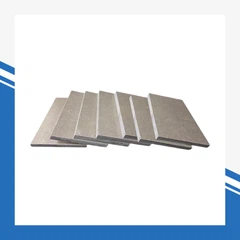
For example, in Dry type transformer core, the silicon - electrical steel sheets are arranged in a hierarchical manner. The orientation of these sheets is carefully planned to ensure that the magnetic flux can flow smoothly through the core. When the magnetic flux is managed well, it reduces leakage flux, which means less energy is wasted. This is crucial for improving the efficiency of the transformer.
2. Reducing Eddy Current Losses
Eddy currents are loops of electrical current induced within conductors by a changing magnetic field. In a transformer core, these eddy currents can cause significant energy losses in the form of heat. The hierarchical structure helps in reducing these losses.
The core is often made up of thin layers of magnetic material, which are insulated from each other. This insulation breaks up the paths of the eddy currents, making it harder for them to flow. For instance, in Oil immersed transformer Silicon steel Plate, the silicon steel plates are stacked in a hierarchical way with thin insulating layers between them. This setup effectively reduces the eddy current losses, allowing the transformer to operate more efficiently.
3. Enhancing Mechanical Stability
The hierarchical structure also contributes to the mechanical stability of the transformer core. The core has to withstand various mechanical stresses during its operation, such as vibrations and impacts. By having a well - defined hierarchical arrangement, the different components of the core support and reinforce each other.
For example, the outermost layers of the core can be designed to provide protection and structural integrity to the inner layers. The layers are arranged in a way that distributes the mechanical stress evenly across the core. This helps in preventing damage to the core and ensures a longer lifespan for the transformer.
4. Facilitating Heat Dissipation
Heat is generated in the transformer core due to various losses such as eddy current losses and hysteresis losses. The hierarchical structure helps in dissipating this heat effectively.
The layers of the core are arranged in a way that allows for better air or fluid circulation (depending on whether it's a dry - type or oil - immersed transformer). In a dry - type transformer, the hierarchical arrangement of the core components creates channels for air to flow through, carrying away the heat. Similarly, in an oil - immersed transformer, the structure allows the oil to circulate around the core, transferring the heat to the cooling system.
5. Customization for Different Applications
The hierarchical structure in a Transformer core allows for customization based on different applications. Different industries and electrical systems have varying requirements in terms of voltage, power, and efficiency.
For example, in high - voltage power transmission applications, the core may need to be designed with a specific hierarchical structure to handle high magnetic fluxes and reduce losses. On the other hand, in low - power electronic devices, the core can be optimized for size and cost while still maintaining an acceptable level of performance. Amorphous Metal Core is a great option for some specialized applications. Its unique hierarchical structure of amorphous metal layers offers extremely low core losses, making it ideal for high - efficiency transformers in certain scenarios.
Why Choose Our Transformer Cores?
At our company, we understand the importance of the hierarchical structure in Transformer cores. Our team of experts has years of experience in designing and manufacturing transformer cores with optimized hierarchical structures.
We use the latest technology and high - quality materials to ensure that our cores offer excellent magnetic flux management, low eddy current losses, high mechanical stability, efficient heat dissipation, and can be customized to meet your specific needs. Whether you're looking for a Dry type transformer core, Oil immersed transformer Silicon steel Plate, or Amorphous Metal Core, we've got you covered.
If you're in the market for a reliable and high - performance transformer core, we'd love to have a chat with you. Contact us for a detailed discussion about your requirements, and we'll work with you to find the perfect solution for your project.
References
- "Transformer Engineering: Design, Technology, and Diagnostics" by J. Arrillaga, N. R. Watson, and J. S. Booth
- "Power Transformers: Principles and Applications" by George E. McPherson and Robert D. Laramore